Trump's Iran Policy: Ego, Public Opinion, and the Future of US-Iran Relations
Was Trump's Iran policy driven by ego rather than strategy? Explore the motivations, public opinion, and potential future of US-Iran relations in this analysis.
Trump's Iran Policy: Was Ego Driving Decisions?
The US relationship with Iran has been a volatile and complex issue for decades. But under the Trump administration, tensions reached a fever pitch. Questions are now being raised about whether strategic interests guided policy or if personal factors, like President Trump's ego, played an outsized role in prolonging conflict and hindering de-escalation. This article delves into the complexities of this situation, examining public sentiment, expert opinions, and the potential long-term implications for the region.
The Question of Motivation
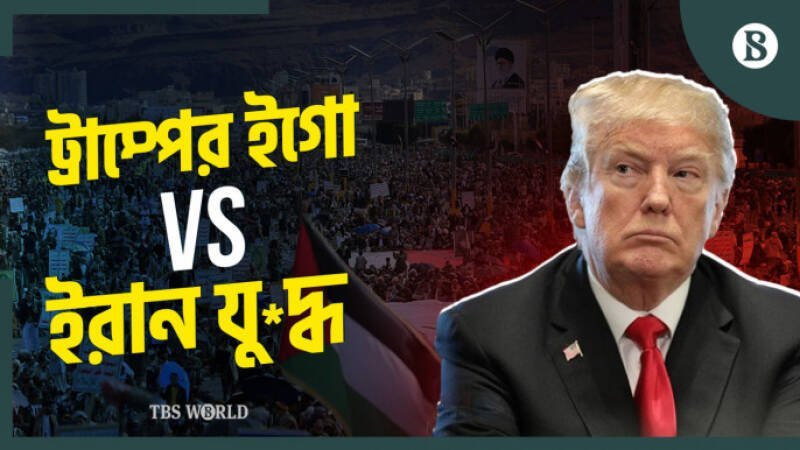
Many wars in US history have been fought for strategic reasons: access to resources, geopolitical influence, or national security. However, some observers argue that the continued hostility toward Iran under Trump went beyond traditional strategic calculations. The central question is: Did the pursuit of perceived personal victories and the avoidance of appearing weak ultimately override sound strategic decision-making? Was the Iran War not being stopped because of Trump's arrogance?
The news at the time suggested that the majority of the US population was against continuing conflict. Even within his own party, voices grew louder, denouncing what they termed a "permanent war." Despite this widespread disapproval, the Trump administration appeared resolute in its confrontational approach.
Why This News Matters
The implications of this situation extend far beyond political debate. A foreign policy driven by personal ego can lead to:
* **Miscalculated risks:** Decisions based on pride rather than sound judgment can escalate conflicts unnecessarily.
* **Erosion of international trust:** Unpredictable and erratic foreign policy damages relationships with allies and adversaries alike.
* **Long-term instability:** A focus on short-term wins can create lasting instability in already fragile regions.
* **Waste of resources:** Prolonged conflicts divert resources that could be used for domestic priorities.
Our Analysis
In our opinion, the situation with Iran during Trump's presidency presented a complex interplay of factors. It's difficult to definitively state that ego was the *sole* driving force. However, there's certainly evidence to suggest it played a significant role.
* **Breaking with the Obama-era nuclear deal:** Scrapping the Joint Comprehensive Plan of Action (JCPOA) was seen by many as a rejection of his predecessor's legacy, a move seemingly driven by personal disdain rather than a clear strategic advantage.
* **Escalatory Rhetoric:** President Trump's frequent use of aggressive language and threats against Iran contributed to a climate of heightened tension.
* **Ignoring Expert Advice:** Reports suggested that the administration often disregarded advice from career diplomats and intelligence officials who cautioned against aggressive policies.
This could impact how future presidents craft foreign policy. A lesson learned could be to listen to expert advice and prioritize national interests over personal gains.
Future Outlook
The Biden administration has attempted to revive the JCPOA and de-escalate tensions with Iran. However, the legacy of the Trump years continues to cast a shadow over US-Iran relations. The level of distrust built up on both sides, coupled with regional complexities, presents significant challenges.
* **JCPOA Revival:** Reaching a new agreement will require significant concessions from both sides. The failure to do so could lead to further instability.
* **Regional Dynamics:** Iran's activities in the region, particularly its support for proxy groups, will continue to be a major point of contention.
* **Domestic Politics:** Domestic political pressures in both the US and Iran could hinder efforts at diplomacy.
The future of US-Iran relations remains uncertain. Successful de-escalation will require a commitment to diplomacy, a willingness to compromise, and a recognition of the long-term consequences of continued conflict. The need to be more strategic and less emotionally based has perhaps never been more important.