Trump Administration Targets Federal Lands Management Again: What It Means For You
The Trump administration is reportedly planning further budget cuts and staff reductions for federal lands management agencies in 2026. Here's what that could mean for conservation, recreation, and the economy.
Trump Administration Targets Federal Lands Management Again: What It Means For You
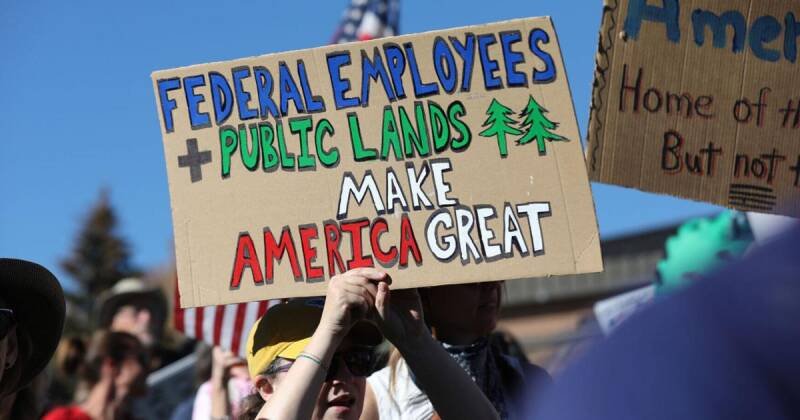
Reports are surfacing that the Trump administration is once again considering significant changes to the management of federal public lands, potentially starting in 2026. These changes reportedly include budget cuts, staff relocations, and a move towards "skeleton staffing" for key agencies responsible for overseeing these vital natural resources. This isn't the first time the administration has taken aim at these agencies, and it raises serious questions about the future of conservation, recreation, and resource management on millions of acres of public land.
What's Being Proposed?
While official details are still emerging, the reports suggest a multi-pronged approach:
- Budget Cuts: Reducing funding for agencies like the Bureau of Land Management (BLM) and the Forest Service, limiting their ability to maintain trails, manage wildlife, and respond to wildfires.
- Staff Relocations: Moving personnel away from key regions and potentially disrupting established expertise and on-the-ground knowledge.
- Skeleton Staffing: Reducing staff levels to a bare minimum, potentially hindering the agencies' ability to fulfill their mandated duties.
This isn't just about numbers on a spreadsheet; these proposed changes have real-world implications for the environment and the public.
Why This News Matters
Federal lands encompass vast areas of the United States, providing critical habitats for wildlife, offering recreational opportunities for millions, and contributing significantly to local economies. The BLM and Forest Service are responsible for managing these lands sustainably, balancing competing interests such as resource extraction, recreation, and conservation.
Drastic budget cuts and staffing reductions could severely limit their capacity to:
- Protect endangered species.
- Prevent and combat wildfires.
- Maintain trails and recreational facilities.
- Ensure responsible resource extraction.
- Monitor and mitigate environmental damage.
In short, these changes could compromise the health and accessibility of our public lands for current and future generations.
Our Analysis
In our opinion, these proposed changes represent a significant threat to the long-term sustainability of our federal lands. The argument for streamlining and improving efficiency is valid, but these cuts seem targeted and disproportionate, potentially prioritizing short-term economic gains over the long-term health of the environment.
The relocation of staff, while potentially aimed at increasing efficiency, could also lead to a loss of institutional knowledge and create logistical challenges for agencies already stretched thin. It's crucial to consider the potential unintended consequences of these actions. This could impact local economies that rely on recreation and tourism related to these lands. Reduced staffing could mean fewer rangers, fewer maintained trails, and ultimately, a less enjoyable experience for visitors.
Future Outlook
The coming months will be crucial. Public awareness and engagement are essential to ensure that the voices of those who value our federal lands are heard. It's important to:
- Stay informed about the proposed changes.
- Contact elected officials to express concerns.
- Support organizations dedicated to protecting public lands.
The future of our federal lands is at stake. It's up to all of us to ensure they are managed responsibly and sustainably for generations to come. The long-term environmental and economic costs of neglecting these resources could be substantial, and reversing the damage could prove difficult and costly.
This news highlights the ongoing debate about the role of government in managing natural resources. While some argue for deregulation and increased resource extraction, others prioritize conservation and sustainable use. Finding a balance that serves both economic and environmental needs is a complex challenge, but one that we must address to ensure a healthy and prosperous future.