Tesco Shopping: Comparing 1997 Prices to Today - Inflation Shock!
A Tesco shopping receipt from 1997 shows stark price differences compared to today. Understand inflation's impact on your grocery bill and what the future holds.



A Tesco shopping receipt from 1997 shows stark price differences compared to today. Understand inflation's impact on your grocery bill and what the future holds.
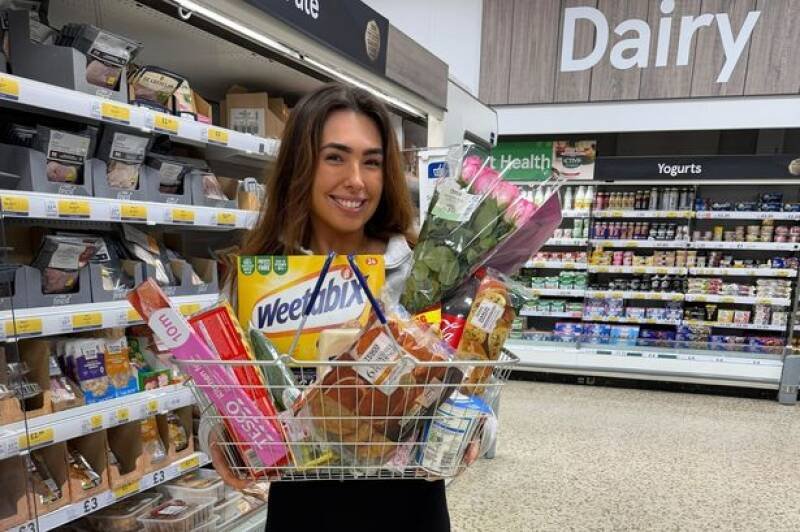
Remember when £30 could actually fill your grocery basket? A recent social media post showcasing a Tesco receipt from 1997 has gone viral, highlighting the dramatic increase in the cost of living over the past 27 years. The original poster attempted to recreate the £27 shop from the 1997 receipt, revealing a truly "sickening" price increase.
The vintage Tesco receipt paints a picture of a time when everyday items were significantly cheaper. While specific items and quantities haven't been universally reported, the core message is clear: inflation has fundamentally changed the affordability of groceries for the average consumer. This isn't just nostalgia; it's a stark reminder of the economic realities we face.
This story resonates deeply because it directly impacts everyone. We all buy groceries, and we've all noticed the rising prices. Seeing a concrete example, like this Tesco receipt, makes the abstract concept of inflation feel very real. It raises questions about how we manage our household budgets and whether our wages are keeping pace with the increasing cost of essential goods.
Furthermore, the rising cost of groceries can disproportionately affect low-income families and individuals on fixed incomes. When essential items like food become more expensive, it leaves less room for other necessities, like housing, healthcare, and education.
In our opinion, this viral receipt is more than just a social media trend; it's a symptom of larger economic challenges. Factors contributing to grocery price inflation include:
This Tesco receipt offers a tangible representation of the cumulative effect of these factors over nearly three decades.
Predicting the future of grocery prices is complex, but several trends suggest continued volatility. Climate change is expected to exacerbate supply chain disruptions, leading to further price increases. Ongoing geopolitical instability will likely continue to impact energy costs and trade routes.
This could impact consumer behavior as people may need to adjust their shopping habits, opting for cheaper brands, reducing food waste, and even growing their own food. Policy interventions, such as targeted subsidies for low-income families and investments in sustainable agriculture, may be necessary to mitigate the negative effects of rising grocery prices. It's also worth exploring alternative food systems and promoting local sourcing to build more resilient supply chains.
The Tesco receipt from 1997 serves as a powerful reminder of how much things have changed. It compels us to analyze the economic forces driving inflation and to consider strategies for navigating the challenges ahead.