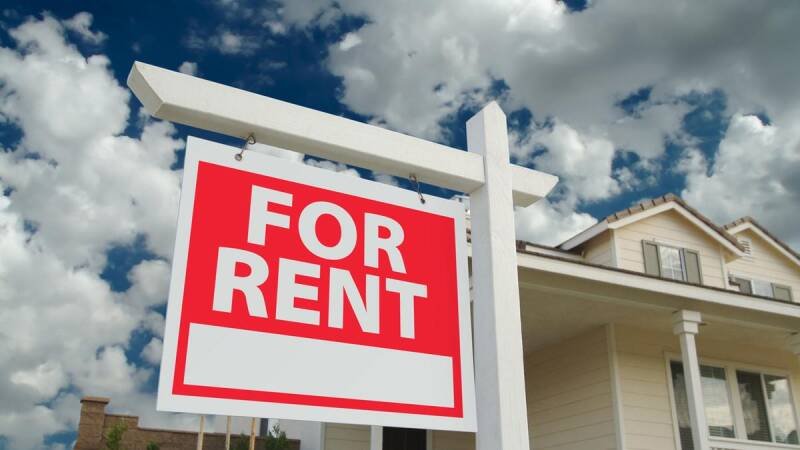
Rent Prices Decreasing: Is Housing Affordability Finally Improving?
Rent prices are finally showing signs of decreasing. We explore what's driving this change, why it matters, and the future outlook for housing affordability.



Rent prices are finally showing signs of decreasing. We explore what's driving this change, why it matters, and the future outlook for housing affordability.
Good news for renters! After a long period of soaring prices, rent is finally starting to drop in some areas. This offers a glimmer of hope for those struggling with the high cost of living. However, it is important to note that rent is still elevated. This decrease has been needed for a long time!
For a significant period, rent prices across many cities, particularly in high-demand urban areas, experienced substantial increases. A combination of factors, including increased demand due to population growth, limited housing supply, and overall inflation contributed to this rapid rise. Post-pandemic, the market has shown signs of stabilizing and correcting itself.
Now, several factors are contributing to this downward trend:
The affordability of housing is a crucial aspect of economic stability and social well-being. High rent burdens can severely impact individuals and families, limiting their ability to save, invest, or even afford basic necessities. Lowering rent prices has the potential to:
While the decrease in rent prices is a positive sign, it's essential to remain cautiously optimistic. In our opinion, it's unlikely that rent will return to pre-pandemic levels anytime soon. The housing market is complex, and various factors can influence future price trends. This includes interest rates, construction costs, government policies, and general economic conditions.
Moreover, the current decrease may be unevenly distributed, with some cities or neighborhoods experiencing more significant declines than others. Areas with a high concentration of new construction are more likely to see steeper rent reductions.
The future of rent prices depends on a delicate balance of supply and demand, influenced by broader economic trends and government policies. Here are some potential scenarios:
It's crucial for policymakers to address the underlying issues that contribute to the housing affordability crisis, such as zoning regulations, construction costs, and access to financing for affordable housing projects. This could impact the availability of affordable housing in the long run.
In our opinion, long-term solutions are needed to ensure that housing remains accessible to all, regardless of income level. This requires a multifaceted approach that includes increasing housing supply, addressing income inequality, and implementing policies that protect renters' rights.
This is a good step forward but let's see if we can't continue to improve.