Washington Examines War Prediction Markets: Ethical Concerns and Future Impact
Washington is scrutinizing war prediction markets due to ethical concerns. This article explains the controversy, analyzes the potential impact, and explores the future outlook for these online exchanges.
Washington Scrutinizes War Prediction Markets: Ethical Concerns Emerge
A debate is heating up in Washington D.C. concerning prediction markets, online platforms where users can wager on the outcomes of various events, ranging from sports games to significant geopolitical happenings. The core issue? The ethical implications of betting on events like war and political instability.
What are Prediction Markets?
Prediction markets function like futures markets. Participants buy and sell contracts based on their beliefs about the likelihood of a particular event occurring. The price of a contract reflects the collective wisdom of the crowd, theoretically offering a valuable insight into potential future outcomes.
Examples of events traded on these platforms can range from the winner of the next presidential election to the probability of a specific economic indicator reaching a certain level. However, the emergence of markets tied to potential conflicts and political crises has raised serious questions.
Why This News Matters
This news matters because it highlights the complex ethical challenges posed by emerging technologies and financial instruments. While prediction markets may offer a novel way to assess risk and forecast events, the potential for profiting from human suffering and political instability is deeply troubling. Regulatory scrutiny is essential to ensure that these markets are used responsibly and do not exacerbate existing conflicts or incentivize harmful behavior.
The debate around war prediction markets also touches upon broader questions about the role of finance in society and the ethical boundaries of free markets. If left unchecked, these markets could normalize the idea of profiting from global instability, potentially undermining efforts to promote peace and stability.
Our Analysis
In our opinion, the concerns surrounding war prediction markets are valid and warrant serious attention. The potential for these markets to be manipulated or to create perverse incentives is a significant risk. Imagine a scenario where someone with inside information about a potential conflict uses that knowledge to profit on a prediction market. This could not only be unethical but also potentially illegal.
Moreover, the mere existence of these markets could contribute to a sense of fatalism or inevitability surrounding conflicts. This could have a chilling effect on diplomatic efforts to prevent or resolve disputes. By normalizing the idea of betting on war, we risk diminishing the urgency and commitment needed to pursue peaceful solutions.
The Controversy Surrounding Kalshi
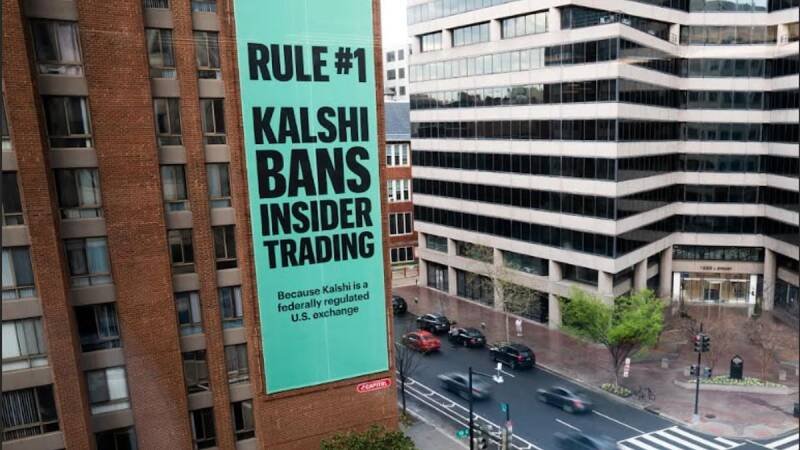
One prominent example is Kalshi, a regulated prediction market platform. While Kalshi offers contracts on a wide range of events, its inclusion of markets related to political risks has drawn criticism. The concern is that allowing individuals to bet on the likelihood of conflicts could be seen as profiting from human suffering and potentially incentivizing instability.
Future Outlook
The future of war prediction markets hinges on how regulators in Washington and elsewhere choose to address these ethical concerns. We anticipate increased regulatory scrutiny and potentially new rules governing the types of events that can be traded on these platforms. Stricter oversight is likely to be imposed to prevent manipulation and ensure that these markets are used responsibly.
This could impact platforms like Kalshi, potentially limiting the scope of their offerings and requiring them to implement more robust risk management measures. It is also possible that some markets, particularly those directly tied to armed conflicts or political crises, could be banned altogether.
Furthermore, the debate over war prediction markets is likely to spark a broader conversation about the ethical responsibilities of financial institutions and the need for greater transparency and accountability in the financial industry. The public will demand assurances that these markets are not being used to exploit human suffering or undermine global stability.
Ultimately, the challenge will be to strike a balance between fostering innovation in financial markets and protecting ethical principles and human values. This will require careful consideration, open dialogue, and a commitment to responsible regulation.