Worli STP Expansion: Bombay HC Seeks Clarity, Impact on Mumbai's Sewage Treatment
Bombay High Court seeks government stance on BMC's revised land needs for Worli Sewage Treatment Plant (STP) expansion. Explore the implications, delays, and financial impact.
Worli STP Expansion Faces Hurdles: Bombay HC Seeks Government's Stance
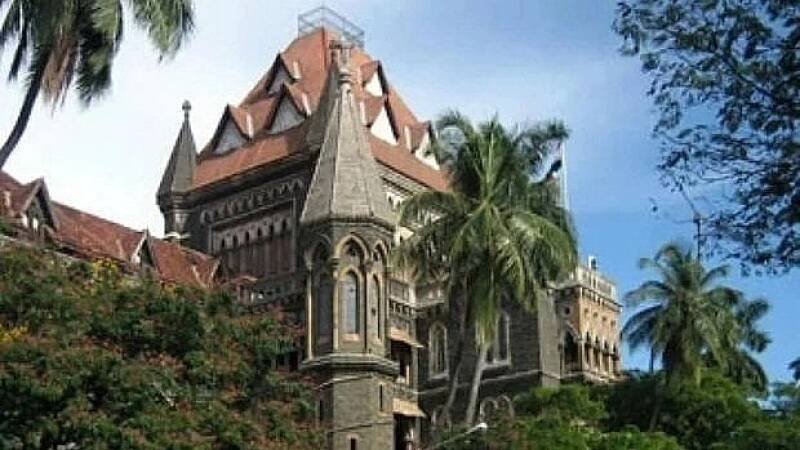
The Bombay High Court has recently requested the state government to clarify its position regarding the Brihanmumbai Municipal Corporation's (BMC) revised land requirement for the expansion of the Worli Sewage Treatment Plant (STP). This development throws a spotlight on a critical infrastructure project aimed at improving Mumbai's sewage management.
The Need for Expansion
The BMC is seeking to increase the originally planned area for the Worli STP expansion. This request stems from an anticipated higher demand for sewage treatment services in the future. With Mumbai's population growing and its sewage generation increasing, the existing infrastructure needs to be upgraded to prevent environmental hazards and ensure public health.
Land Dispute and Concerns
However, the expansion plan is facing a significant hurdle: a dispute with a property developer. This dispute has raised concerns about potential delays in the project's completion. Delays not only push back the date when Mumbai residents can benefit from improved sewage treatment but also raise concerns about the financial implications of the stalled project.
Why This News Matters
This news is crucial for several reasons:
- Public Health: An efficient STP is vital for treating sewage and preventing waterborne diseases. Delays can lead to untreated sewage being discharged, posing risks to public health.
- Environmental Impact: Untreated sewage pollutes water bodies, harming aquatic life and ecosystems. A modern STP reduces this environmental impact.
- Infrastructure Development: This project is a key part of Mumbai's overall infrastructure development. Its success is linked to the city's future growth and sustainability.
- Financial Implications: Delays and disputes can escalate project costs, ultimately burdening taxpayers.
Our Analysis
In our opinion, the High Court's intervention is a positive step towards resolving the issues surrounding the Worli STP expansion. The state government's clarification is crucial to paving the way forward. The dispute with the developer needs to be resolved promptly and fairly to avoid further delays.
The BMC must transparently communicate the rationale behind the revised land requirement, providing data on projected sewage generation and the capacity needed to handle it effectively. This will help stakeholders understand the project's necessity and address any concerns.
This situation highlights the challenges involved in large-scale infrastructure projects in urban areas, particularly regarding land acquisition and coordination among different parties. Effective planning, transparent communication, and swift dispute resolution mechanisms are vital to ensuring timely project completion.
Future Outlook
The future of the Worli STP expansion hinges on the state government's response to the High Court's request and the resolution of the land dispute. If the government provides a favorable response and a compromise can be reached with the developer, the project could proceed relatively smoothly.
However, if the dispute persists or the government's stance is unfavorable, further delays are likely. This could impact Mumbai's sewage treatment capacity and potentially lead to increased environmental pollution. This could impact public health and the overall quality of life for Mumbai residents.
Moving forward, it is essential to prioritize collaboration between the BMC, the state government, and other stakeholders to ensure the successful and timely completion of the Worli STP expansion. The focus should be on finding solutions that benefit the city as a whole and contribute to a more sustainable future.