Karnataka Liquor Prices to Rise: Understanding the New Alcohol Tax Plan
Karnataka plans to increase taxes on affordable liquor by 20% while reducing taxes on premium brands. Learn how this new alcohol tax plan will affect consumers and the liquor industry.
Karnataka's New Alcohol Tax Plan: What it Means for Your Drink
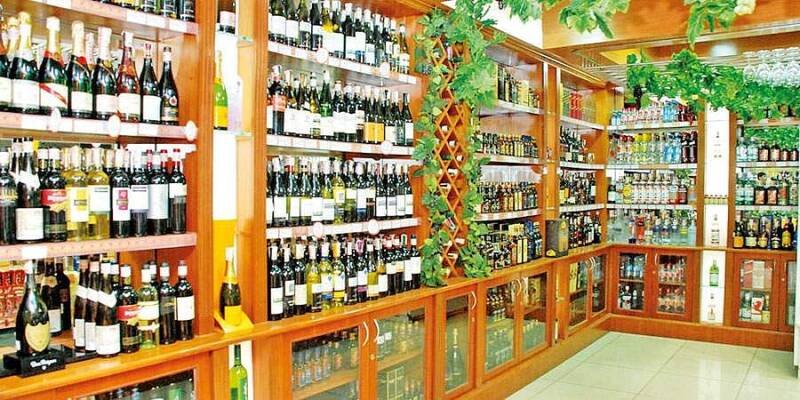
Karnataka is planning a significant overhaul of its alcohol tax system, which could mean you'll be paying more for your usual drink. The proposed changes aim to increase prices on lower-cost liquor by about 20%, while simultaneously reducing taxes on higher-end, premium alcohol brands. This shift, based on an Alcohol-by-Volume (AIB) excise system, has sparked debate and resistance within the liquor industry.
Understanding the Proposed Changes
The core of the change lies in the shift to an AIB-based excise system. This means that the tax levied on alcoholic beverages will be directly proportional to the percentage of alcohol content in the drink. Currently, the tax structure is different. The government argues that this change will streamline the taxation process and make it more efficient.
However, the practical effect will be an increase in the price of more affordable liquors, the kind often consumed by a larger segment of the population. Conversely, the cost of premium alcoholic beverages is expected to decrease. This has led to criticism about potentially disproportionately affecting lower-income individuals.
Why This News Matters
This isn't just about the price of a drink; it's about potential economic and social consequences. Here's why you should pay attention:
- Impact on Consumers: The most direct impact is on consumers, particularly those who prefer or can only afford less expensive liquor. A 20% price hike can significantly affect their spending habits.
- Industry Dynamics: Lower taxes on premium brands could boost sales for those segments, potentially shifting consumer preferences over time. The lower end brands may suffer decreased sales.
- State Revenue: The government hopes the changes will lead to increased overall revenue through a combination of higher prices and increased sales of premium brands. Whether this actually happens remains to be seen.
Our Analysis
In our opinion, while the stated goal of streamlining taxation might be valid, the practical consequences of this new plan are concerning. The decision to increase taxes on affordable liquor, while simultaneously reducing them on premium brands, raises questions about fairness and equity.
This could impact lower-income groups disproportionately. While some might argue that this discourages alcohol consumption, it could also lead to the consumption of cheaper, potentially unregulated, and harmful alternatives. The potential impact on the illicit liquor market also needs careful consideration.
Potential Advantages of the New Plan
It's important to acknowledge the potential upsides. Lowering taxes on premium brands could make Karnataka a more attractive market for high-end liquor producers, potentially boosting investment and tourism. The increased revenue, if it materializes, could be used for public welfare programs.
Future Outlook
The implementation of this new AIB-based excise system is likely to face continued opposition from the liquor industry. Negotiations and potential modifications to the plan are possible. It is crucial that the government carefully monitors the impact of these changes on both consumers and the industry.
Going forward, we expect to see:
- Lobbying efforts from liquor companies to influence the final implementation.
- Potential adjustments to the tax rates based on real-world impact.
- Increased scrutiny from consumer advocacy groups.
- Monitoring of illicit liquor sales to ensure public health and safety.
The coming months will be crucial in determining the ultimate outcome of this new alcohol tax plan in Karnataka.