California Motorcyclist Safety Program: Costs, Benefits, and Why It Matters
Learn about the California Motorcyclist Safety Program (CMSP), its benefits, costs, and how it can make you a safer rider. Discover why this program is important and what the future holds for motorcycle safety in California.
California Motorcyclist Safety Program: Ride Safer, Ride Smarter
Thinking about getting your motorcycle license in California or just want to brush up on your riding skills? The California Motorcyclist Safety Program (CMSP) is a great place to start. This program offers training courses designed to help riders of all skill levels stay safe on the road. Let's dive into what the CMSP is all about, what it costs, and why it matters.
What is the California Motorcyclist Safety Program (CMSP)?
The CMSP is a statewide program administered by the California Highway Patrol (CHP) that provides comprehensive motorcycle rider training. The program's core offering is the Motorcyclist Training Course (MTC), a hands-on course designed for both beginners and experienced riders. Courses are conducted by certified instructors at various locations throughout California.
The MTC covers essential topics such as:
- Basic motorcycle controls
- Starting, stopping, and turning
- Safe riding strategies
- Hazard awareness
- Emergency maneuvers
Completing the CMSP course often waives the riding skills test at the DMV, making it a convenient and efficient way to obtain your motorcycle license.
How Much Does the CMSP Cost?
The cost of the CMSP course varies depending on the provider and the type of course. However, the standard MTC typically costs between $300 and $400. While this might seem like an upfront investment, it's important to consider the long-term benefits and potential cost savings associated with improved riding skills and reduced risk of accidents.
Why This News Matters
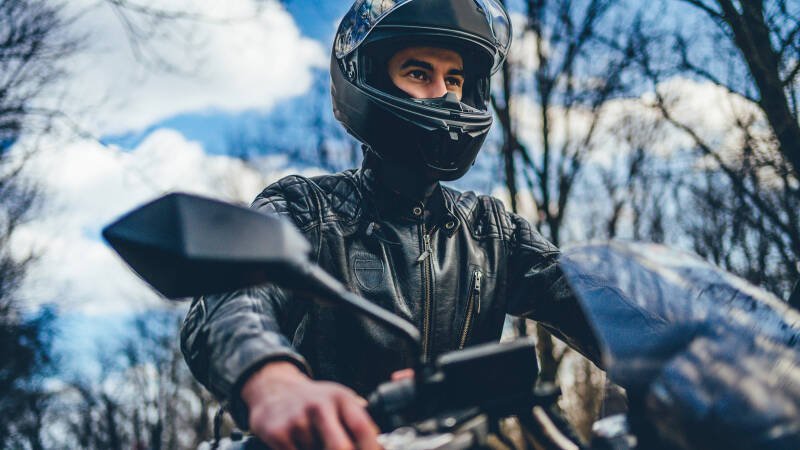
Motorcycle riding can be exhilarating, but it also comes with inherent risks. The CMSP plays a vital role in mitigating these risks by providing riders with the knowledge and skills necessary to navigate the roads safely. By participating in the CMSP, riders can significantly improve their awareness, reaction time, and overall riding ability, leading to fewer accidents and injuries.
This is especially important in California, where motorcycle riding is popular but also presents unique challenges, such as heavy traffic and diverse road conditions. A well-trained rider is a safer rider, benefiting not only themselves but also other motorists on the road.
Our Analysis
In our opinion, the California Motorcyclist Safety Program is a worthwhile investment for anyone considering riding a motorcycle. The comprehensive training provided by certified instructors can equip riders with the essential skills and knowledge needed to ride safely and confidently. Furthermore, the convenience of potentially waiving the DMV riding skills test makes the CMSP an attractive option for new riders.
We believe that the relatively small cost of the course is easily justified by the potential benefits, including reduced risk of accidents, lower insurance premiums (some insurance companies offer discounts for CMSP graduates), and increased peace of mind.
Future Outlook
The CMSP is likely to continue to play a critical role in promoting motorcycle safety in California. As motorcycle ridership continues to evolve, the program may adapt its curriculum to address emerging challenges, such as the increasing prevalence of distracted driving and the integration of electric motorcycles into the traffic stream.
Furthermore, increased public awareness of the CMSP and its benefits could lead to higher enrollment rates, ultimately contributing to a safer riding environment for everyone. This could impact the rates of motorcycle accidents long-term. We anticipate seeing continued support from the CHP and other stakeholders to ensure the long-term sustainability and effectiveness of the CMSP.
In Conclusion
The California Motorcyclist Safety Program is an important resource for anyone interested in riding a motorcycle safely and responsibly. By investing in rider education, we can all contribute to a safer and more enjoyable riding experience for everyone on the road.