Trans Visibility Under Attack: Why It Matters and What's Next
Trans Visibility Day is a call to action, but it's also under attack. Learn why trans visibility matters, the reasons for the backlash, and what the future holds.



Trans Visibility Day is a call to action, but it's also under attack. Learn why trans visibility matters, the reasons for the backlash, and what the future holds.
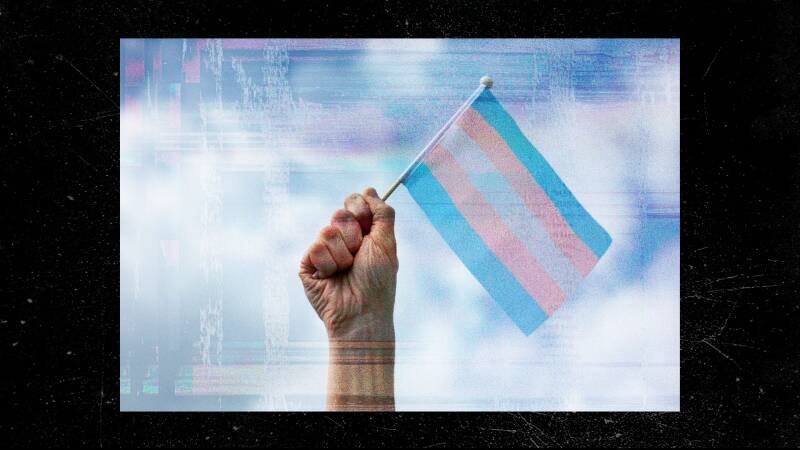
Trans Day of Visibility is more than just a date on the calendar. It's a powerful reminder that positive change is possible. It’s a call to action, urging us to envision and build a world where everyone, regardless of their gender identity, can live authentically and without fear. But this vision is increasingly under attack.
Trans Day of Visibility (TDOV), celebrated annually on March 31st, is dedicated to celebrating the accomplishments and contributions of transgender and gender non-conforming people while raising awareness of the discrimination they face worldwide. It’s a day to honor their resilience, celebrate their identities, and advocate for their rights.
Unfortunately, the progress made towards trans equality is being met with fierce resistance. In recent years, we've witnessed a surge in anti-trans legislation across the globe, particularly in the United States. These laws often target trans youth, restricting access to gender-affirming healthcare, banning trans athletes from participating in sports, and censoring discussions about gender identity in schools.
The attacks on trans visibility and rights have far-reaching consequences. They not only impact the mental and physical well-being of trans individuals but also undermine the broader principles of equality, inclusion, and human rights. When one group is marginalized and targeted, it sets a dangerous precedent for discrimination against other marginalized communities. This is not just about trans people; it's about the kind of society we want to build.
The opposition to trans visibility is often rooted in fear and misunderstanding. Some argue that trans rights threaten traditional values or that allowing trans people to live authentically will somehow harm society. These arguments are based on prejudice and misinformation, not facts. In our opinion, the real threat lies in the erosion of empathy and the denial of basic human dignity.
The increasing polarization of political discourse also fuels the anti-trans movement. By framing trans rights as a culture war issue, politicians can rally their base and distract from other pressing concerns. This manipulative tactic uses trans people as a scapegoat, diverting attention from systemic inequalities and injustices.
It is clear that certain groups benefit from maintaining a rigid social order, and challenging gender norms can be seen as a threat to this order. By attacking trans visibility, these groups aim to reinforce traditional power structures and suppress dissent.
The fight for trans equality is far from over. While the current political climate presents significant challenges, the growing visibility and acceptance of trans people offer hope for the future. Continued advocacy, education, and allyship are crucial to countering misinformation and promoting understanding. This could impact generations to come.
We believe that legal challenges to discriminatory laws will play a vital role in protecting trans rights. Increased representation of trans people in media, politics, and other spheres of influence will also help to normalize trans identities and challenge harmful stereotypes.
The path towards a truly inclusive and equitable society will be long and arduous. However, by working together, we can create a world where trans people are not only visible but also valued, respected, and empowered to live their lives to the fullest.