Tortoise Conservation: How Deep Digging is Helping Save a Species
Learn how researchers are using innovative techniques to protect tortoise populations. Discover the challenges they face and the future of tortoise conservation.



Learn how researchers are using innovative techniques to protect tortoise populations. Discover the challenges they face and the future of tortoise conservation.
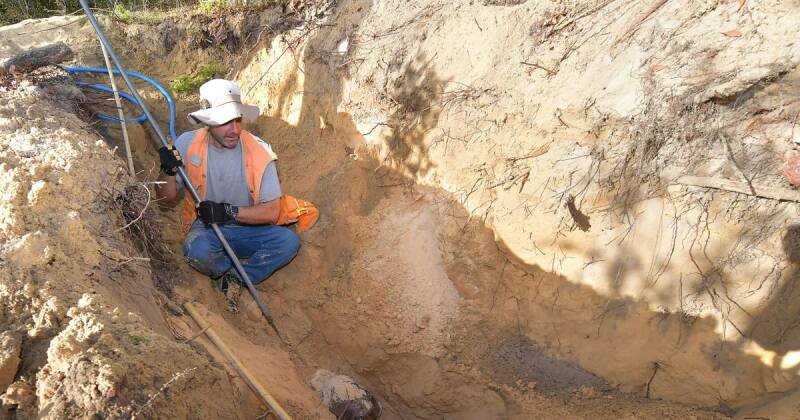
Saving endangered species often requires thinking outside the box, or in this case, digging deep into the sand. New research focuses on understanding and protecting tortoise burrows, the vital homes these reptiles depend on.
Tortoise burrows aren't just simple holes in the ground. They are complex underground ecosystems providing shelter from extreme temperatures, protection from predators, and a safe haven for breeding. These burrows can extend several feet below the surface, maintaining a stable and life-sustaining environment for the tortoises.
Unfortunately, these vital habitats are under threat from habitat loss, human encroachment, and climate change. Researchers are now focusing on understanding these burrows better to develop effective conservation strategies.
The decline of tortoise populations has significant implications for the broader ecosystem. Tortoises are often considered "keystone species," meaning their presence and activities have a disproportionately large impact on their environment. Their digging habits help aerate the soil, distribute seeds, and create habitats for other animals. Losing tortoises could trigger a cascade of negative consequences for the entire ecosystem.
Protecting these animals and their burrows is not just about saving a single species, it's about preserving the health and stability of entire ecosystems.
The focus on tortoise burrows highlights a crucial shift in conservation thinking. Instead of simply focusing on the animals themselves, researchers are increasingly recognizing the importance of protecting their habitats. This holistic approach acknowledges that species survival depends on the health of their environment.
In our opinion, this research is essential for developing effective conservation strategies. By understanding the intricate details of tortoise burrows, we can create targeted measures to protect these vital habitats from destruction and degradation. For example, knowing the optimal depth and temperature ranges of burrows can inform land management practices and habitat restoration efforts.
This deeper understanding could impact future construction and development near tortoise habitats. It could lead to changes in building codes and regulations to ensure that tortoise burrows are not destroyed or disturbed.
Conserving tortoise burrows presents unique challenges. Accurately locating and mapping these underground structures can be difficult. Protecting them from human activity, such as construction or off-road vehicle use, requires careful planning and enforcement.
However, there are also significant opportunities. Community involvement is crucial. By educating local residents about the importance of tortoise burrows, we can foster a sense of stewardship and encourage them to participate in conservation efforts.
The future of tortoise conservation depends on continued research, effective habitat protection, and community engagement. Innovative technologies, such as ground-penetrating radar and drone imagery, could be used to map tortoise burrows more efficiently.
Increased funding for conservation initiatives is also essential. This would enable researchers to conduct more extensive studies, implement effective management strategies, and educate the public about the importance of protecting tortoises and their habitats.
Ultimately, the long-term survival of tortoises hinges on our ability to understand and protect their burrows. By digging deep into the science of tortoise conservation, we can ensure that these fascinating creatures continue to thrive for generations to come.
The use of technology is increasingly important in conservation efforts. Drones can be used to map large areas of potential tortoise habitat, while GPS tracking devices can monitor tortoise movements and identify critical burrow locations. This data can then be used to inform land management decisions and prioritize conservation efforts.
This information empowers conservationists and helps make every dollar spent on conservation have the biggest impact.