Thrissur's Kathakali Last Supper: A Unique Easter Performance
A traditional Kathakali performance in Thrissur reimagines the Last Supper, blending Indian art with a biblical story. Explore the cultural significance and future implications.
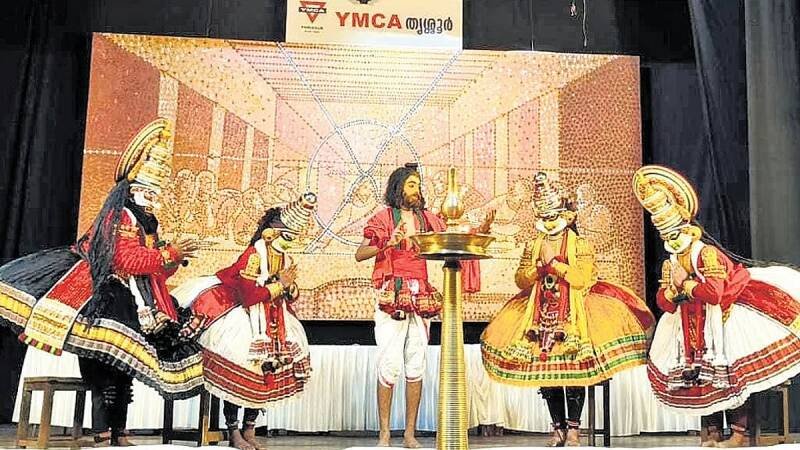



A traditional Kathakali performance in Thrissur reimagines the Last Supper, blending Indian art with a biblical story. Explore the cultural significance and future implications.
The Indian city of Thrissur, Kerala, recently hosted a unique Kathakali performance that reimagined the biblical Last Supper. This captivating event, staged before Easter, offered a fresh perspective on a familiar story, blending traditional Indian art with Christian narrative.
The performance opened with Mary Magdalene responding to accusations against her and Jesus Christ. This sets the stage for a powerful retelling of the Last Supper story through the expressive medium of Kathakali.
Kathakali is a major form of classical Indian dance-drama. It's characterized by elaborate costumes, makeup, and gestures. The performers use detailed facial expressions and body movements to tell stories, often drawn from Hindu epics and mythology. Using Kathakali to portray a Biblical story is an innovative twist.
This event is significant for several reasons. Firstly, it showcases the adaptability and versatility of Kathakali as an art form. It demonstrates that it can be used to tell stories from different cultures and religions, fostering cross-cultural understanding and appreciation.
Secondly, it highlights the rich artistic heritage of Kerala and its ability to blend tradition with innovation. The performance provides a unique cultural experience for both locals and tourists. It also demonstrates the potential for art to bridge divides and promote dialogue between different faith communities.
Finally, it shows how local cultural traditions can be leveraged to build and sustain unique tourism experiences. Kerala's distinctive art and culture make it a popular destination, and events like this further enhance its appeal.
In our opinion, this Kathakali performance is a brilliant example of cultural fusion. The artists have successfully adapted a Western religious narrative to a traditional Indian art form. The performance likely resonates deeply with the local Christian community in Kerala, while also offering a novel experience for those unfamiliar with the Bible.
The opening scene with Mary Magdalene addressing accusations is a powerful creative choice. It adds depth and complexity to the story, exploring themes of faith, persecution, and redemption.
We believe this innovative approach to storytelling could inspire other artists and cultural organizations to experiment with cross-cultural collaborations. This could lead to more unique and engaging artistic experiences for audiences around the world.
This event could encourage greater investment in Kathakali and other traditional art forms in Kerala. This is because of Kathakali's popularity, rich historical and cultural importance, and potential for growth in popularity both locally and internationally.
This event could also encourage more collaboration between artists from different cultural backgrounds. This could lead to the creation of new and innovative art forms that reflect the diversity of our global community.
This could impact tourism in Kerala. We believe that events like this have the potential to attract more tourists to the region, boosting the local economy and creating new job opportunities. It showcases Kerala's unique cultural offerings and positions it as a destination for those seeking authentic and enriching experiences.
It is not beyond imagination that this performance gains traction and potentially tours internationally, showcasing the richness and adaptability of Kathakali to a global audience.