Tech Donations Gone Wrong: 5 Gadgets Thrift Stores Don't Want
Learn which tech items you should avoid donating to thrift stores, why they're often rejected, and how to responsibly dispose of them.
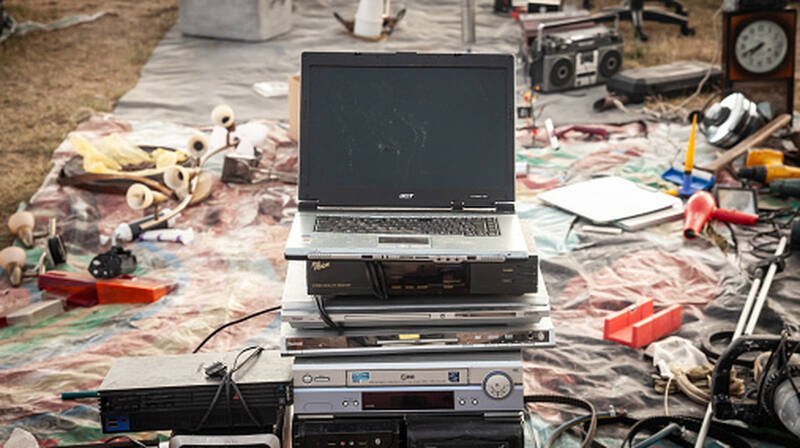



Learn which tech items you should avoid donating to thrift stores, why they're often rejected, and how to responsibly dispose of them.
Donating to thrift stores is a great way to declutter your home and potentially help others find affordable goods. However, not everything is a suitable donation. Certain tech items, in particular, can create more problems than solutions for these charitable organizations.
Thrift stores often lack the resources to properly test, repair, or resell outdated technology. Furthermore, disposing of these items requires specialized recycling processes due to hazardous materials. This translates to extra costs for the thrift store, defeating the purpose of a donation. Space constraints also play a role, as obsolete tech can take up valuable shelf space without attracting buyers.
Here's a list of tech items you should think twice about before dropping off at your local thrift store:
Understanding what items *aren't* suitable for donation is crucial for supporting thrift stores effectively. By avoiding these problematic tech donations, you help these organizations focus on accepting and selling items that genuinely benefit the community. It also underscores the importance of responsible electronic waste (e-waste) disposal, which protects the environment and human health.
In our opinion, the core issue is the rapid pace of technological advancement. What was once cutting-edge quickly becomes obsolete, creating a stream of unwanted electronics. Thrift stores are often the first point of contact for well-meaning individuals seeking to get rid of these items, but they are ill-equipped to handle the scale of the problem. This situation highlights the need for better public awareness campaigns about responsible e-waste disposal and accessible recycling programs. The responsibility also lies with manufacturers to design products that are more durable, repairable, and recyclable.
This could impact the way we consume and dispose of technology. By understanding the limitations of thrift stores, we can make more informed decisions about how to handle our old gadgets.
The future of e-waste management requires a multi-faceted approach. We anticipate seeing:
Ultimately, responsible tech disposal is a shared responsibility. By understanding the limitations of thrift stores and actively participating in e-waste recycling programs, we can all contribute to a more sustainable future.