Tax Scams Soaring: Protect Yourself This Season
Tax scams are increasing this year. Learn how to identify and avoid robocalls, phishing emails, and text messages from scammers. Protect your personal and financial information.
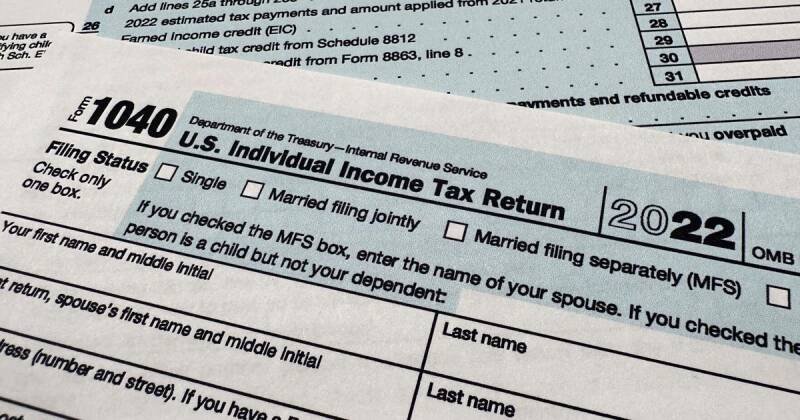



Tax scams are increasing this year. Learn how to identify and avoid robocalls, phishing emails, and text messages from scammers. Protect your personal and financial information.
Tax season can be stressful enough without having to worry about scammers trying to steal your money and information. Unfortunately, the Consumer Protection Bureau of the FTC (Federal Trade Commission) reports a significant increase in tax-related scams this year. These scams often involve robocalls, text messages, and phishing emails designed to trick you into giving up sensitive data.
The FTC has observed a noticeable uptick in reported tax scams compared to previous years. Scammers are becoming increasingly sophisticated, using deceptive tactics to impersonate the IRS or other legitimate entities. They often prey on fear and urgency, threatening audits, legal action, or the loss of tax refunds if you don't comply immediately.
Here are some of the most common tactics used by tax scammers:
Remember, the IRS will never contact you by phone, email, or text message to demand immediate payment or threaten legal action. They primarily communicate through postal mail.
Tax scams can have devastating consequences. If you fall victim to a scam, you could lose money, have your identity stolen, and face significant financial hardship. Protecting yourself from these scams is crucial for safeguarding your personal and financial well-being. The increase in scam activity this year highlights the need for heightened vigilance and awareness.
In our opinion, the rise in tax scams is a direct result of increasing online activity and the availability of sophisticated technology that makes it easier for scammers to reach a large number of potential victims. The anonymity afforded by the internet and the ability to spoof phone numbers and email addresses make it difficult for law enforcement to track down and prosecute these criminals. This could impact public trust in legitimate government communications.
Here are some steps you can take to protect yourself from tax scams:
We anticipate that tax scams will continue to evolve and become more sophisticated in the future. Scammers are constantly adapting their tactics to exploit new vulnerabilities and take advantage of current events. It's crucial to stay informed about the latest scam trends and take proactive steps to protect yourself. Further, increased collaboration between government agencies, tech companies, and consumer protection organizations is needed to combat these scams effectively.
In our opinion, investing in public education and awareness campaigns is essential to help people recognize and avoid tax scams. By empowering consumers with the knowledge and tools they need to protect themselves, we can reduce the effectiveness of these scams and minimize the harm they cause.
























