Spokane County Shuts Down License Plate Readers: Privacy Concerns Emerge
Spokane County Sheriff disables automated license plate readers over Washington's new privacy law. What does this mean for law enforcement and your privacy?



Spokane County Sheriff disables automated license plate readers over Washington's new privacy law. What does this mean for law enforcement and your privacy?
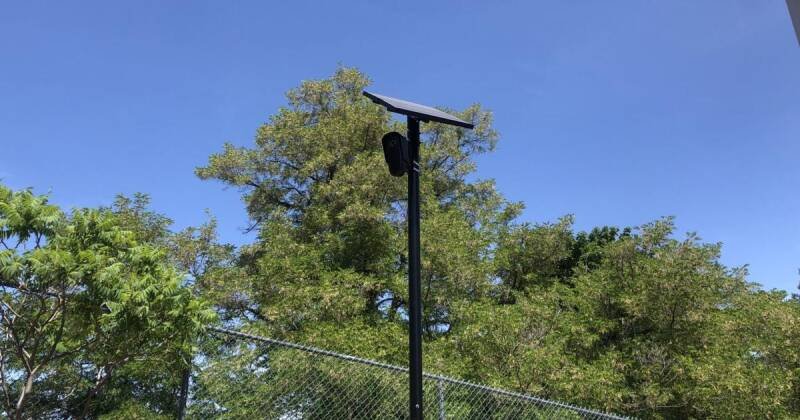
In a move that has sparked debate about the balance between law enforcement capabilities and individual privacy, Spokane County Sheriff John Nowels has temporarily disabled all automated license plate readers (ALPRs) within the county. This decision affects nearly 100 cameras used to identify vehicles and assist in criminal investigations.
Sheriff Nowels cited concerns over compliance with Washington State's recently enacted privacy law, House Bill 1183 (HB 1183), as the primary reason for the shutdown. The law, designed to protect personal data, places stricter regulations on the collection, storage, and use of information gathered by ALPRs.
These cameras, typically mounted on patrol cars or fixed locations, automatically capture images of license plates and convert them into data that can be cross-referenced with various databases, including those containing information on stolen vehicles, wanted persons, and outstanding warrants. Previously, this information was readily available to law enforcement. Now, they need to ensure they adhere to the new legal requirements.
This shutdown highlights the growing tension between law enforcement's desire for effective crime-fighting tools and the public's demand for greater privacy protection. The use of ALPRs raises questions about mass surveillance, data security, and the potential for misuse of personal information.
The temporary disabling of the ALPR system could impact law enforcement's ability to quickly identify and apprehend suspects involved in crimes. It could also lead to delays in recovering stolen vehicles and prosecuting offenders. However, proponents of privacy argue that these short-term drawbacks are outweighed by the long-term benefits of safeguarding citizens' constitutional rights.
In our opinion, Sheriff Nowels' decision is a prudent one. It demonstrates a commitment to upholding the law and protecting the privacy rights of Spokane County residents. While ALPRs can be valuable tools for law enforcement, they also pose significant risks if not properly regulated.
HB 1183 appears to be aimed at addressing those risks by placing restrictions on the use of ALPR data. Specifically, it likely limits how long data can be stored and who can access it. The challenge now is for the Sheriff's office to analyze the law and determine how to operate the ALPR system in a way that complies with these new requirements. This may require updating policies, implementing new data security measures, and providing additional training to law enforcement personnel.
This situation isn't unique to Spokane County. Other jurisdictions across the nation are grappling with similar issues related to ALPRs and other surveillance technologies. This case could set a precedent for how law enforcement agencies balance public safety with privacy concerns in the digital age. This could impact other counties across Washington and even nationally.
The future of ALPRs in Spokane County, and potentially elsewhere, depends on several factors:
It's likely that the ALPR system will eventually be reactivated in some form. However, the way it operates will likely be different, with a greater emphasis on data security and privacy protection. This whole situation represents a necessary, if challenging, step towards a more balanced approach to law enforcement and civil liberties in the digital age. We believe that finding this balance is crucial for maintaining both public safety and individual freedoms.