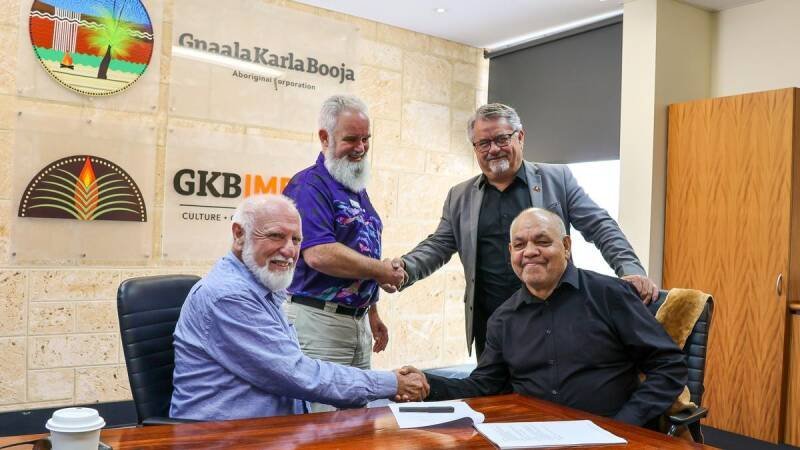
South West Shire Signs Landmark Noongar Heritage Agreement: A Win for Indigenous Recognition
Learn about the historic Noongar Standard Heritage Agreement signed by a South West Shire in Australia. Understand its significance, potential impact, and future implications for Indigenous heritage recognition.
South West Shire Makes History with Noongar Heritage Agreement
A South West Shire in Western Australia has achieved a significant milestone, becoming the first of 34 local governments in the region to formally sign a Noongar Standard Heritage Agreement. This agreement marks a turning point in how cultural heritage is managed and recognized in the area, paving the way for stronger partnerships between local government and the Noongar community, the traditional custodians of the land.
What is the Noongar Standard Heritage Agreement?
The Noongar Standard Heritage Agreement is a framework designed to ensure that Noongar people are actively involved in the management and protection of their cultural heritage. It sets out clear guidelines for how local governments should consult with Noongar representatives on projects that could potentially impact sites of cultural significance. These sites could range from ancient burial grounds and ceremonial locations to areas with important historical narratives for the Noongar people.
The agreement aims to create a more transparent and respectful process for decision-making, ensuring that Noongar voices are heard and considered in all relevant planning and development activities. This is crucial for preserving the rich cultural heritage of the Noongar nation and fostering genuine reconciliation.
Why This News Matters
This agreement is more than just a document; it's a symbol of progress towards recognizing and respecting Indigenous rights and cultural heritage. It demonstrates a commitment from the local government to work collaboratively with the Noongar community, ensuring that their perspectives are central to decision-making processes that affect their land and culture.
By signing this agreement, the South West Shire sets a positive precedent for other local governments in the region. It encourages them to prioritize engagement with Noongar communities and to develop culturally sensitive approaches to land management and development. This can lead to more sustainable and equitable outcomes for all stakeholders.
Our Analysis
In our opinion, this is a pivotal moment for Indigenous recognition in the South West region. The Noongar Standard Heritage Agreement provides a practical framework for protecting cultural heritage and fostering meaningful partnerships between local government and the Noongar community. It's a significant step away from the often-exclusionary practices of the past.
However, the real test will be in the implementation of the agreement. It's crucial that the local government demonstrates a genuine commitment to engaging with Noongar representatives in a respectful and transparent manner. Adequate resources must be allocated to ensure that the agreement is effectively implemented and monitored. This includes training staff on cultural awareness and providing support for Noongar participation in decision-making processes.
Potential Challenges
While the agreement represents a positive step forward, there are potential challenges to consider. Differing viewpoints between the local government and the Noongar community on specific projects could arise. Effective communication and a willingness to compromise will be essential to resolving these disagreements and maintaining a strong working relationship. Ensuring that all parties understand the agreement's terms and their respective responsibilities is paramount to prevent future disputes.
Future Outlook
This agreement could impact the way development and infrastructure projects are planned and implemented in the South West region. We anticipate a greater emphasis on environmental and cultural heritage assessments, and a more proactive approach to engaging with Noongar communities early in the planning process. This could lead to more sustainable and culturally sensitive development outcomes.
Furthermore, this historic agreement could inspire other local governments and organizations to adopt similar approaches to Indigenous heritage recognition. It has the potential to become a model for best practice in cultural heritage management across Australia. The success of this agreement will depend on the continued commitment of all parties involved, and a genuine desire to build strong and respectful relationships with the Noongar community.
Ultimately, the signing of this agreement is a testament to the power of collaboration and the importance of recognizing and respecting Indigenous rights and cultural heritage. It's a step towards a more just and equitable future for all.