Project Jupiter Water Needs: Examining the Data Center's Impact
Project Jupiter, a large data center, needs 1 million gallons of water daily. This article explores the source of this water, the potential impact on the environment, and what the future holds.
Project Jupiter's Thirst: A Deep Dive into Data Center Water Consumption
The digital world runs on data, and data resides in massive data centers. These centers require substantial resources, and one of the most critical is water. Project Jupiter, a significant data center, is projected to consume a staggering 1 million gallons of water every single day. This raises a critical question: where will all that water come from, and what impact will it have on the surrounding environment?
The Data Center Water Footprint
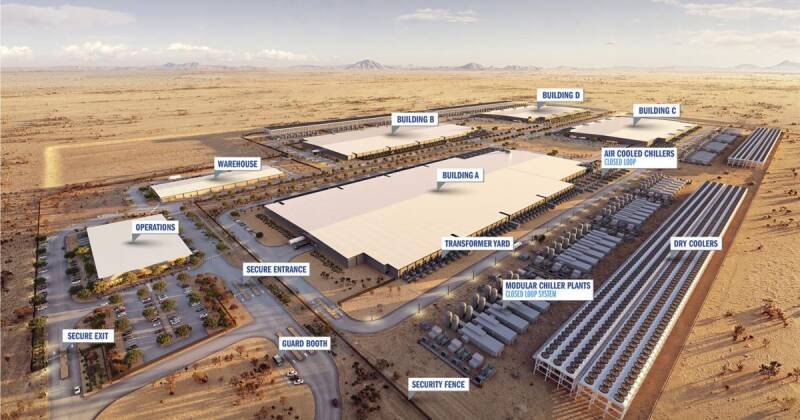
While efficient cooling systems are often highlighted when discussing data center sustainability, the article points out that Project Jupiter's natural-gas-powered microgrids are the main drivers behind the massive water demand. These microgrids, designed to provide a reliable power source, rely on water for cooling. This dependence highlights a crucial intersection between energy and water resources, often referred to as the "water-energy nexus."
Why This News Matters
Understanding the water needs of large data centers like Project Jupiter is vital for several reasons:
- Resource Management: Water is a precious resource, especially in drought-prone areas. Knowing how much water these centers consume allows for better planning and management of water resources.
- Environmental Impact: Excessive water usage can deplete aquifers, reduce river flows, and harm local ecosystems. It's crucial to assess the potential environmental consequences.
- Sustainability: Data centers are becoming increasingly aware of their environmental impact. Addressing water consumption is a key aspect of building truly sustainable infrastructure.
- Community Impact: High water consumption could affect local water availability and prices, potentially impacting residential and agricultural users.
Our Analysis
In our opinion, the reliance on natural-gas-powered microgrids contributing to significant water usage highlights a potential flaw in the design of Project Jupiter. While microgrids offer energy independence, the trade-off in terms of water consumption might be too high. It would be worthwhile to explore alternative energy sources or cooling technologies that minimize water use.
Furthermore, transparency is key. The data center should publicly disclose its water sources and consumption patterns to foster accountability and allow for informed public discourse.
Future Outlook
The future of data center water consumption depends on several factors:
- Technological Innovation: Advancements in cooling technologies, such as air cooling and liquid immersion cooling, could significantly reduce water usage.
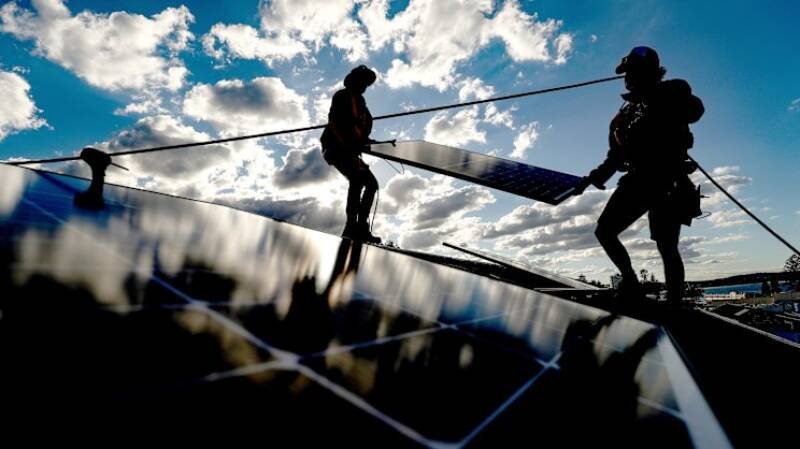
- Renewable Energy Integration: Switching to renewable energy sources like solar and wind could eliminate the need for water-intensive natural gas microgrids.
- Water Conservation Strategies: Implementing water recycling and reuse systems within the data center can help minimize water withdrawal.
- Regulatory Pressure: Increased scrutiny from regulatory bodies regarding water usage may incentivize data centers to adopt more sustainable practices.
The Path to Sustainable Data Centers
The challenge lies in balancing the growing demand for data with the need to conserve water resources. This could impact the location of future data centers, favouring regions with abundant and sustainable water sources, or areas where innovative water-saving technologies can be implemented. We believe that collaboration between data center operators, technology providers, and policymakers is crucial to develop and implement sustainable solutions that ensure the long-term viability of the digital economy without compromising the environment.
Ultimately, the story of Project Jupiter’s water needs serves as a crucial reminder of the often-hidden environmental costs of our increasingly digital lives. Addressing this issue is not just about individual data centers but about building a more sustainable and responsible digital future for all.