Not Fade Away: Why David Chase's Rock and Roll Film Still Matters
Explore David Chase's "Not Fade Away" and its enduring relevance to music, culture, and coming-of-age stories. Learn why this rock and roll film is a must-watch.
Not Fade Away: The Unstoppable Beat of David Chase's Low-Key Masterpiece
David Chase, best known for creating the iconic television series "The Sopranos," ventured into the world of feature films with "Not Fade Away." This coming-of-age story set in the 1960s, against the backdrop of the burgeoning rock and roll scene, offers a nuanced look at youth, ambition, and the cultural shifts that defined a generation. Now available in a striking black-and-white cut on the Criterion Channel, the film gains an even more timeless quality, further emphasizing its enduring message.
A Blast from the Past in Black and White
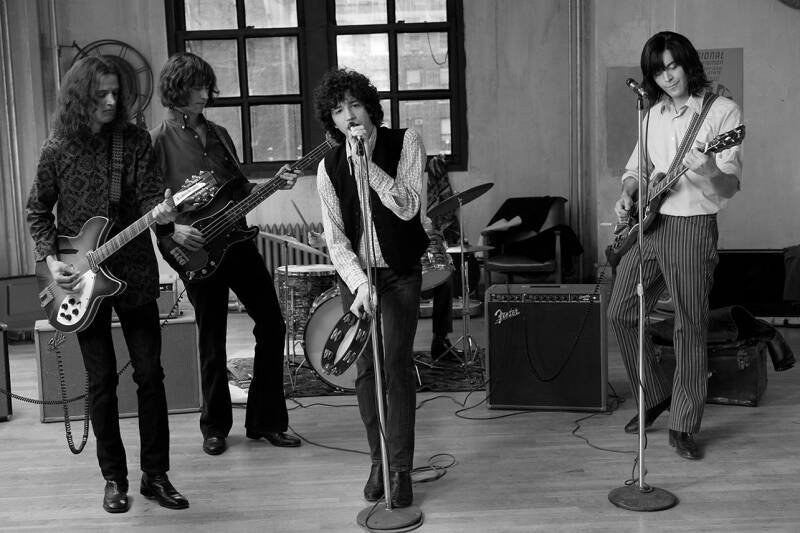
The new black-and-white version available on Criterion isn't just a stylistic choice; it adds depth and a layer of nostalgia to the film. It evokes the classic rock documentaries and concert films of the era, grounding the narrative in a visual language that resonates with the film’s themes. This transformation invites viewers to see "Not Fade Away" through a fresh lens, emphasizing its timeless themes.
What is "Not Fade Away" About?
"Not Fade Away" follows a group of New Jersey teenagers in 1964 who are inspired by The Rolling Stones to form their own band. The film chronicles their struggles, successes, and the clash of generations as they navigate the changing cultural landscape. The story centers around Eugene Gaetano, played by John Magaro, a young man torn between his artistic aspirations and the expectations of his traditional Italian-American family.
Why This News Matters
The Criterion Channel's release of the black-and-white version of "Not Fade Away" provides an opportunity to re-evaluate a film that, while initially met with mixed reviews, possesses a unique charm and poignant message. It reminds us of the power of music to inspire change, the challenges of artistic pursuit, and the universal experience of coming of age. It also allows us to appreciate David Chase's storytelling prowess outside the realm of "The Sopranos."
Our Analysis
"Not Fade Away" isn't just a rock and roll movie; it's a character study. It delves into the complexities of family dynamics, the allure of artistic expression, and the struggle to find one's identity. The film's strength lies in its authentic portrayal of the era, avoiding the clichés often associated with nostalgia.
In our opinion, the black-and-white version elevates the film's artistic merit. It strips away the distractions of color, allowing the viewer to focus on the performances, the cinematography, and the core themes of the story. This artistic choice enhances the movie's storytelling and creates a more immersive and impactful viewing experience.
The film's ending, while somewhat ambiguous, is particularly thought-provoking. It doesn't offer easy answers or a neat resolution, reflecting the uncertainties and complexities of life. The focus on the characters and their individual journeys, rather than a grand narrative arc, is what makes "Not Fade Away" so compelling.
Future Outlook
"Not Fade Away," particularly in its black-and-white form, is likely to find a new audience on the Criterion Channel. Its themes of artistic passion, generational conflict, and the search for identity remain relevant today.
This could impact the way future filmmakers approach period pieces, perhaps inspiring them to embrace less conventional storytelling techniques and focus on character-driven narratives. Furthermore, the rediscovery of "Not Fade Away" could lead to a renewed appreciation for David Chase's versatility as a storyteller beyond his work on "The Sopranos." The film's availability on Criterion will also solidify its place in film history and provide a valuable resource for film students and enthusiasts. It's likely to spur further discussion and analysis of Chase's filmography, highlighting his contributions to both television and cinema.