Northern Ontario Farmers Face Rising Costs and Highway Challenges
Northern Ontario farmers are grappling with rising costs and highway closures, impacting their livelihoods. Learn about the challenges and future outlook.
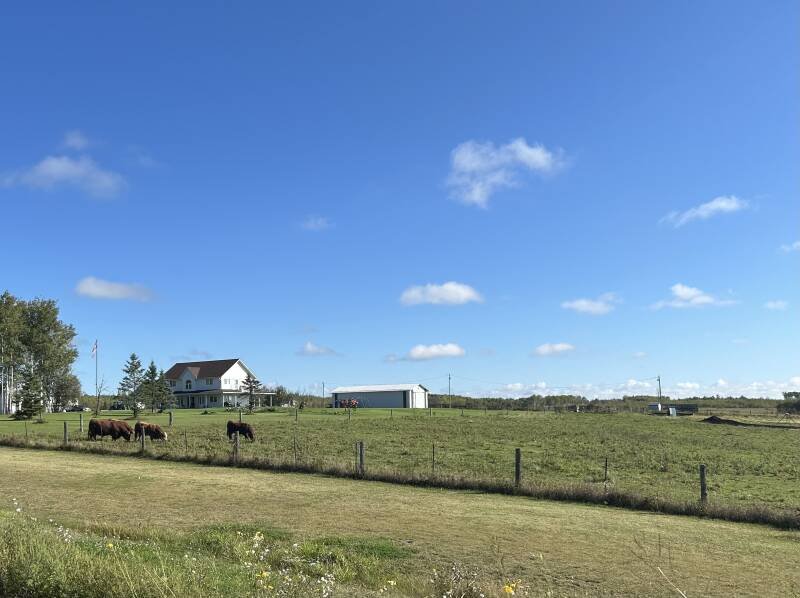



Northern Ontario farmers are grappling with rising costs and highway closures, impacting their livelihoods. Learn about the challenges and future outlook.
Northern Ontario farmers are facing a perfect storm of challenges that could significantly impact their livelihoods and the region's food security. Rising input costs, coupled with frequent highway closures, are creating a difficult environment for agriculture in the north. A recent meeting of farmers, including the northern director for the Ontario Federation of Agriculture (OFA) and a veteran farmer from the Thunder Bay area, highlighted these growing concerns ahead of the 2026 season.
One of the biggest headaches for farmers across Canada, including those in Northern Ontario, is the rising cost of essential inputs. Fertilizer prices have skyrocketed due to global supply chain disruptions and geopolitical instability. Fuel costs are also on the rise, impacting everything from planting and harvesting to transportation of goods. Seed, equipment maintenance, and labor costs are also contributing to the financial strain. These increased expenses squeeze profit margins and make it harder for farmers to stay afloat. Many are now weighing whether to continue with the same level of crop yield, which risks less profitability.
Northern Ontario is known for its vast distances and reliance on highways for transportation. Unfortunately, frequent highway closures, often due to accidents or weather conditions, disrupt the supply chain and create major logistical nightmares for farmers. These closures can delay the delivery of essential supplies, prevent farmers from getting their products to market on time, and increase transportation costs. Perishable goods can spoil, resulting in significant financial losses. A reliable transportation infrastructure is critical for Northern Ontario's agricultural sector, and its current state is posing a serious threat.
The challenges faced by Northern Ontario farmers have broader implications than just their own businesses. Agriculture plays a vital role in the region's economy and food security. If farmers are struggling, it could lead to reduced local food production, higher food prices for consumers, and a decline in the region's economic activity. Supporting Northern Ontario's agricultural sector is crucial for ensuring a sustainable and resilient food system.
In our opinion, the Ontario government needs to take immediate action to address the challenges faced by Northern Ontario farmers. This could include providing financial assistance to help offset rising input costs, investing in infrastructure improvements to reduce highway closures, and exploring alternative transportation options, such as rail freight. The government should also work with farmers to develop strategies for adapting to climate change and building a more sustainable agricultural sector. Failure to act could have serious consequences for the region's food security and economic well-being.
It's also important to remember the human element in all of this. Farming is a demanding profession, and the current challenges are taking a toll on the mental and emotional well-being of farmers. The financial stress, the uncertainty surrounding highway closures, and the pressure to maintain productivity can be overwhelming. Support programs and mental health resources are crucial for helping farmers cope with these challenges.
The future of agriculture in Northern Ontario depends on how effectively these challenges are addressed. Continued rising costs and persistent highway closures could force some farmers out of business, leading to a decline in local food production. However, with proactive government support, innovative farming practices, and investments in infrastructure, Northern Ontario's agricultural sector can overcome these challenges and thrive. This could impact whether the communities are able to support themselves with local food in the years to come.
The situation requires a multi-faceted approach, involving collaboration between farmers, government agencies, and other stakeholders. By working together, we can ensure a sustainable and thriving agricultural sector in Northern Ontario.
























