Nebraska Aims to Become Nuclear Energy Innovation Hub
Nebraska is vying to become a leading center for nuclear energy innovation. Learn about their bid, the implications, and the future of nuclear technology in the state.



Nebraska is vying to become a leading center for nuclear energy innovation. Learn about their bid, the implications, and the future of nuclear technology in the state.
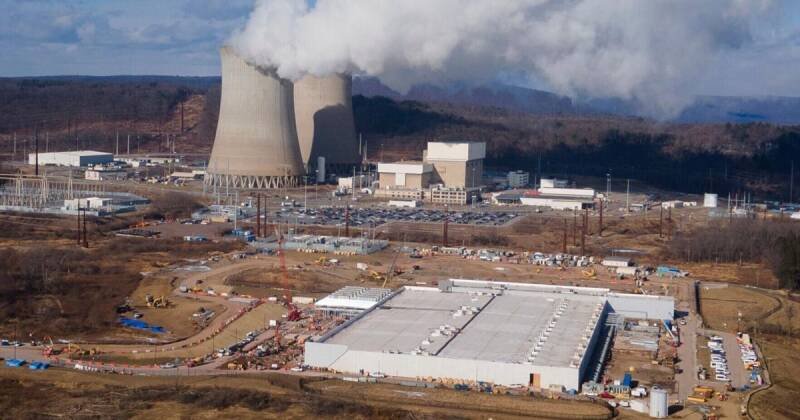
Nebraska is making a bold move towards becoming a hub for next-generation nuclear energy. The state has officially submitted a response to the U.S. Department of Energy (DOE), expressing interest in hosting a "Nuclear Lifecycle Innovation Campus." This initiative by the DOE aims to identify potential sites across the country that can support cutting-edge research, development, and deployment of advanced nuclear technologies.
The Nuclear Lifecycle Innovation Campus, as envisioned by the DOE, is more than just a power plant site. It's designed to be a comprehensive ecosystem encompassing all stages of the nuclear fuel cycle, from research and development to waste management and decommissioning. This holistic approach aims to foster innovation, collaboration, and the development of sustainable nuclear energy solutions.
Think of it as a university campus, but instead of focusing on traditional academic subjects, the focus is solely on nuclear energy. It's a place where scientists, engineers, policymakers, and industry leaders can come together to advance the future of nuclear power.
This is a significant development for several reasons:
Nebraska's decision to pursue this opportunity demonstrates a forward-thinking approach to energy policy. In our opinion, the state has a strong case to make. Nebraska already has a favorable environment for nuclear energy, including a skilled workforce, existing nuclear facilities (Cooper Nuclear Station), and a supportive regulatory framework.
Furthermore, Nebraska's central location in the US could make it an ideal location for this national initiative. The state's commitment to research and development, particularly in the agricultural sector, demonstrates its willingness to embrace innovation. The successful implementation would require significant collaboration between the state government, universities, and private industry. The application itself would have to showcase Nebraska's capacity to support the initiative.
The DOE will now evaluate the responses received from various states and select potential sites for the Nuclear Lifecycle Innovation Campus. This process is likely to be rigorous and competitive. If Nebraska is chosen, it would mark a new chapter in the state's energy history.
This could impact the energy landscape of the entire region, attracting investment and fostering a new generation of nuclear energy professionals. However, the development of a nuclear campus is not without its challenges. Public perception, regulatory hurdles, and waste management concerns will need to be addressed effectively to ensure the success of the project.
Nebraska will need to actively engage with the DOE and stakeholders to promote its proposal. This includes highlighting the state's strengths, addressing potential concerns, and demonstrating a clear vision for the future of nuclear energy in Nebraska. The next steps will likely involve detailed planning, environmental assessments, and community engagement activities.