Lost Danish Warship Dannebroge Discovered: A Historical Deep Dive
After 225 years, the sunken Danish warship Dannebroge, victim of Nelson's fleet, has been discovered. Explore the historical significance and the race to preserve this underwater treasure.
Lost Danish Warship Dannebroge Discovered After 225 Years
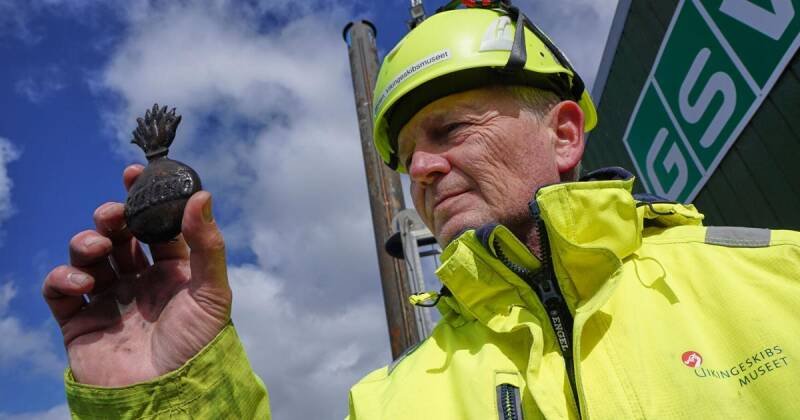
In a remarkable discovery, the wreck of the Danish warship Dannebroge, sunk during the Battle of Copenhagen in 1801 by Lord Nelson's British fleet, has been located after 225 years. The discovery offers a tangible link to a pivotal moment in naval history and presents a unique opportunity for archaeologists to study the ship and its artifacts.
The Battle of Copenhagen: A Brief Overview
The Battle of Copenhagen was a crucial naval engagement in the Napoleonic Wars. The British, under the command of Admiral Horatio Nelson, attacked the Danish fleet anchored in Copenhagen harbor. The battle was fierce, and while the British ultimately prevailed, they suffered significant losses. The Dannebroge, a symbol of Danish naval power, was among the ships lost during the conflict.
The discovery was made in challenging conditions, with divers working in thick sediment and near-zero visibility. The team faces a race against time, as the wreck site is in danger of becoming a construction zone. The urgency to excavate and preserve the Dannebroge and its artifacts is paramount.
Why This News Matters
The discovery of the Dannebroge is significant for several reasons:
- Historical Significance: The wreck provides a direct connection to the Battle of Copenhagen and the Napoleonic Wars, allowing historians and researchers to gain a deeper understanding of the era.
- Archaeological Value: Shipwrecks are time capsules, preserving artifacts and providing insights into shipbuilding techniques, naval warfare, and the lives of sailors from centuries past.
- Cultural Heritage: The Dannebroge represents a significant part of Danish naval history and cultural identity. Its preservation is crucial for future generations.
- Underwater Preservation Challenges: The delicate nature of underwater archaeological sites demands immediate action. Discoveries like this highlight the continuous challenges of preserving underwater heritage in the face of modern development.
Our Analysis
In our opinion, the discovery of the Dannebroge presents both an exciting opportunity and a significant challenge. The potential for uncovering valuable historical information is immense. Detailed study of the ship's construction, armament, and the artifacts found within could shed new light on naval technology, tactics, and the everyday lives of sailors in the early 19th century.
However, the fact that the wreck site is threatened by construction activity raises serious concerns. This underscores the need for proactive measures to identify and protect underwater cultural heritage sites before they are damaged or destroyed. Balancing development with the preservation of historical resources is a complex task, but one that must be prioritized.
The conditions described by the divers – working in thick sediment and near-zero visibility – highlight the difficult and specialized nature of underwater archaeology. It requires skilled professionals, specialized equipment, and meticulous planning to ensure that artifacts are recovered safely and scientifically.
Future Outlook
The immediate future involves a race against time to excavate and document the Dannebroge before construction activities begin. This will likely involve:
- Extensive Diving Operations: Divers will need to carefully excavate the wreck site, documenting the ship's structure and recovering artifacts.
- Artifact Conservation: Recovered artifacts will require specialized conservation treatment to prevent deterioration.
- Historical Research: Historians will analyze the artifacts and documentation to gain a deeper understanding of the Dannebroge and its role in the Battle of Copenhagen.
- Public Education: The story of the Dannebroge should be shared with the public through museum exhibits, documentaries, and educational programs.
This could impact Danish naval history awareness and bring more attention to maritime archaeological work in the Baltic Sea.
Looking ahead, the discovery of the Dannebroge could lead to increased efforts to survey and protect other potential shipwreck sites in the Baltic Sea and elsewhere. It also highlights the importance of collaboration between archaeologists, governments, and developers to ensure that underwater cultural heritage is preserved for future generations. In our opinion, this discovery serves as a powerful reminder of the rich history that lies beneath the waves and the importance of protecting it.