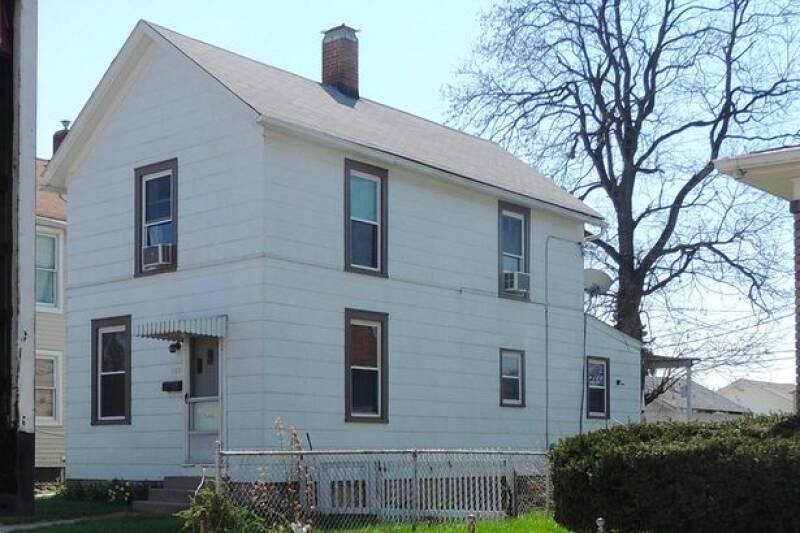
Living in a House with a Dark History: The Ruppert Massacre
Explore the chilling story of the Ruppert family massacre in Ohio and the experience of living in the house where it happened. Understand the impact of tragedy and the enduring power of place.
Living in the Shadow of Tragedy: The Ruppert Family Massacre
Imagine buying a house, a place of hope and new beginnings, only to discover it's steeped in a horrific history. This is the reality for someone living in the house where, on Easter Sunday in 1975, James Ruppert brutally murdered 11 members of his own family in Hamilton, Ohio.
The Easter Sunday Massacre
The Ruppert family massacre is a deeply disturbing event that continues to haunt the community. James Ruppert, armed with two handguns and a rifle, systematically killed his mother, brother, sister-in-law, and eight nieces and nephews. The motive behind the killings remains debated, with theories ranging from financial disputes to mental instability.
The Enduring Stain
The house itself became a symbol of this unimaginable tragedy. It's impossible to erase the memory of what occurred within its walls. Every room, every corner, holds the echo of that horrific day. Even with renovations and new occupants, the property carries the weight of its past.
One resident recounted the chilling reality of living in the house, acknowledging the constant awareness of the gruesome events that transpired. This situation presents significant psychological challenges. How does one create a sense of normalcy in a place forever marked by such profound loss and violence?
Why This News Matters
This story is important for several reasons. First, it serves as a stark reminder of the devastating impact of violence on families and communities. Second, it highlights the psychological challenges faced by those who live in places associated with tragedy. Third, it raises questions about how we remember and memorialize such events, and how we support communities affected by them.
Our Analysis
In our opinion, this situation is a complex interplay of history, trauma, and personal experience. The fact that someone chooses to live in such a house speaks volumes about the human capacity for resilience and the desire to reclaim spaces from the grip of tragedy. However, it also underscores the importance of mental health support for those who knowingly or unknowingly find themselves living with such a burden.
The story also raises ethical considerations regarding disclosure in real estate transactions. While laws vary, potential buyers should arguably be informed of significant events that occurred on a property, allowing them to make informed decisions. Failure to disclose could lead to further distress and potential legal ramifications. This could impact property values and the emotional well-being of future residents.
Future Outlook
Moving forward, it's crucial to focus on healing and remembrance. Communities affected by tragedy need resources and support to cope with the long-term psychological and emotional effects. Perhaps a memorial or community initiative could transform the narrative of the house from one of horror to one of remembrance and hope.
We believe that open and honest conversations about the past are essential to prevent similar tragedies from happening in the future. By acknowledging the darkness, we can work towards creating a brighter future for all.
Ultimately, the story of the Ruppert family massacre is a poignant reminder of the fragility of life and the enduring power of tragedy to shape places and people. It compels us to reflect on our responsibility to remember, to heal, and to create communities where such events are less likely to occur.