Indore Food Safety: Inspections, Seizures, and What it Means for You
Food safety officials in Indore seized food items and found irregularities at multiple establishments. Learn what this means for food safety and hygiene in the city.
Indore Food Safety: Inspections Uncover Irregularities, Seizures Made
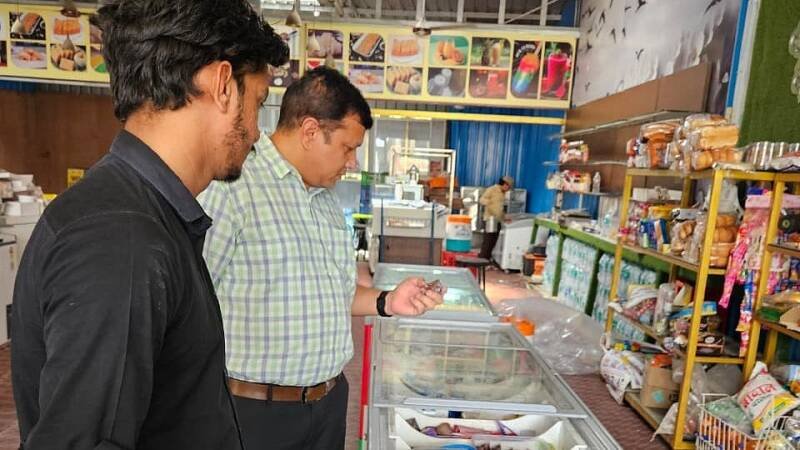
Recently, food safety officials in Indore conducted a series of inspections across various food-related establishments. These inspections led to the collection of 17 samples and the seizure of approximately 635 kg of food items. The focus of these inspections was to ensure adherence to food safety standards and protect public health.
Beverage Unit Faces Action
One of the key locations inspected was a beverage manufacturing unit located in Hukumchand Colony. During the inspection, officials discovered several irregularities, leading to the immediate halt of production activities. The irregularities were serious enough to warrant the seizure of goods. While the specific details of the irregularities haven't been released, it's likely they involved issues such as improper hygiene, incorrect labeling, or the use of substandard ingredients.
Zepto Warehouse Flagged for Hygiene Concerns
The popular quick-commerce company, Zepto, also faced scrutiny as its warehouse in Indore was inspected. The inspection revealed concerns related to hygiene and storage practices. While the report doesn't specify the exact issues, common warehouse hygiene concerns often include pest control, temperature management, and cleanliness protocols. Proper storage is crucial to prevent food spoilage and contamination.
Bakery in Betma Under Investigation
Following a consumer complaint, a bakery in Betma also came under the food safety department's radar. The nature of the complaint is unknown, but it prompted an immediate inspection to assess the bakery's compliance with food safety regulations. This highlights the important role that consumers play in maintaining food safety standards by reporting potential issues.
Why This News Matters
These inspections and seizures are a reminder of the ongoing efforts to ensure food safety in Indore. They demonstrate that food safety officials are actively working to identify and address potential risks. For consumers, this means a greater assurance that the food they purchase is safe and meets established quality standards. It underscores the importance of regularly checking food labels, being aware of potential hygiene issues when buying food, and reporting any concerns to the relevant authorities. This heightened awareness contributes to a safer food environment for everyone.
Our Analysis
In our opinion, this news highlights the critical role of proactive food safety inspections. The fact that irregularities were found in a beverage manufacturing unit and a Zepto warehouse suggests that even established businesses are not immune to food safety lapses. The action taken by the food safety department—halting production and seizing goods—demonstrates a commitment to upholding food safety standards. The inspection of the Betma bakery, prompted by a consumer complaint, underlines the importance of consumer vigilance and the effectiveness of reporting mechanisms. This also suggests that the food safety department is responsive to public concerns.
The irregularities found at the Zepto warehouse are particularly concerning. Quick-commerce platforms are rapidly growing in popularity, and it is crucial that their storage and handling practices meet the highest standards of hygiene. The incident serves as a reminder that companies must prioritize food safety and invest in robust quality control measures. This could impact consumer confidence in the brand.
Future Outlook
Looking ahead, we anticipate that food safety inspections will continue to be a regular occurrence in Indore and other cities. There will likely be an increased focus on online food delivery platforms and their associated warehouses to ensure they meet the same stringent standards as traditional retail outlets.
We expect to see increased collaboration between food safety officials, businesses, and consumers to promote a culture of food safety. This may involve educational campaigns for food handlers, enhanced training programs, and improved communication channels for reporting concerns.
Furthermore, technology could play a significant role in enhancing food safety. For example, blockchain technology could be used to track food products from farm to table, providing greater transparency and accountability. Sensor technology could be used to monitor temperature and humidity levels in warehouses, ensuring that food is stored under optimal conditions.
Ultimately, a collective effort from all stakeholders is essential to ensure a safe and reliable food supply for the residents of Indore and beyond. This could also lead to increased consumer trust and confidence in the food industry.