Jonathan the Tortoise Still Alive: Debunking the Death Hoax & Why It Matters
Jonathan, the world's oldest tortoise, is NOT dead! We debunk the hoax, explain why this news matters, and analyze the situation. Plus, future outlook!



Jonathan, the world's oldest tortoise, is NOT dead! We debunk the hoax, explain why this news matters, and analyze the situation. Plus, future outlook!
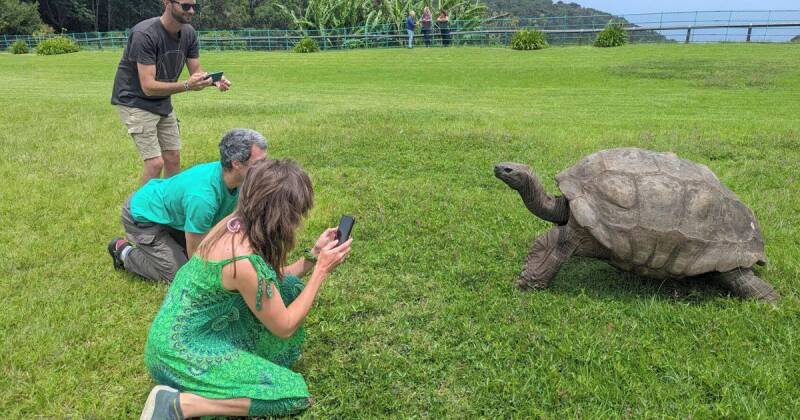
Reports of Jonathan the tortoise's demise have been greatly exaggerated! Despite a recent hoax circulating on social media, the world's oldest known land animal is alive and kicking (well, more like slowly walking) on the island of St. Helena.
A viral social media post falsely claimed that Jonathan, estimated to be around 193 years old, had passed away. The post, according to a veterinarian on St. Helena, even went so far as to solicit cryptocurrency donations. This highlights a worrying trend of exploiting even beloved animals for financial gain.
The details of the hoax are still emerging, but it appears someone fabricated a post suggesting Jonathan had died and then attempted to leverage the emotional response for personal profit through cryptocurrency donations. This is a classic example of exploiting current events (or in this case, fabricated events) to try to scam unsuspecting individuals.
While the exact reach and impact of the hoax are unknown, the incident underscores the importance of verifying information before sharing it online, especially when it involves requests for money.
This story, while seemingly simple, touches on several important issues:
In our opinion, the attempt to capitalize on Jonathan's (false) death is deeply troubling. It's not just about a tortoise; it's about the erosion of trust and the exploitation of public sentiment. The fact that someone would use the image of a beloved animal to solicit cryptocurrency donations speaks volumes about the state of online ethics. This could impact charitable giving and lead to people becoming more wary of online solicitations, even from legitimate organizations.
The speed at which the hoax spread also demonstrates the power of social media to amplify misinformation. Platforms need to be more proactive in identifying and removing fake news, especially when it involves potentially harmful scams.
Social media platforms bear a responsibility to combat the spread of misinformation, especially when it involves sensitive topics like animal welfare or charitable giving. Stronger verification processes and more effective algorithms for detecting and removing fake news are crucial.
Looking ahead, the incident surrounding Jonathan highlights the need for increased awareness and media literacy. Individuals should be skeptical of information they encounter online and verify its accuracy before sharing it. In our opinion, educational initiatives focused on identifying and avoiding online scams are crucial to protecting vulnerable individuals.
Furthermore, the health and well-being of Jonathan the tortoise continue to be a priority. The government of St. Helena and dedicated caretakers will continue to provide him with the best possible care for years to come. This could impact tourism to St. Helena as Jonathan continues to be a popular draw for visitors. He serves as an important mascot for conservation efforts.
While the future is uncertain, one thing is clear: Jonathan the tortoise remains a symbol of resilience and longevity, and his story will continue to inspire people around the world. We can only hope that future online narratives surrounding him will be rooted in truth and respect.