Jelly the Bear Cub: Rescue Story, Implications, and Future for Wildlife
Learn about the heartwarming rescue of Jelly, a bear cub near Kamloops, and explore the broader context of wildlife conservation and human impact.
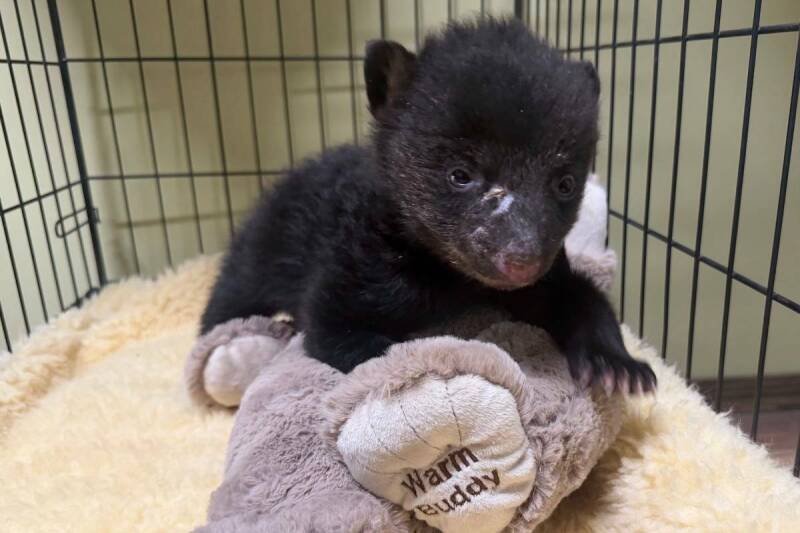



Learn about the heartwarming rescue of Jelly, a bear cub near Kamloops, and explore the broader context of wildlife conservation and human impact.
A tiny bear cub, now affectionately named Jelly, was rescued near Heffley Lake, close to Kamloops, British Columbia, on March 23rd, which fittingly, is World Bear Day. This heartwarming event highlights both the challenges faced by wildlife and the dedicated efforts of rescuers.
The details surrounding Jelly's discovery are still emerging, but the fact remains: a very young, vulnerable bear cub was found alone and in need of help. Finding a cub without its mother is often a sign of distress or abandonment, prompting immediate intervention.
While the name "Jelly" might seem whimsical, it gives this little bear a personality. It immediately makes him relatable and helps to build empathy for his situation.
Jelly's story is more than just a feel-good moment; it's a window into the larger issues affecting bear populations and wildlife in general. Instances like this often point to underlying problems such as habitat loss, human encroachment, and climate change, all of which can disrupt animal habitats and family structures.
Each rescue operation, while positive, represents a failure somewhere else along the line. It highlights the need for proactive conservation efforts to prevent animals from becoming displaced or endangered in the first place.
In our opinion, the rescue of Jelly underscores the importance of responsible land management and co-existence with wildlife. While the rescue itself is commendable, we need to examine what led to the cub being separated from its mother. Was it due to human activity in the area? Did something happen to the mother bear? Understanding these factors is crucial for preventing similar incidents in the future.
This also brings up the larger conversation on wildlife management. How much intervention is too much? When should we leave nature to take its course, and when is intervention necessary for the survival of an individual animal or a species? These are complex ethical questions with no easy answers.
Raising awareness about bear safety and responsible interaction with wildlife is paramount. Educating the public about how to avoid attracting bears to residential areas, what to do if they encounter a bear, and the importance of protecting bear habitats can significantly reduce conflict and prevent scenarios like Jelly's separation from its mother.
Jelly's future will likely involve rehabilitation at a specialized wildlife facility. The goal is to provide him with the care he needs to grow strong and, ideally, eventually be released back into the wild. However, even with the best care, life in the wild presents challenges. Learning survival skills from a mother bear is irreplaceable, and Jelly will need to adapt to life without that guidance.
This could impact local bear populations if Jelly survives and breeds successfully. His genes and experiences could contribute to the overall health and resilience of the bear population in the region. However, the long-term impact will depend on various factors, including the availability of suitable habitat, the abundance of food sources, and the effectiveness of conservation efforts.
Looking ahead, we hope that Jelly's story inspires greater commitment to wildlife conservation and fosters a deeper appreciation for the natural world. Every animal rescue represents a chance to learn and improve our approach to protecting vulnerable species and their habitats.
























