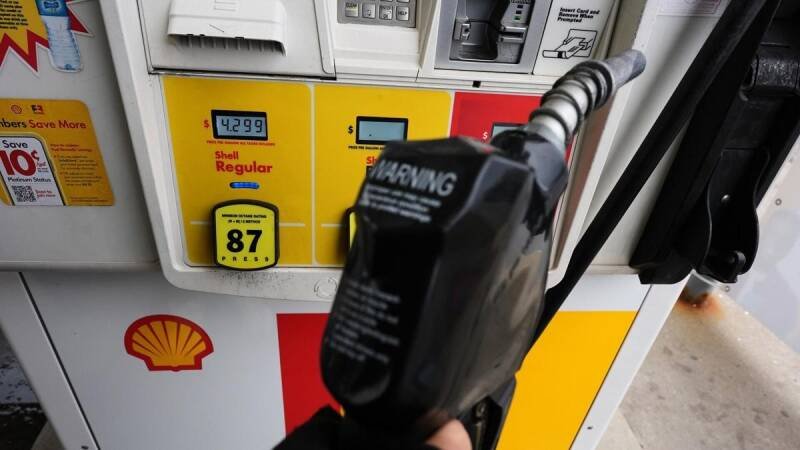
Iran Conflict Could Spark Global Food Crisis: What You Need to Know
A potential US-Israeli war in Iran threatens not just gas prices, but global food supplies. Learn about the risks, impacts, and future outlook.
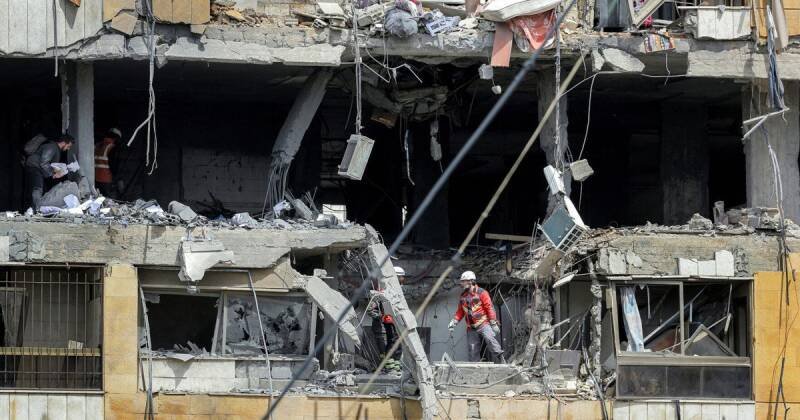



A potential US-Israeli war in Iran threatens not just gas prices, but global food supplies. Learn about the risks, impacts, and future outlook.
Most Americans worry about gas prices when they hear about potential conflicts in the Middle East. But a potential US-Israeli war in Iran could trigger a much bigger problem: a global food crisis. While higher gas prices are a nuisance, empty shelves and soaring food prices could have devastating consequences worldwide. This is a serious threat that deserves immediate attention.
Iran's geographic location and influence in the region are key. It sits strategically along major shipping lanes vital for global trade, including the transportation of grain and other essential food commodities. Any disruption to these routes could significantly impact the flow of food supplies.
Think of it like a major highway shutting down – suddenly, everything gets backed up, and prices skyrocket. That's what could happen to the global food supply if a conflict disrupts shipping in the region.
This news matters because food security is a fundamental human need. A global food crisis can lead to:
The ripple effects of a food crisis are far-reaching and can impact everyone, regardless of where they live.
The potential for conflict involving Iran is concerning not just for its immediate human cost, but also for the fragility of the global food supply chain it exposes. The world relies on a complex network of trade and transportation to feed its population, and this network is vulnerable to disruption. In our opinion, more diversified supply chains and strategic food reserves are critical to mitigating these risks.
Furthermore, the geopolitical implications are significant. A war in Iran could exacerbate existing tensions and create new ones, further destabilizing the region and impacting global markets. The interconnectedness of energy, geopolitics and food security is becoming increasingly apparent.
This crisis could disproportionately affect countries that rely heavily on food imports. Countries in Africa, for example, are particularly vulnerable, and this could lead to instability and humanitarian crises.
The future is uncertain, but several factors will determine the severity of the potential food crisis:
There are several steps that can be taken to mitigate the risk of a global food crisis:
In our opinion, proactive measures are essential to safeguard global food security and prevent a potentially catastrophic crisis. We need international cooperation and a long-term strategy to build a more resilient and sustainable food system. This could impact how governments prioritize their budgets, and how individuals make food choices.