Indiana Community Protests ICE in 120-Mile Pilgrimage: Why It Matters
An Indiana community joins Frontline Dignity in a 120-mile protest against ICE. Learn why this matters, our analysis, and the future outlook.



An Indiana community joins Frontline Dignity in a 120-mile protest against ICE. Learn why this matters, our analysis, and the future outlook.
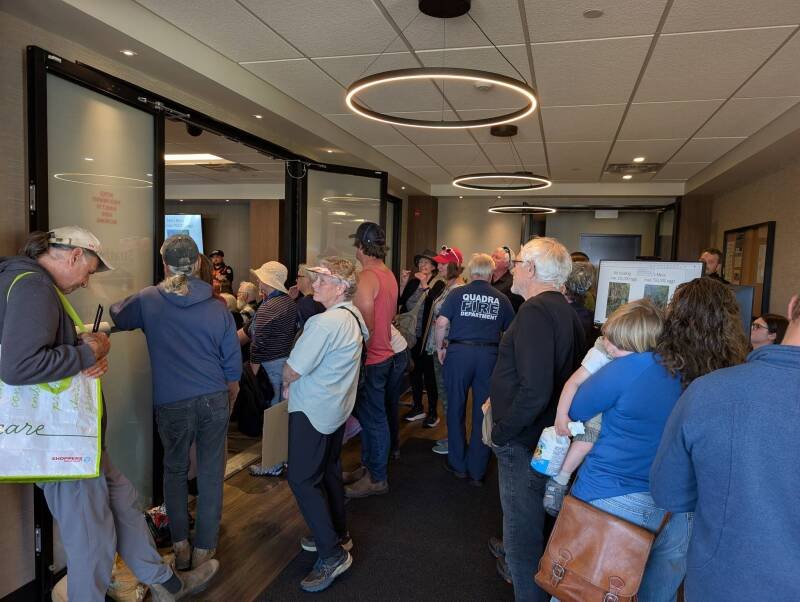
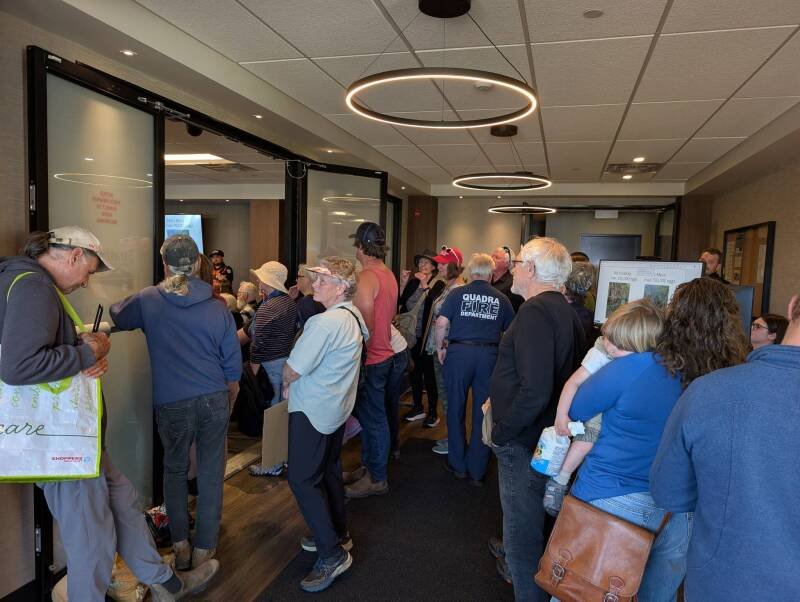
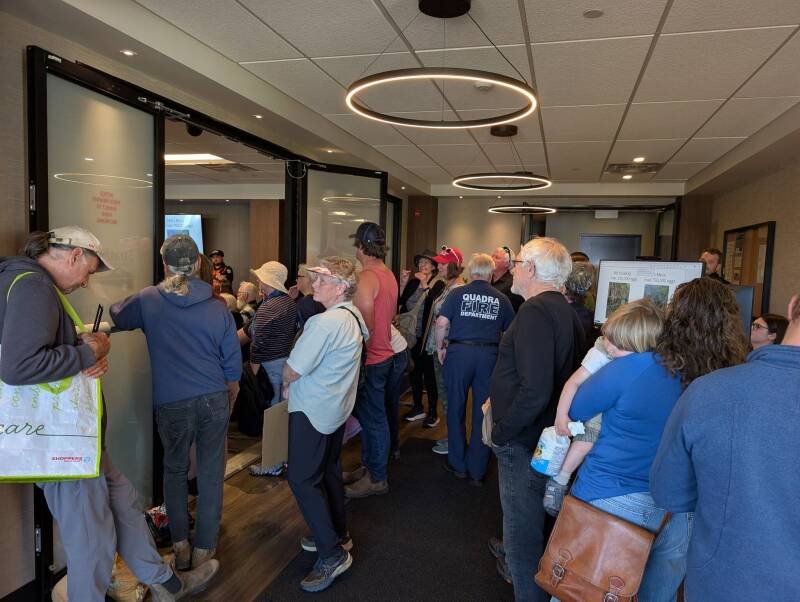
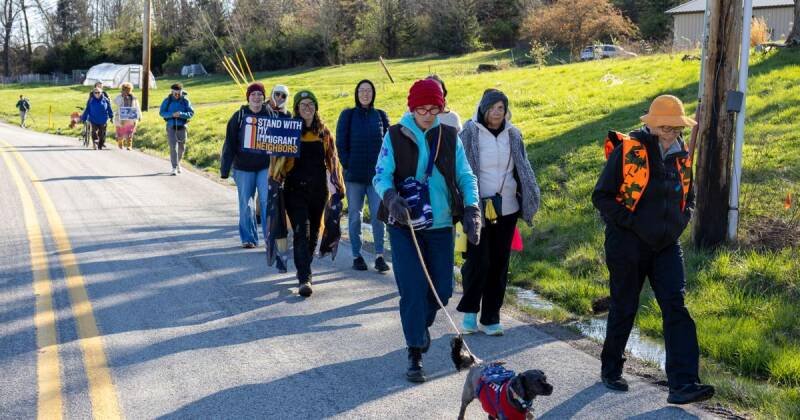
Residents of an Indiana county recently joined forces with Frontline Dignity protestors for a powerful 120-mile pilgrimage, directly protesting the actions and policies of Immigration and Customs Enforcement (ICE). This demonstration underscores growing concerns within communities about ICE's impact and the broader immigration debate.
The pilgrimage, organized by Frontline Dignity, saw protestors marching 120 miles to raise awareness and demonstrate their opposition to ICE. Local Indiana residents actively participated, adding their voices to the call for change. The demonstration aimed to highlight the human cost of current immigration policies and advocate for more humane treatment of immigrants.
This event is significant for several reasons. First, it demonstrates a growing level of community engagement and activism surrounding immigration issues, especially in areas not traditionally considered immigration hotspots. Second, it highlights the emotional and moral dimensions of the immigration debate, moving beyond purely legal or political arguments. Finally, it shows how individuals and groups are finding creative ways, like pilgrimages, to express their concerns and demand action.
The involvement of an Indiana community also signals a shift in the narrative around immigration. It's no longer a border-state issue; it's a national conversation with local impacts felt across the country.
In our opinion, this protest reflects a deeper discontent with current immigration enforcement practices. The sheer distance of the pilgrimage indicates a serious commitment from the participants. These actions suggest a belief that current ICE policies are not only unjust but are also damaging to communities.
The participation of local Indiana residents is particularly noteworthy. It shows that concerns about immigration extend beyond immigrant communities themselves and are shared by a broader segment of the population. This could indicate a growing awareness of the social and economic impact of immigration policies on local communities.
The choice of a pilgrimage as a form of protest is also significant. Pilgrimages often carry religious or spiritual connotations, suggesting that the protestors view this as a moral imperative. This framing could resonate with a wider audience and help to humanize the issue, making it more difficult for detractors to dismiss their concerns.
This event could catalyze further activism and organizing around immigration issues in Indiana and other states. We believe that the visibility generated by this protest could encourage others to speak out and take action. This could lead to:
This could impact the broader national conversation about immigration reform. As more communities voice their concerns and demand action, policymakers will be under increasing pressure to find solutions that are both effective and humane.
However, it's important to acknowledge the challenges. Opposition to immigration reform remains strong in some quarters, and there is a risk that these protests could be met with resistance or even backlash. Sustaining momentum and building a broader coalition will be crucial to achieving meaningful change.
Moreover, the effectiveness of this type of protest depends on its ability to influence public opinion and political discourse. While it may raise awareness and mobilize supporters, it is not a guarantee of policy change. Long-term advocacy and engagement with policymakers are also essential.
Ultimately, the success of this movement will depend on its ability to translate grassroots activism into concrete policy outcomes. But, the seeds of change are being sown, and the Indiana community's participation in this pilgrimage is a testament to the growing desire for a more just and humane immigration system.