Hyundai's "Stronger, Not Louder" Design Philosophy: What It Means for Future Cars
Hyundai's new design philosophy focuses on durability and sophistication. Learn how "Stronger, Not Louder" will influence their future car designs.



Hyundai's new design philosophy focuses on durability and sophistication. Learn how "Stronger, Not Louder" will influence their future car designs.
Hyundai is making a significant shift in its design approach, moving away from overly flashy aesthetics towards a philosophy they call "Stronger, Not Louder." We recently spoke with Hyundai's North American design chief to understand what this means for their future vehicles, particularly in the context of concepts like the Boulder.
The core of this new philosophy revolves around durability, resilience, and a sense of understated sophistication. Instead of relying on aggressive lines and attention-grabbing features, Hyundai aims to create vehicles that convey strength through robust design and high-quality materials. Think less about shouting for attention and more about exuding quiet confidence.
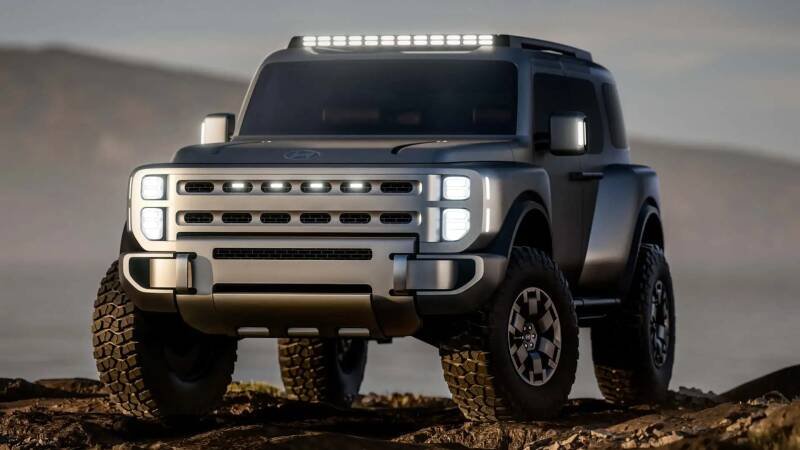
The Boulder concept embodies this perfectly. It showcases a design language prioritizing functionality and ruggedness. It's about creating vehicles that look like they can handle tough conditions while maintaining an elegant, modern aesthetic. This represents a departure from some of Hyundai's past designs, which arguably leaned towards being visually "loud."
This design shift is critical for several reasons:
In our opinion, "Stronger, Not Louder" is a smart and timely move for Hyundai. The automotive market is increasingly saturated, and standing out requires more than just eye-catching designs. Consumers are looking for substance, and this philosophy speaks directly to that desire.
The Boulder concept provides a concrete example of this new direction. Its boxy shape, prominent wheel arches, and minimalist detailing suggest a vehicle built to withstand the rigors of off-road adventures. It's a far cry from some of the more aggressively styled SUVs on the market, and that's precisely the point.
This design philosophy also hints at a broader commitment to sustainability and responsible manufacturing. Building vehicles that last longer and require less maintenance is inherently more eco-friendly. This could resonate with environmentally conscious consumers.
We expect to see the "Stronger, Not Louder" philosophy permeate Hyundai's entire lineup in the coming years. This means cleaner lines, more robust materials, and a greater emphasis on functionality. The impact will likely be most noticeable in their SUV and truck offerings, where durability is a key selling point.
This design approach also has significant implications for Hyundai's electric vehicle (EV) strategy. As EVs become more mainstream, consumers will be looking for vehicles that not only offer cutting-edge technology but also inspire confidence and reliability. A "Stronger, Not Louder" design language can help Hyundai position its EVs as both technologically advanced and inherently durable. We think this will give them an edge in a very competitive market.
While the "Stronger, Not Louder" philosophy has many benefits, it also presents some challenges. Maintaining a balance between robustness and elegance is crucial. The design must be appealing without being overly aggressive or boring. Furthermore, Hyundai needs to ensure that the quality of materials and construction matches the visual impression of strength. Any compromises in this area could undermine the entire philosophy. This could impact consumer perception and ultimately sales.
Ultimately, Hyundai's success with this new design direction will depend on their ability to consistently deliver vehicles that embody the spirit of "Stronger, Not Louder." If they can do that, they're well-positioned to solidify their position as a leading automotive brand.