Human Waste as Fertilizer: A Shocking But Sustainable Solution for Crops
Researchers are exploring human waste as crop fertilizer, showing promising results. Learn about this sustainable solution, its implications, and the future of agriculture.
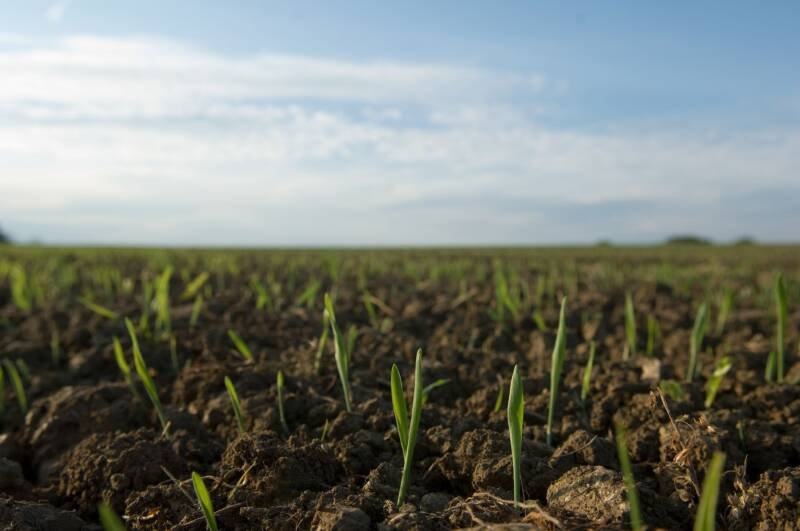



Researchers are exploring human waste as crop fertilizer, showing promising results. Learn about this sustainable solution, its implications, and the future of agriculture.
Researchers are venturing into unconventional territory, exploring the potential of human waste as a viable fertilizer for crops. Initial results are showing promise, although some participants have admitted to initial feelings of "shock" regarding the project's premise.
Traditional fertilizers, while effective, often come with a hefty environmental price tag. Their production is energy-intensive, and their overuse can lead to water pollution, damaging ecosystems. We need sustainable alternatives to feed a growing global population without further harming the planet.
Human urine, often discarded, is actually rich in nutrients like nitrogen, phosphorus, and potassium – the very same elements that make traditional fertilizers effective. This project explores ways to safely and effectively harness these nutrients to fertilize crops, essentially turning waste into a valuable resource.
The participant's success in growing crops fertilized with treated human waste offer a hopeful sign. It suggests that this approach can indeed be a viable alternative to traditional fertilizers, contributing to a more sustainable and circular economy.
This research is more than just a scientific experiment. It addresses several pressing global challenges:
In our opinion, the psychological barrier is one of the biggest challenges facing the widespread adoption of this technology. The "ick factor" associated with using human waste needs to be overcome through education and demonstrating the safety and effectiveness of the process. The research shows success, but public opinion will have to follow for widespread adoption. The researchers will have to do a lot of work to address the psychological challenges.
However, the potential benefits are undeniable. If implemented responsibly, this technology could significantly reduce our reliance on synthetic fertilizers and contribute to a more sustainable and resilient food system. This could impact the way agriculture is done in developing countries.
The future of human waste as fertilizer hinges on further research and development, as well as public acceptance. Key areas of focus should include:
We believe that with continued research and open communication, human waste could play a significant role in creating a more sustainable and secure food future. This is just the first step and there is a long way to go. In addition, a framework of safe handling and treatment must be put in place. However, the promise is there.
























