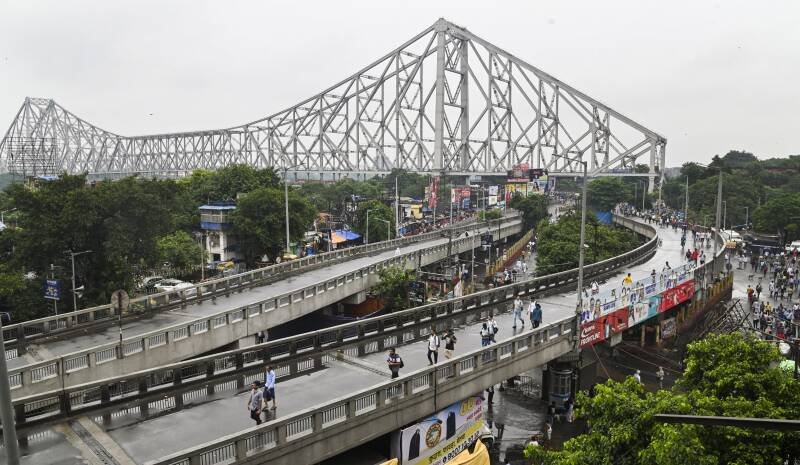
How Middle East Conflicts Impact Indian Foundries: A Deeper Look
Learn how tensions in the Middle East are affecting industries in India, specifically the Howrah foundry belt, causing fuel shortages, cargo delays, and economic strain. Our analysis and future outlook included.
The Ripple Effect: Middle East Tensions Squeeze Indian Foundries
The ongoing conflicts in West Asia, also known as the Middle East, are having a surprisingly direct impact on industries thousands of miles away. One such example is the foundry belt in Howrah, India, often referred to as the "Sheffield of the East." Reports indicate that the furnaces are cooling down faster than expected, signaling a slowdown in production. This is primarily due to disruptions in fuel supplies, tangled cargo routes, and increased workdays for already stretched-thin employees.
Howrah's Foundry Belt: A Brief Overview
Howrah's foundry belt is a crucial hub for manufacturing various metal products, contributing significantly to India's industrial output. Foundries in this region rely heavily on imported fuels and raw materials, making them vulnerable to global supply chain disruptions. The current instability in the Middle East is exacerbating these vulnerabilities.
Why This News Matters
The struggles faced by Howrah's foundries highlight the interconnectedness of the global economy. Conflicts in one region can have far-reaching consequences, impacting businesses and livelihoods across the world. This situation serves as a stark reminder of the importance of diversifying supply chains and building resilience against geopolitical risks. The reduced output can also lead to increased prices for consumers as supply becomes restricted.
Our Analysis
In our opinion, the current situation underscores the critical need for India to strengthen its domestic energy resources and diversify its import partners. Relying heavily on a single region for fuel leaves the country vulnerable to external shocks. Furthermore, the government should explore measures to support industries like the Howrah foundry belt during times of crisis, such as providing subsidies or facilitating access to alternative fuel sources.
The impact goes beyond just immediate production slowdowns. Prolonged disruptions could lead to job losses, reduced investment in the sector, and a decline in India's manufacturing competitiveness. This could impact India's growth story in the long run.
The Logistics Nightmare
One of the biggest challenges is the snarling of cargo routes. With increased security risks and insurance costs for ships passing through conflict zones, transportation times are increasing, and freight charges are soaring. This makes it more expensive for foundries to import essential materials and export finished products, further squeezing their profit margins.
Future Outlook
The future of Howrah's foundry belt, and indeed many other industries reliant on global supply chains, depends on how quickly and effectively the geopolitical tensions in the Middle East are resolved. If the conflicts escalate or become more protracted, the disruptions could worsen, leading to a more severe economic downturn in affected regions. We believe that the Indian government will need to play a proactive role in mitigating these risks.
Here are some potential future scenarios:
- Best-Case Scenario: A de-escalation of tensions leads to a normalization of trade routes and a stabilization of fuel prices.
- Worst-Case Scenario: The conflicts intensify, leading to further disruptions in supply chains and a prolonged economic slowdown.
- Likely Scenario: A period of continued uncertainty and volatility, requiring businesses to adapt and innovate to survive.
Potential Government Intervention
The Indian government could consider several measures to support the Howrah foundry belt and other affected industries:
- Providing financial assistance or subsidies to offset increased fuel costs.
- Facilitating access to alternative fuel sources, such as renewable energy.
- Investing in infrastructure to improve domestic transportation networks.
- Strengthening diplomatic efforts to promote stability in the Middle East.
Ultimately, the long-term solution lies in building a more resilient and diversified economy that is less vulnerable to external shocks. This requires strategic investments in domestic industries, infrastructure, and human capital. This could impact the global supply chain in the future. In our opinion the Indian economy needs to adapt to be self-reliant.