House Debates Worker Verification and Childcare Tax Credit Bills: What It Means For You
The House is debating bills on worker verification and childcare tax credits. Learn what these bills propose, why they matter, and what the future holds.
House Debates Bills on Worker Verification and Childcare Tax Credits: Key Takeaways
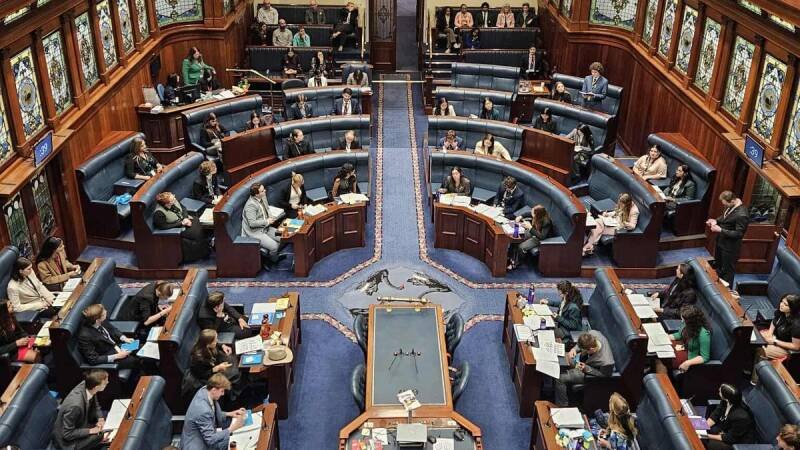
The House of Representatives is currently debating two significant bills: one focused on holding contractors accountable for employing unauthorized workers and the other aiming to establish a new childcare tax credit. Let's break down what these bills propose and what they could mean for American workers and families.
Bill 1: Contractor Accountability for Unauthorized Workers
This bill primarily targets the issue of unauthorized workers being employed by contractors. It proposes holding contractors liable if they knowingly hire individuals who are not authorized to work in the United States. This means contractors could face penalties, including fines and potential legal action, if they fail to properly verify the employment eligibility of their workers.
The goal is to create a stronger disincentive for companies to hire unauthorized workers, thereby ensuring that those who are legally authorized to work have better access to employment opportunities.
Bill 2: Childcare Tax Credit
The second bill focuses on providing financial relief to families by creating a new childcare tax credit. Details on the specifics of this credit are still emerging, but generally, it would allow families to deduct a portion of their childcare expenses from their taxes. This could significantly reduce the financial burden on working parents, making childcare more affordable and accessible.
This initiative aims to support working families, encourage labor force participation, and alleviate the rising costs associated with raising children. It is expected to be structured to benefit low-to-middle income families most substantially.
Why This News Matters
These bills are important because they address critical issues facing American society. The worker verification bill directly affects labor markets, aiming to level the playing field for authorized workers. Meanwhile, the childcare tax credit is designed to ease the financial pressures on families, potentially boosting economic activity and helping parents return to, or remain in, the workforce.
If enacted, these bills could have wide-ranging effects, from changing hiring practices to impacting household budgets. It is crucial to follow their progress closely.
Our Analysis
In our opinion, the bill on contractor accountability for unauthorized workers could lead to increased scrutiny of hiring practices and potentially impact certain industries that rely heavily on contracted labor. While this could create challenges for businesses, it could also lead to a more equitable labor market for authorized workers.
The proposed childcare tax credit, in our opinion, is a welcome step towards supporting working families. The high cost of childcare is a significant barrier for many parents, and this tax credit could make a real difference in their ability to afford quality care and participate in the workforce. It's critical that this credit is designed to reach the families who need it most.
However, we should also consider potential unintended consequences. Tighter worker verification measures could lead to labor shortages in some sectors. The details of the childcare tax credit, such as income limits and the amount of the credit, will be crucial in determining its effectiveness.
Future Outlook
The future of these bills hinges on the ongoing debates and negotiations within the House. It is likely that amendments will be proposed and compromises will need to be reached before either bill can pass. The Senate will also need to consider these bills if they pass the House.
This could impact the political landscape as well. Support or opposition to these bills could influence voters' perceptions of their representatives and affect future election outcomes.
It is essential for voters to stay informed and engage with their representatives to ensure that their voices are heard in these important legislative discussions. Look for continued coverage and expert analysis as these bills move through the legislative process.