High River Food Rescue: FoodConnexx Faces Funding Challenges
FoodConnexx, High River's crucial food rescue program, is facing an uncertain future due to unstable funding. Learn about the potential impact and what's at stake.
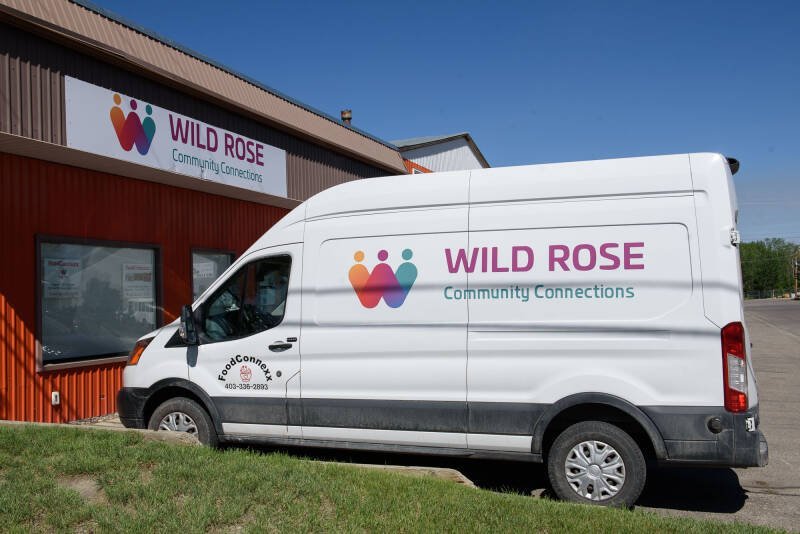



FoodConnexx, High River's crucial food rescue program, is facing an uncertain future due to unstable funding. Learn about the potential impact and what's at stake.
High River's FoodConnexx program, a vital resource in the community, is currently grappling with a significant challenge: its long-term sustainability. While the organization is managing to stay afloat thanks to generous donations, it's facing the very real possibility of closure without a reliable and predictable source of funding.
FoodConnexx is a food rescue program operating in High River, Alberta. Their mission is simple but crucial: to collect surplus food from local grocery stores, restaurants, and other businesses and redistribute it to individuals and families in need. This prevents perfectly good food from ending up in landfills, reduces food waste, and helps fight food insecurity within the community.
Currently, FoodConnexx relies heavily on donations to cover its operational costs. While these donations are appreciated and essential for keeping the doors open, they are not a sustainable long-term solution. The fluctuating nature of donations makes it difficult for the program to plan effectively, budget responsibly, and ensure that they can continue to provide this essential service to the community.
The potential closure of FoodConnexx would have a significant negative impact on High River. The program addresses two critical issues simultaneously: food waste and food insecurity. Without FoodConnexx, more food would likely end up in landfills, contributing to environmental problems. More importantly, vulnerable individuals and families would lose access to a vital source of nutritious food.
Consider the ripple effect: families struggling to put food on the table might face increased stress, impacting their health and well-being. Local grocery stores might face increased waste-disposal costs. The loss of this service would leave a tangible hole in the community safety net.
In our opinion, the situation highlights a broader problem in the non-profit sector: the reliance on inconsistent funding models. While donations are invaluable, they are often unpredictable, making it difficult for organizations like FoodConnexx to operate effectively and plan for the future.
This situation also showcases the importance of food rescue programs in addressing both food waste and food insecurity. FoodConnexx is not simply a charity; it's a vital part of the community's infrastructure that is essential for environmental and social well-being.
The local government and larger community need to explore alternative funding solutions, such as grants, sponsorships, or a combination of both. A sustainable funding model would allow FoodConnexx to continue its work and potentially even expand its reach to serve more people in need.
The future of FoodConnexx hinges on securing long-term, predictable funding. The organization will likely need to actively pursue various fundraising strategies, including grant applications, corporate sponsorships, and community events.
This could impact the community in the coming months. Without immediate and sustained support, the likelihood of the program curtailing services or, worst case, ceasing operation is a tangible risk.
Ultimately, the survival of FoodConnexx will depend on the collective effort of the community, local government, and businesses to recognize its value and provide the necessary support. We hope to see a collaborative approach emerge that ensures the long-term sustainability of this essential program.