The Tragic Story of David Kirwan: Yellowstone Hot Spring Death & Lessons Learned
Explore the heartbreaking story of David Kirwan, who died in Yellowstone's Celestine Spring trying to save a dog. Learn about the dangers of thermal areas and what we can learn from this tragedy.
The Heartbreaking Tale of David Kirwan and Yellowstone's Deadly Embrace
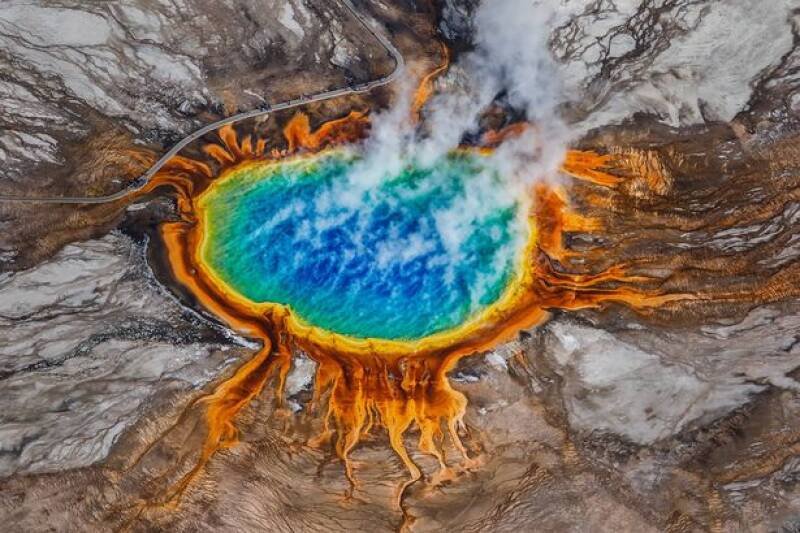
Yellowstone National Park, a wonderland of geysers, hot springs, and unique wildlife, also holds hidden dangers. One tragic incident, the story of David Alan Kirwan, serves as a stark reminder of the power and peril of these geothermal features. This is the story of what happened when a man jumped into a boiling hot spring to save a dog.
The Incident at Celestine Spring
In 1981, David Alan Kirwan visited Yellowstone with a friend and his friend's dog, Moosie. While near Celestine Spring, a thermal feature known for its incredibly high temperatures, Moosie managed to jump out of the car and run towards the pool. The dog then tragically fell into the superheated water.
Witnesses reported that Kirwan, despite repeated warnings from onlookers about the extreme heat, made the impulsive and ultimately fatal decision to enter the spring in an attempt to rescue Moosie.
The Aftermath
The water in Celestine Spring is dangerously close to boiling point. Sadly, David Kirwan died due to the severe burns he sustained in the scalding water. Moosie also died from the extreme temperatures.
Why This News Matters
The story of David Kirwan is more than just a tragedy; it's a crucial lesson in respecting the power and unpredictable nature of geothermal areas. Yellowstone's beauty masks inherent dangers. Hot springs are not swimming pools; they are geological features with temperatures that can cause severe burns or death in seconds. Understanding these risks is paramount for visitor safety.
This also highlights the emotional power of pets. Kirwan's actions, while tragic, show the deep bond people feel with their animals. The urgency he felt in that moment overrode rational thought, highlighting the need for clear, consistent safety protocols and awareness in areas where pets may be at risk.
Our Analysis
In our opinion, this tragedy underscores the importance of heeding warnings and acting rationally, even in emotionally charged situations. While the impulse to save a beloved animal is understandable, the potential consequences must be carefully considered. The onlookers' warnings were ignored, and a life was lost as a result.
The park service has a responsibility to clearly communicate the risks associated with thermal areas. While signs and barriers are in place, perhaps more innovative and impactful methods of conveying the danger are needed. Visual aids demonstrating the effects of scalding water, for example, could have a more lasting impact than simple text.
Future Outlook
The tragic death of David Kirwan has had a lasting impact on safety protocols at Yellowstone and other similar parks. Since the incident, efforts have been made to improve signage, increase ranger patrols, and educate visitors about the dangers of thermal areas. Despite these efforts, accidents, albeit less severe, still occur. Continued vigilance and innovation in safety communication are essential.
This could impact how parks manage visitors in high-risk areas. More stringent regulations, such as mandatory safety briefings for all visitors entering geothermally active zones, might be considered. Furthermore, advancements in monitoring technology could provide real-time data on water temperatures and other hazards, allowing for proactive measures to be taken to protect both humans and animals.
Ultimately, the legacy of David Kirwan should be one of increased awareness and respect for the power of nature. By learning from this tragedy, we can help ensure that others do not suffer a similar fate.