AIMA Streamlines Portugal Residence Permits: What It Means for Expats
AIMA, Portugal's immigration agency, is making changes to its residence permit system. Here's a breakdown of the improvements, what they mean for expats, and the future outlook.
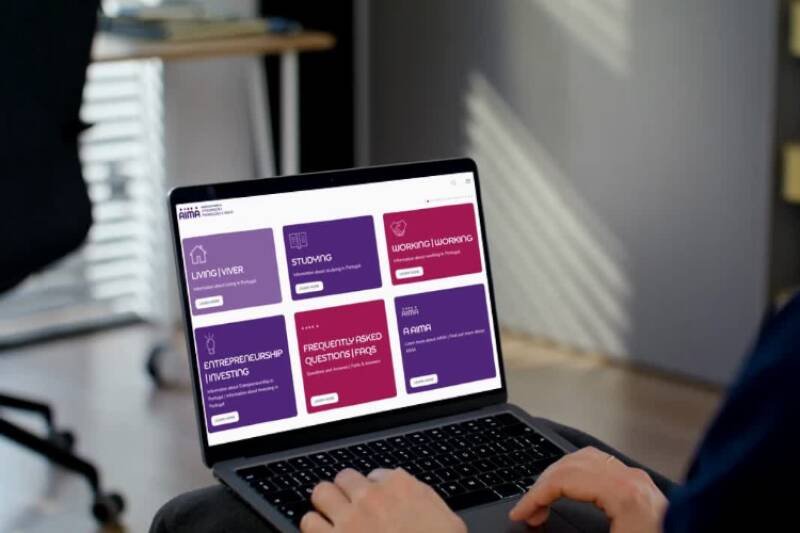



AIMA, Portugal's immigration agency, is making changes to its residence permit system. Here's a breakdown of the improvements, what they mean for expats, and the future outlook.
Portugal's immigration agency, AIMA (Agência para a Integração, Migrações e Asilo), is working to improve the country's residence permit system. After years of backlogs and inefficiencies, these changes offer a glimmer of hope for foreign nationals seeking to live and work in Portugal. The agency has announced a series of measures aimed at streamlining processes and tackling the significant delays that have plagued the system.
AIMA replaced the former SEF (Serviço de Estrangeiros e Fronteiras) in October 2023. It took over SEF’s administrative functions related to immigration, asylum, and border control. One of AIMA's primary goals is to address the existing backlog of residence permit applications and create a more efficient and transparent system.
AIMA is focusing on several key areas to improve the residence permit system:
These changes are crucial for attracting and retaining foreign talent, boosting the Portuguese economy, and ensuring fair treatment for all residents.
The improvement of the Portugal residence permit system directly impacts thousands of individuals and families seeking to live and work in Portugal. For prospective expats, a more efficient system translates to:
For businesses, a streamlined system means easier access to skilled labor, which is essential for growth and competitiveness. For Portugal, a well-functioning immigration system is crucial for attracting talent and investment, boosting the economy, and addressing demographic challenges.
In our opinion, AIMA's efforts to improve the residence permit system are a positive step in the right direction. The focus on digitalization and increased staffing is particularly encouraging. The previous backlogs created significant hardship for many applicants and damaged Portugal's reputation as a welcoming destination for foreign nationals.
However, the success of these improvements will depend on effective implementation and continued commitment from the Portuguese government. AIMA needs to ensure that the new digital systems are user-friendly and accessible to all applicants. It also needs to address the root causes of the previous delays, such as inadequate staffing and inefficient processes.
This could impact the Golden Visa program as well. A smoother, more efficient application process for other residency routes may reduce the reliance on the Golden Visa as the primary path to residency, promoting a more diversified immigration strategy.
The coming months will be critical for assessing the impact of AIMA's improvements. We expect to see:
Ultimately, the success of AIMA's efforts will depend on its ability to sustain these improvements over the long term. Continued investment in staffing, technology, and process optimization will be essential. AIMA must also be responsive to feedback from applicants and stakeholders and be willing to make adjustments as needed.
While challenges remain, AIMA's commitment to improving the Portugal residence permit system offers a reason for optimism. A more efficient and transparent system will benefit foreign nationals, businesses, and the Portuguese economy as a whole. We believe that if AIMA stays focused and committed, it can transform the immigration system and make Portugal an even more attractive destination for people from all over the world.
























