APS Pauses Disconnections During Extreme Heat: What You Need to Know
Arizona Attorney General forces APS to halt electricity disconnections during extreme heat. Understand your rights, the reasons behind this decision, and what it means for the future of energy affordability.
APS Agrees to Pause Electricity Disconnections During Extreme Heat in Arizona
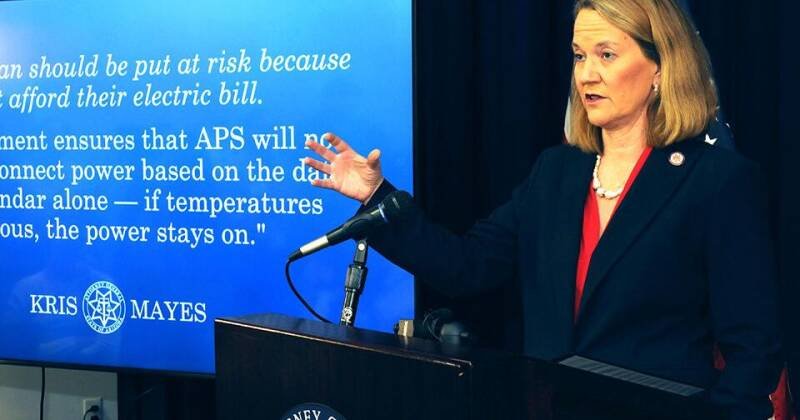
Arizona Public Service (APS), the state’s largest electric utility, has agreed to temporarily halt electricity disconnections for non-payment during days when temperatures are forecast to reach 95 degrees Fahrenheit or higher. This decision comes after pressure from Arizona Attorney General Kris Mayes, who invoked state consumer fraud laws to advocate for vulnerable residents.
What Happened?
Attorney General Mayes intervened, citing concerns that disconnecting power during extreme heat posed a significant risk to the health and safety of Arizonans, especially vulnerable populations like the elderly and those with medical conditions. Her office argued that disconnecting power under such conditions could be considered a deceptive or unfair business practice, violating state consumer fraud laws.
APS initially resisted, but ultimately agreed to the temporary suspension of disconnections during the hottest periods. This pause is intended to protect customers from the life-threatening consequences of losing access to air conditioning during Arizona's scorching summers.
Why This News Matters
This decision is significant for several reasons:
- Public Health and Safety: It prioritizes the well-being of Arizona residents, recognizing that access to electricity for cooling is a necessity, not a luxury, during extreme heat.
- Consumer Protection: It demonstrates the power of state consumer protection laws in safeguarding vulnerable populations from potentially harmful business practices.
- Energy Affordability Debate: It highlights the ongoing debate about energy affordability and the responsibility of utility companies to assist customers struggling to pay their bills.
Who Benefits?
This policy change primarily benefits:
- Low-income households
- Elderly individuals
- People with medical conditions requiring air conditioning
- Anyone struggling to pay their electricity bills during peak summer months.
Our Analysis
In our opinion, Attorney General Mayes' intervention was a necessary step to protect vulnerable Arizonans. While APS has various assistance programs available, the threat of disconnection during extreme heat is simply unacceptable. This action underscores the importance of regulatory oversight and the need for utility companies to prioritize the health and safety of their customers.
This move could also signal a shift in how the state views the role of utility companies. Are they simply businesses providing a service, or do they have a greater social responsibility, particularly during times of crisis like extreme heat? This decision suggests a growing expectation of the latter.
The Potential Downside
While the pause on disconnections is a positive development, it's crucial to acknowledge potential challenges. Some argue that suspending disconnections could lead to increased unpaid bills, potentially impacting APS's financial stability and, ultimately, electricity rates for all customers. However, we believe that these concerns can be addressed through robust assistance programs and responsible financial management.
Future Outlook
The long-term implications of this agreement are still unfolding. Here's what we can expect in the future:
- Permanent Policy Changes: This temporary agreement could lead to permanent policy changes regarding disconnections during extreme heat. Consumer advocates will likely push for legislation or regulatory action to codify this practice.
- Increased Focus on Energy Assistance Programs: The spotlight on affordability will likely lead to increased scrutiny and potential expansion of energy assistance programs for low-income residents.
- Debate on Rate Structures: We anticipate further discussions about electricity rate structures and whether they adequately address the needs of vulnerable populations during peak demand periods.
- Impact on other utilities: This agreement could set a precedent for other utility companies in Arizona and across the country facing similar extreme weather conditions.
This situation highlights the complex interplay between energy affordability, consumer protection, and public health. In our view, finding a sustainable solution that balances the needs of both utility companies and consumers is essential for ensuring a reliable and equitable energy future for all Arizonans. This could impact electricity access in the state as more stringent requirements could be made of APS.