Gas Prices Soar Amid Iran War: What It Means for You
Gas prices are skyrocketing due to the Iran War and the closure of the Strait of Hormuz. Learn why this is happening, how it affects you, and what the future holds.
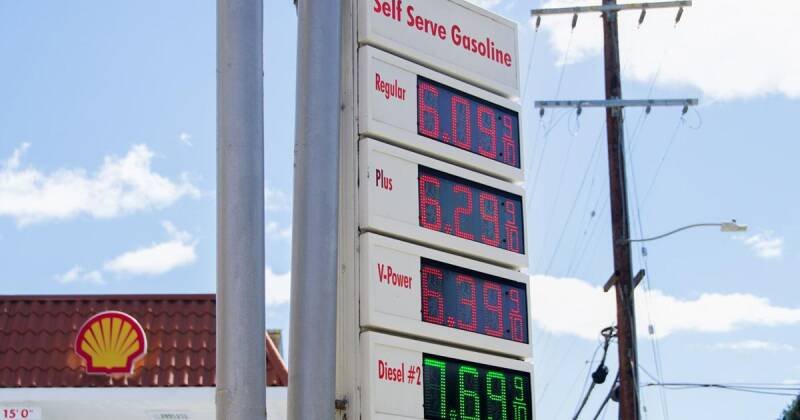



Gas prices are skyrocketing due to the Iran War and the closure of the Strait of Hormuz. Learn why this is happening, how it affects you, and what the future holds.
The ongoing Iran War has led to a significant disruption in global oil supply, causing gas prices in the United States to skyrocket. The critical Strait of Hormuz, a vital waterway for oil tankers, is currently closed, halting nearly 20% of the world’s oil supply.
The Strait of Hormuz is a narrow channel located between Oman and Iran, connecting the Persian Gulf to the Gulf of Oman and the Arabian Sea. It's one of the world's most strategically important choke points for oil transit. With the Strait closed due to the conflict, oil tankers cannot pass through, creating a massive bottleneck in the global supply chain. This immediate reduction in supply is driving prices up rapidly.
While the exact price increase varies depending on location, many areas are experiencing significantly higher prices at the pump. Some regions are seeing record-breaking increases within days, straining commuters' budgets and impacting transportation costs across various sectors.
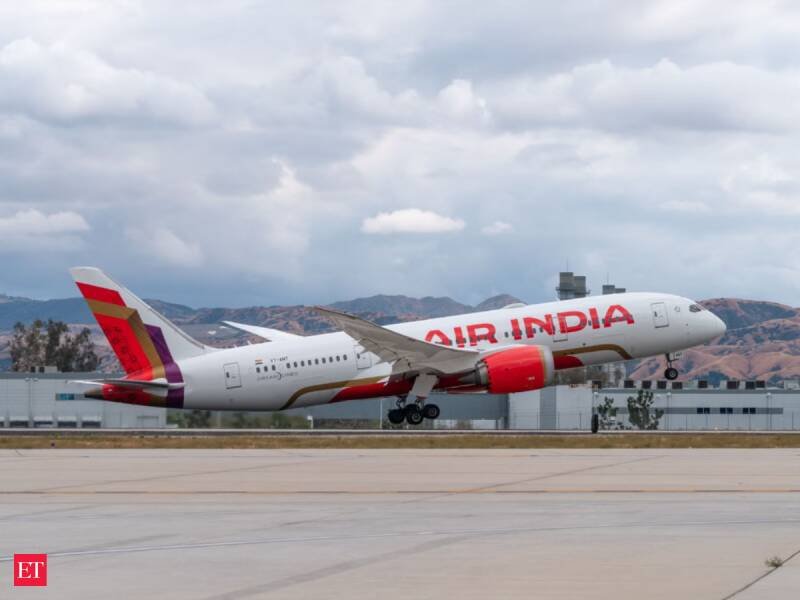
Rising gas prices have a cascading effect throughout the economy. They not only impact individual drivers but also businesses that rely on transportation, such as trucking companies, delivery services, and airlines. Increased transportation costs are often passed on to consumers in the form of higher prices for goods and services, contributing to inflation.
For commuters, this means less disposable income for other essentials. Businesses may face challenges maintaining profitability, potentially leading to job cuts or reduced investments. The ripple effect of soaring gas prices can significantly impact economic growth and stability.
In our opinion, the situation is likely to worsen before it improves. The closure of the Strait of Hormuz is a major geopolitical event with global economic consequences. The market is reacting to uncertainty and fear, driving prices higher than the actual supply shortage might initially warrant. Speculation also plays a significant role, as traders bet on future price movements, further amplifying the volatility.
This could impact lower-income individuals and families disproportionately, as they often spend a larger percentage of their income on transportation. Government intervention, such as releasing strategic oil reserves, might provide temporary relief but isn't a long-term solution. A swift resolution to the conflict in Iran is crucial to reopening the Strait of Hormuz and stabilizing the oil market.
The future of gas prices hinges on several factors:
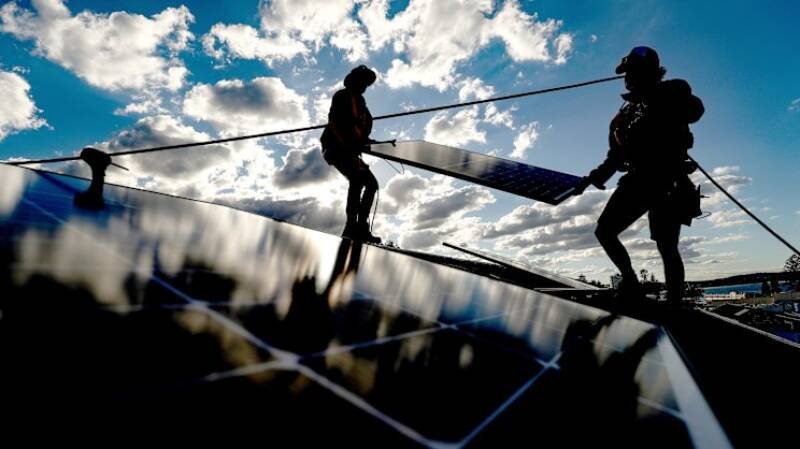
We anticipate increased discussion about alternative energy sources and a renewed focus on energy independence. The current crisis highlights the vulnerability of relying on a single region for a significant portion of the world's oil supply. This may spur innovation in renewable energy technologies and accelerate the transition towards a more sustainable energy future.
Ultimately, the situation remains highly fluid. Monitoring developments in the Iran War and tracking oil market trends is essential for understanding the future trajectory of gas prices. While predicting the exact price at the pump is impossible, understanding the underlying factors driving these increases can help individuals and businesses prepare for the potential economic impact.