Fraser Valley MLAs Face Criticism for Safe School Access Vote
Two Fraser Valley MLAs are under fire from the NDP caucus for voting against the Safe Access to Schools Act. Learn what the bill aims to do and why this vote is causing controversy.
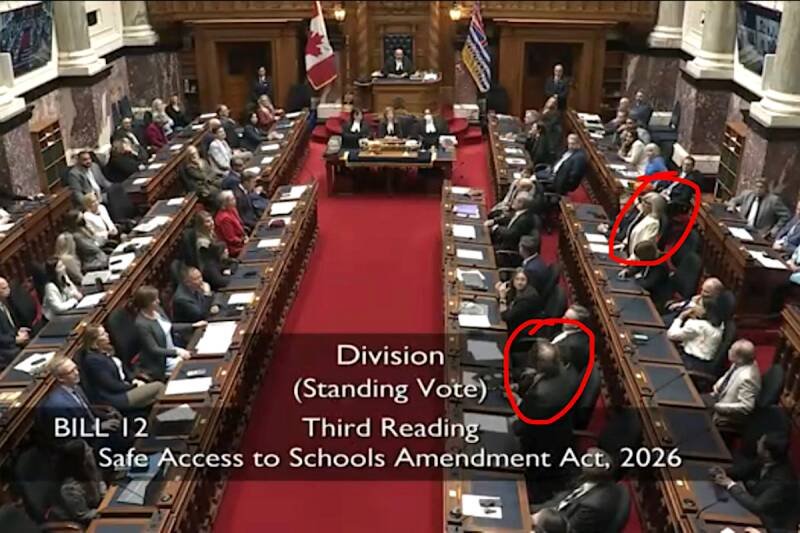



Two Fraser Valley MLAs are under fire from the NDP caucus for voting against the Safe Access to Schools Act. Learn what the bill aims to do and why this vote is causing controversy.
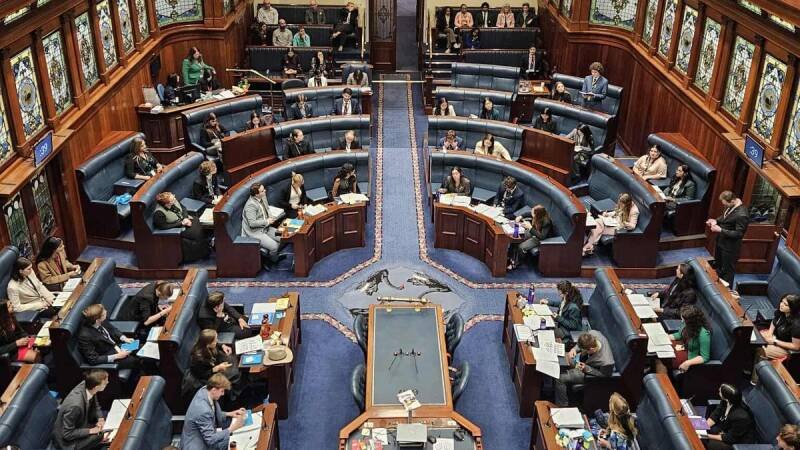
Two MLAs (Members of the Legislative Assembly) representing the Fraser Valley region in British Columbia are facing criticism from the ruling NDP (New Democratic Party) caucus for voting against the Safe Access to Schools Act. This bill aims to create buffer zones around schools, preventing protests and demonstrations that could disrupt learning and potentially harass students and staff.
The MLAs in question are facing internal pressure and public scrutiny for their decision, with many arguing that their vote goes against the core principles of protecting children and ensuring a safe learning environment.
The Safe Access to Schools Act, as proposed by the BC NDP government, seeks to establish "safe zones" around school properties. These zones would prohibit protests, demonstrations, and other disruptive activities within a specified distance (e.g., 20 meters) of school entrances and exits. The intention is to prevent situations where students, teachers, and other school staff are subjected to harassment, intimidation, or obstruction while trying to access school facilities.
The act stems from increasing instances of protests targeting schools, often related to COVID-19 mandates or other controversial issues. These protests have raised concerns about the safety and well-being of students and the disruption of educational activities.
According to the Education Minister, this bill is absolutely essential for protecting students and teachers from harassment and ensuring they can access education without fear or intimidation. The Minister argued that without such protections, students could be subjected to harmful rhetoric and disruptive behavior, undermining their learning experience.
This news is significant because it highlights the ongoing debate surrounding freedom of expression versus the need to protect vulnerable populations, particularly children. It raises questions about the appropriate balance between the right to protest and the responsibility to ensure a safe and conducive learning environment.
The vote also reveals divisions within the political landscape, even within the same party. It's a reminder that political decisions are often complex and influenced by a variety of factors, including personal beliefs, regional concerns, and party loyalty.
In our opinion, the Safe Access to Schools Act presents a difficult dilemma. On one hand, the right to protest is a fundamental democratic principle. Restricting protests, even near schools, could be seen as a limitation on free speech. On the other hand, the potential for harassment and disruption to students' education cannot be ignored.
The effectiveness of the Act will depend on how it is implemented and enforced. Clear guidelines are needed to define what constitutes a "disruptive activity" and to ensure that legitimate forms of peaceful expression are not unfairly restricted.
This controversy highlights the importance of engaging in thoughtful and respectful dialogue about the balance between individual rights and collective well-being. It's crucial to consider the potential impact of legislative actions on all stakeholders, including students, teachers, parents, and the broader community.
The outcome of this controversy could impact future legislation related to protests and freedom of expression in BC. If the Safe Access to Schools Act proves successful in protecting students without unduly restricting legitimate protest, it could serve as a model for other jurisdictions. However, if it faces legal challenges or leads to unintended consequences, it could prompt a re-evaluation of the government's approach.
We believe there will be ongoing debate about the appropriate limits on protests and the need to protect vulnerable populations. This issue is likely to remain a significant topic of discussion in the political arena for the foreseeable future.