Fly-tipping Crisis in Cork: Why Illegal Dumping is Worsening and What It Means
Cork's countryside is facing a growing fly-tipping problem. Explore the reasons behind the illegal dumping crisis, the impact, and what the future holds for waste management in Cork.
Fly-tipping Crisis in Cork: How Illegal Dumping is Defacing the Countryside
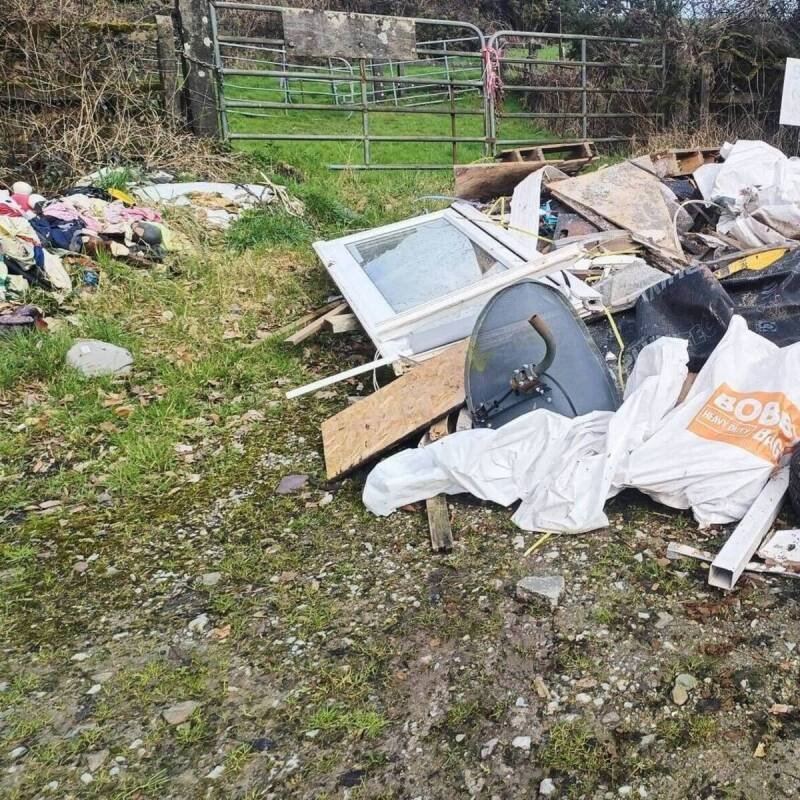
Cork's beautiful countryside is under siege. Fly-tipping, or illegal dumping, is on the rise, leaving a trail of unsightly waste and posing a serious threat to the environment. Despite efforts to combat it, the problem seems to be getting worse. This article explores the reasons behind the crisis, its impact, and potential solutions.
The Growing Problem of Illegal Dumping
Fly-tipping involves dumping waste illegally, ranging from household garbage to construction debris, in places that are not designated for waste disposal. In Cork, this is happening in rural areas, near roadsides, and even in waterways, spoiling the natural beauty of the region.
Why Is Fly-tipping on the Rise in Cork?
Several factors contribute to the fly-tipping problem in Cork:
- Rising Waste Volumes: With increasing populations and consumption, the amount of waste being generated is growing.
- Covert CCTV Delays: While CCTV can be a powerful deterrent, delays in deploying and utilizing it effectively hamper enforcement efforts.
- Weak Enforcement: Some believe that penalties for fly-tipping are not strong enough to discourage the practice, and enforcement is often inconsistent.
Why This News Matters
The fly-tipping crisis in Cork has significant consequences:
- Environmental Damage: Illegal dumping pollutes soil and water, harming wildlife and ecosystems.
- Health Risks: Fly-tipped waste can attract pests and spread diseases.
- Economic Costs: Cleaning up fly-tipped areas drains public resources that could be used for other essential services.
- Damage to Tourism: A littered landscape detracts from the region's natural beauty, potentially harming tourism.
Our Analysis
In our opinion, the fly-tipping crisis in Cork is a multifaceted problem that requires a comprehensive approach. While CCTV and increased fines are part of the solution, they are not enough. A more proactive strategy is needed, including:
- Improved Waste Management Infrastructure: Investing in better waste collection and recycling facilities can reduce the incentive to dump illegally.
- Public Awareness Campaigns: Educating the public about the environmental and health risks of fly-tipping can help change behavior.
- Community Involvement: Encouraging local communities to participate in clean-up efforts and report illegal dumping can increase accountability.
- Stronger Enforcement: Consistent and visible enforcement of anti-dumping laws can deter potential offenders.
The delays in utilizing CCTV are particularly concerning. Technology can be a powerful tool in catching offenders, but only if it is deployed effectively and the evidence is used to prosecute those responsible.
This could impact local businesses and residents who are forced to live alongside illegal dumpsites. It also tarnishes the image of Cork as a desirable place to live and visit.
Future Outlook
The future of waste management in Cork depends on addressing the underlying causes of fly-tipping. If current trends continue, the problem will likely worsen, leading to further environmental damage and economic costs. However, with a concerted effort, Cork can turn the tide and create a cleaner, healthier environment for all.
Here are some key areas to watch:
- Implementation of New Waste Management Strategies: Will Cork adopt innovative approaches to waste reduction and recycling?
- Investment in Enforcement Resources: Will the local authorities allocate sufficient resources to combat fly-tipping?
- Community Engagement: Will residents become more active in reporting illegal dumping and participating in clean-up efforts?
Ultimately, solving the fly-tipping crisis requires a collaborative effort involving local authorities, communities, and individuals. It's time for Cork to take decisive action to protect its countryside and ensure a sustainable future.