Dakota Access Pipeline Protest Lawsuit Settled: What it Means
A lawsuit over the Dakota Access Pipeline protests has been settled. Learn what happened, why it matters, and what the future holds.



A lawsuit over the Dakota Access Pipeline protests has been settled. Learn what happened, why it matters, and what the future holds.
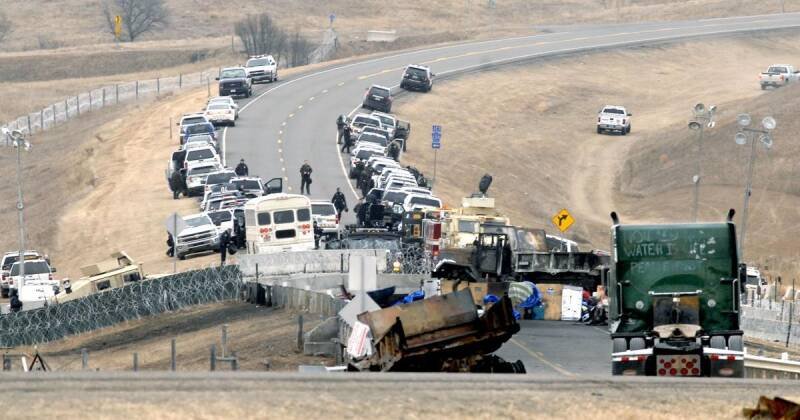
A long-standing legal battle stemming from the Dakota Access Pipeline (DAPL) protests in North Dakota has finally come to an end. A civil lawsuit, filed after the prolonged shutdown of a state highway during the protests, has been settled after 7.5 years. This marks the end of a significant chapter in the DAPL saga, a period marked by intense conflict and debate.
The lawsuit revolved around the extended closure of a state highway in south-central North Dakota. This shutdown was a direct consequence of the large-scale protests against the DAPL, which drew thousands of people to the area. The closure impacted local communities, businesses, and emergency services, leading to frustration and legal action.
While the news articles mentions the civil lawsuit ending with only one defendant, it fails to mention how it started or who the other entities were. The protests were met with heavy-handed security measures, including private security firms like TigerSwan. Accusations of excessive force, surveillance, and intimidation tactics were leveled against these firms. This security presence further fueled tensions and contributed to the extended highway shutdown and, ultimately, this lawsuit. We will provide more details in our analysis below.
This settlement carries significant weight for several reasons:
The settlement brings an end to a dispute stemming from the DAPL protests, but it doesn't resolve the underlying tensions. The use of companies like TigerSwan in suppressing protests raises serious ethical questions. In our opinion, the lawsuit highlighted the complex interplay between infrastructure development, environmental concerns, and the rights of Indigenous communities.
The legal filings, now ending with settlement, show several entities were originally named in the civil suit. These include Energy Transfer Partners (the company behind the DAPL), TigerSwan, and several protest organizers. Most if not all of these entities have been settled or dismissed from the case through the years. It's likely this final settlement involves a non-disclosure agreement preventing details from being released.
This also may mean that TigerSwan may no longer be involved in any way with the security of the DAPL. The role that TigerSwan played in the DAPL protests sparked widespread criticism due to their aggressive tactics. They were employed to gather information about protest organizers and their tactics, often using surveillance techniques that have been criticized as excessive. This could impact the future of private security firms being used in this way.
Looking ahead, this settlement could influence how similar conflicts are handled. We believe it underscores the need for:
This settlement, while marking the end of one chapter, serves as a reminder of the ongoing need for respectful and sustainable approaches to infrastructure development that prioritize the rights and well-being of all communities. The key moving forward is for greater transparency and meaningful engagement. This could impact future infrastructure project developments and the types of consultations required.
























