Conversion Therapy Bans Under Threat After Supreme Court Ruling: What It Means
The Supreme Court's recent ruling raises questions about the future of conversion therapy bans. We break down the implications and what it means for LGBTQ+ rights.



The Supreme Court's recent ruling raises questions about the future of conversion therapy bans. We break down the implications and what it means for LGBTQ+ rights.
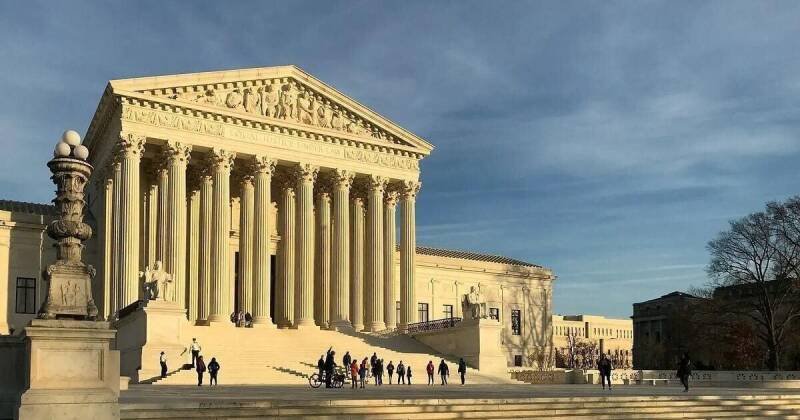
A recent Supreme Court decision is casting a shadow over laws banning "conversion therapy" in states like Illinois and Colorado, potentially weakening protections for LGBTQ+ individuals. The case involved a licensed counselor who argued that restrictions on conversion therapy violated her First Amendment right to free speech. The Supreme Court sided with the counselor, raising concerns about the constitutionality of these bans nationwide.
Conversion therapy refers to dangerous and discredited practices aimed at changing a person's sexual orientation or gender identity. Major medical and mental health organizations, like the American Psychological Association, have condemned it, citing its lack of scientific evidence and the significant harm it can inflict. This includes increased risk of depression, anxiety, and even suicide.
While the specifics of the Supreme Court case are complex, the core issue revolves around the balance between protecting individuals from harmful practices and upholding the principle of free speech. The counselor argued that the ban prevented her from expressing her professional opinions and providing counseling services according to her beliefs. The Court, in siding with her, has opened the door for legal challenges to conversion therapy bans based on First Amendment grounds.
The potential dismantling of conversion therapy bans is deeply concerning. If these laws are overturned, vulnerable LGBTQ+ individuals, especially minors, could be subjected to harmful and ineffective practices. This decision could have far-reaching consequences, potentially impacting similar laws across the country and undermining efforts to protect LGBTQ+ rights.
Conversion therapy has no proven benefits and can cause significant psychological and emotional damage. Protecting individuals from such harmful practices is crucial, and the legal challenges brought about by this Supreme Court ruling threaten that protection.
In our opinion, this ruling highlights the ongoing tension between religious freedom and LGBTQ+ rights. While freedom of speech is a fundamental principle, it should not be used to justify practices that are demonstrably harmful and lack scientific basis. The Court's decision seems to prioritize the counselor's right to express her beliefs over the well-being of vulnerable individuals seeking help. This could lead to a resurgence of conversion therapy and further marginalize the LGBTQ+ community.
The legal arguments surrounding conversion therapy bans are complex, but the underlying issue is simple: these practices are harmful and should be prohibited. Laws banning conversion therapy are not about suppressing free speech; they are about protecting individuals from dangerous and unethical practices.
The future of conversion therapy bans is now uncertain. We anticipate a wave of legal challenges to existing bans, particularly in states where the legal framework is similar to that of the case that reached the Supreme Court. This could result in a patchwork of laws across the country, with some states offering robust protections for LGBTQ+ individuals while others allow conversion therapy to continue.
This could impact the lives of LGBTQ+ individuals, particularly those seeking mental health services. It is crucial for individuals and organizations to stay informed about the legal landscape and advocate for policies that protect LGBTQ+ rights. Ultimately, the fight against conversion therapy is a fight for the well-being and dignity of all individuals, regardless of their sexual orientation or gender identity.
The next few months and years will be critical in determining the future of conversion therapy bans in the United States. The outcome will have a profound impact on the lives of LGBTQ+ individuals and the broader fight for equality and inclusion.