Closing the Gap: Local Leaders Address Black Maternal Health Crisis
Local health leaders are working to combat the Black maternal health crisis. Learn about the challenges, solutions, and future outlook.



Local health leaders are working to combat the Black maternal health crisis. Learn about the challenges, solutions, and future outlook.
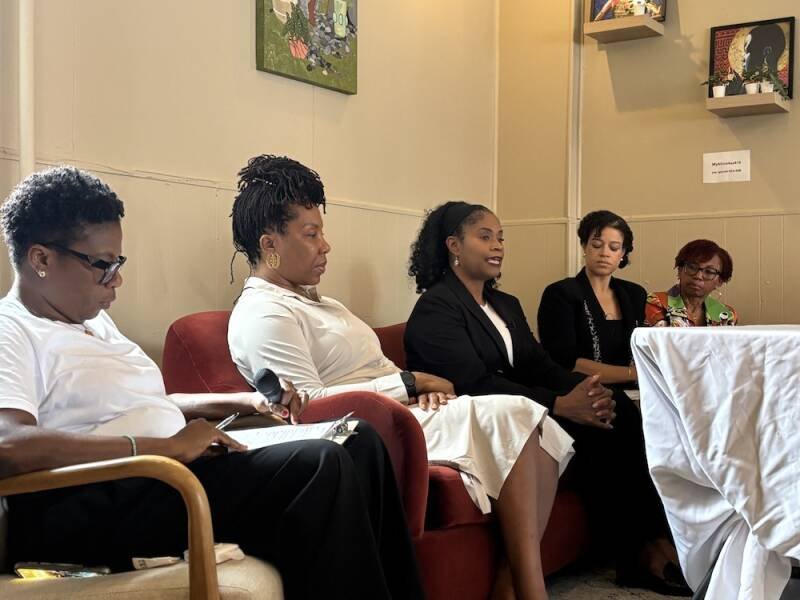
Black Maternal Health Week brought a crucial conversation to the forefront: the alarming disparities in maternal health outcomes for Black women. Leaders from health departments and public hospitals convened a panel to raise awareness and discuss solutions to this pressing issue.
The statistics are stark. Black women in the United States are significantly more likely to experience complications during pregnancy and childbirth, and tragically, are more likely to die from pregnancy-related causes than women of other racial and ethnic groups. This isn't just a health issue; it's a social justice issue that demands immediate attention.
The panel discussion, hosted by key figures in local health administration, served as a platform to highlight the systemic issues contributing to these disparities. These issues range from lack of access to quality healthcare and implicit bias in the medical system to socioeconomic factors and environmental injustices. The panel focused on identifying concrete steps that can be taken at the local level to improve outcomes.
The health and well-being of mothers is fundamental to the health of families and communities. The fact that Black women face significantly higher risks during pregnancy and childbirth is unacceptable. Addressing this crisis is not only a moral imperative, but also vital for creating a more equitable and just society. It highlights the need for systemic changes in healthcare and beyond.
In our opinion, the convening of this panel demonstrates a critical step towards acknowledging and addressing the Black maternal health crisis. While awareness is crucial, the real impact will depend on the implementation of effective and sustainable solutions. The issues are complex and multifaceted, requiring a comprehensive approach that addresses the social, economic, and healthcare-related factors that contribute to disparities. We believe that it's important to get the community involved and be active.
The success of these initiatives will rely on several key factors:
The focus on Black maternal health is gaining momentum, with increased attention from policymakers, healthcare providers, and community advocates. This heightened awareness presents an opportunity to drive meaningful change. However, sustained effort and commitment are needed to achieve lasting improvements.
This could impact healthcare policy as increased awareness often leads to policy changes. We anticipate seeing more initiatives and programs aimed at improving maternal health outcomes for Black women in the coming years. These may include increased funding for community-based programs, expanded access to healthcare services, and initiatives to address implicit bias in the medical system. Additionally, there will likely be greater emphasis on data collection and analysis to track progress and identify areas where further action is needed.
Ultimately, success hinges on creating a healthcare system that is equitable, accessible, and responsive to the needs of all women, regardless of their race or ethnicity.










![Karapadi Health Camp: A Lifeline After Months of Need | [Your Publication Name]](https://www.globalnewstoday.live/uploads/news/news_1777234516_Lb87XY.jpg)