Tire Tread Depth and Braking Distance: What You Need to Know
Learn how tire tread depth affects your braking distance and driving safety. Stay informed with our expert analysis and future outlook.
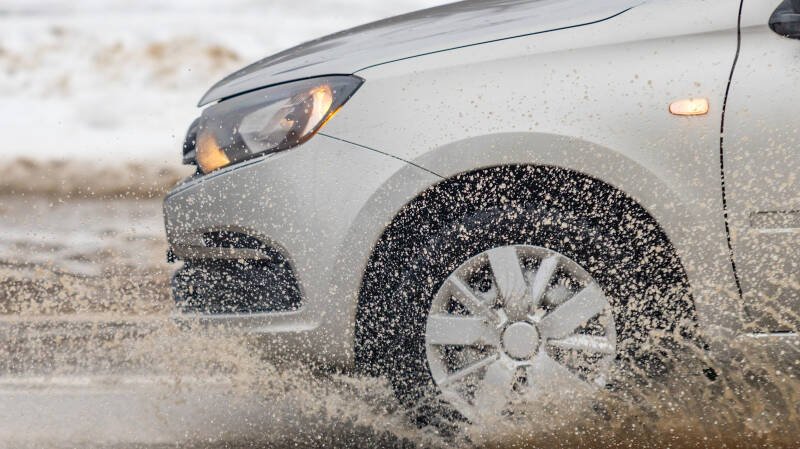



Learn how tire tread depth affects your braking distance and driving safety. Stay informed with our expert analysis and future outlook.
Your car's tires are the crucial link between your vehicle and the road. Maintaining them in good condition is paramount for safety. A key factor often overlooked is tire tread depth. This article explores how tire tread affects your braking distance and overall driving safety.
Tire tread refers to the patterned grooves on the tire's surface. These grooves are designed to channel water away from the tire, ensuring good contact with the road, especially in wet conditions. New tires typically have a tread depth of around 10/32 of an inch. As you drive, the tread wears down.
Worn tire treads significantly increase your braking distance, particularly in wet weather. Here's why:
Imagine trying to stop quickly in the rain with worn tires. The water won't be channeled away properly, and your car could easily skid, increasing the stopping distance substantially. This is a dangerous situation to be in!
This information is vital for all drivers. Understanding the link between tire tread and braking distance can save lives. Many drivers are unaware of how drastically worn tires impact their car's stopping ability, especially in wet conditions. Regular tire checks and timely replacements are essential for road safety.
Ignoring tire maintenance, especially tread depth, is like playing Russian roulette with your safety and the safety of others on the road.
In our opinion, the importance of tire tread depth is often underestimated. While drivers might focus on things like engine performance or aesthetics, the condition of their tires is a fundamental safety aspect. Government regulations and tire manufacturers recommend specific tread depth minimums, but it's best practice to replace tires before they reach that minimum, especially if you frequently drive in wet or snowy conditions. We believe proactive tire maintenance is key to safe driving.
The difference in braking distance between new and worn tires can be staggering. Studies have shown increases of 30%, 50% or even more, depending on the road conditions and the degree of wear. This could impact the severity of an accident, or even prevent one altogether.
Checking your tire tread depth is simple. Here are two methods:
Advancements in tire technology are focusing on developing tires that maintain performance even as they wear. Some manufacturers are experimenting with tread patterns that evolve as the tire wears down, maintaining water dispersion capabilities. Furthermore, the increasing prevalence of sensor technology in vehicles could lead to systems that automatically monitor tire tread depth and alert drivers when replacement is needed.
In the future, we anticipate stricter regulations regarding tire safety and more widespread adoption of tire pressure monitoring systems (TPMS) that can also track tread wear indirectly. This could lead to safer roads for everyone.
























