India's Pharma Revolution: Innovation to Dominate Global Market
Explore India's ambitious plan to lead the global pharmaceutical industry through innovation, driven by government initiatives and private sector growth. Understand the implications for healthcare and the economy.
India's Pharma Revolution: Innovation to Dominate Global Market
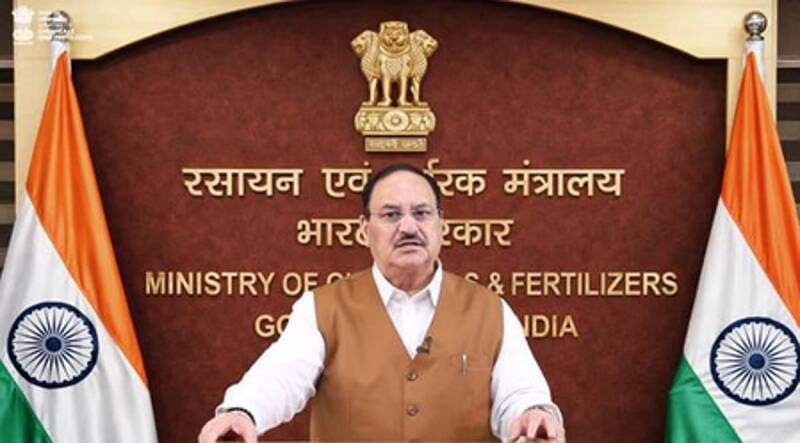
India is setting its sights high: to become the undisputed leader in the global pharmaceutical industry. This ambition, voiced by a government minister, hinges on a strategic shift towards innovation, moving beyond its traditional strength in generic drug manufacturing.
A Shift from Generics to Innovation
For years, India has been known as the "pharmacy of the world," primarily due to its robust production of affordable generic medications. These drugs have been vital in treating diseases across the globe, especially in developing countries. However, the government now envisions a future where India is not just replicating existing drugs but also developing groundbreaking new treatments.
Government Support Fuels Growth
The government is actively fostering this transformation through supportive policies, funding for research and development (R&D), and streamlined regulatory processes. This includes initiatives like promoting collaboration between academia, industry, and research institutions.
Why This News Matters
This news is significant for several reasons:
- Global Healthcare Access: If India succeeds in developing innovative drugs, it could lead to new treatments for diseases that currently lack effective therapies, potentially benefiting patients worldwide.
- Economic Growth: A thriving innovative pharma sector will create high-skilled jobs, attract foreign investment, and boost India's overall economic growth.
- Geopolitical Influence: Leadership in pharmaceuticals will give India greater influence in global health policy and international trade.
Our Analysis
In our opinion, India's ambition is both achievable and necessary. While its generic drug industry has been a success story, relying solely on it limits the sector's potential. Innovation is crucial for long-term sustainability and global competitiveness.
The government's commitment to supporting R&D is a positive step. However, significant challenges remain. These include:
- Strengthening Intellectual Property Protection: A robust system is needed to protect the investments made by innovative companies.
- Improving Infrastructure: World-class research facilities and skilled personnel are essential.
- Streamlining Regulatory Approvals: The process for bringing new drugs to market needs to be efficient and transparent.
Harnessing the Power of Ayush
The traditional Indian medicine system, Ayush (Ayurveda, Yoga & Naturopathy, Unani, Siddha, and Homeopathy), is also being integrated into this innovation-driven approach. The government sees potential in combining traditional knowledge with modern science to develop novel therapeutic solutions. This could lead to the discovery of new drug candidates or the validation of existing Ayush treatments through rigorous scientific studies.
Future Outlook
The next few years will be critical in determining whether India can successfully transition to a global leader in pharmaceutical innovation. We anticipate:
- Increased R&D Spending: Both government and private sector investments in pharmaceutical research will rise significantly.
- Strategic Partnerships: Indian companies will increasingly collaborate with international firms to access advanced technologies and expertise.
- New Drug Approvals: We expect to see a growing number of new drugs developed and manufactured in India receiving regulatory approval.
This could impact the availability of crucial medications worldwide. A successful shift toward innovation will solidify India's position as a global healthcare powerhouse and contribute significantly to the health and well-being of people around the world.