Bubonic Plague Case Confirmed in Arizona: Understanding the Risk and What It Means
A case of bubonic plague has been confirmed in Arizona. Learn about the risks, symptoms, treatment, and what this means for public health.



A case of bubonic plague has been confirmed in Arizona. Learn about the risks, symptoms, treatment, and what this means for public health.
A case of bubonic plague has been confirmed in Apache County, Arizona. This is the first reported case in the area in over a decade. The Apache County Public Health Services District is working to inform the public and take necessary precautions.
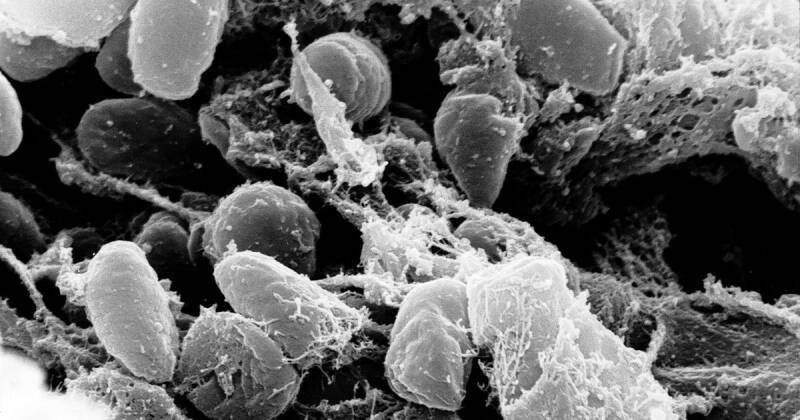
Bubonic plague is a bacterial infection caused by Yersinia pestis. It's a zoonotic disease, meaning it spreads from animals to humans. Historically, it's infamous for causing the Black Death in the Middle Ages. Thankfully, it's now treatable with antibiotics.
The bacteria primarily live in rodents, such as prairie dogs, squirrels, and mice. It spreads to humans through the bites of infected fleas that have fed on these animals. Direct contact with infected animal tissue can also transmit the disease, although this is less common.
Symptoms usually appear within 2 to 7 days after exposure. Key symptoms include:
Early diagnosis and treatment are crucial. If you experience these symptoms, especially after potential exposure to rodents or fleas, seek immediate medical attention.
Bubonic plague is treatable with antibiotics. Common antibiotics used include streptomycin, gentamicin, doxycycline, and ciprofloxacin. The earlier treatment begins, the better the chance of a full recovery. Untreated bubonic plague can be fatal.
While a single case may seem insignificant, it highlights the ongoing presence of bubonic plague in certain regions of the United States, particularly the Southwest. It serves as a reminder that even diseases thought to be confined to history can still pose a risk. This news underscores the importance of public health surveillance, preventative measures, and awareness.
The confirmation of this case emphasizes the need for residents in affected areas, and those visiting them, to take precautions to avoid contact with rodents and fleas. Education and awareness are critical to preventing further cases.
In our opinion, the prompt response by the Apache County Public Health Services District is commendable. Public health officials are actively investigating the source of the infection and taking steps to prevent further spread. This includes educating the public about preventative measures and providing information on how to recognize and respond to potential symptoms.
The fact that this is the first case in over a decade in the area suggests that previous prevention strategies have been effective. However, the emergence of a new case means that these strategies need to be continuously evaluated and adapted to ensure ongoing protection. We believe heightened vigilance is necessary.
The future outlook depends heavily on the effectiveness of ongoing public health efforts. Continued surveillance, public education, and prompt treatment of suspected cases are essential. This could impact local tourism, depending on the spread. It's also important to monitor rodent populations and implement control measures where necessary.
Climate change could also play a role in the long-term spread of bubonic plague. Changes in temperature and rainfall patterns can affect rodent populations and their distribution, potentially increasing the risk of human exposure. In our opinion, understanding these environmental factors is crucial for developing effective prevention strategies in the future.
Looking ahead, advancements in diagnostic testing and treatment options could also improve outcomes for individuals infected with bubonic plague. Research into new vaccines and preventative measures is also warranted to further reduce the risk of future outbreaks.