Ben Shapiro Defends Trump: Why It Matters and What's Next
Ben Shapiro downplays criticism of Trump by podcasters like Tucker Carlson, Megyn Kelly, and Alex Jones. Our analysis explores the implications of this defense and what it means for the conservative movement.
Ben Shapiro Defends Trump, Dismisses Podcast Host Criticism
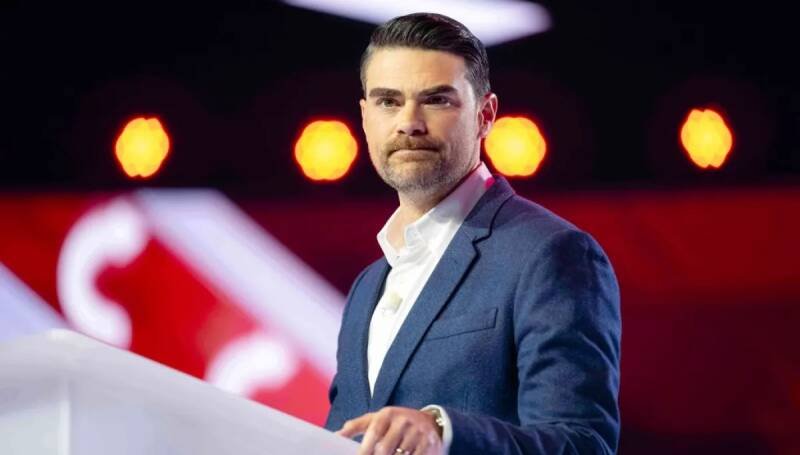
Ben Shapiro, founder of The Daily Wire, has publicly defended former President Donald Trump against criticism coming from certain podcast hosts and commentators. The controversy arose after Trump himself singled out figures like Tucker Carlson, Megyn Kelly, Alex Jones (Infowars), and Candace Owens for what he perceived as negative commentary, particularly regarding U.S. policy toward Iran. Trump went as far as to label these commentators as having "Low IQs." Shapiro's response suggests he doesn't view this criticism as a significant threat to Trump's position or the broader conservative movement.
Shapiro's Stance: It's Not a 'Major Issue'
According to reports, Shapiro characterized the podcast hosts in question as having "fringe" audiences and implied their critiques of Trump's policies don't carry significant weight. This signals an attempt to downplay any potential fracturing within the right-leaning media landscape.
Why This News Matters
This seemingly isolated incident highlights a deeper tension within the conservative movement. While many prominent figures remain staunch Trump supporters, others are increasingly willing to voice dissenting opinions, particularly on foreign policy. Shapiro's defense of Trump underscores the ongoing effort to maintain unity within the Republican party and prevent any significant erosion of support for the former president. It also demonstrates how carefully various conservative commentators tread when criticizing the former president.
Our Analysis
In our opinion, Shapiro's response is a calculated move. He's likely trying to prevent a wider rift within the conservative media ecosystem. While figures like Carlson and Kelly may have significant followings, their influence within the core Trump base is debatable. By dismissing their criticism as coming from "fringe" voices, Shapiro attempts to minimize their potential impact.
This also raises questions about the evolving role of conservative media. Are these outlets merely echo chambers for the Republican party line, or are they becoming platforms for genuine debate and dissent? The answer likely lies somewhere in between, with different outlets catering to different segments of the conservative electorate.
The criticism of Trump by some, such as Alex Jones, may have more to do with Trump's perceived deviation from certain pre-election promises or alignment with establishment views on specific issues. It's a complex dance of loyalty, ideology, and personal brand management.
Future Outlook
This situation could impact the 2024 election cycle. If significant voices on the right continue to question Trump's policies or leadership, it could create opportunities for alternative candidates to emerge. A fragmented conservative media landscape could also make it harder for Trump to control the narrative and mobilize his base.
Here are a few potential scenarios:
- Scenario 1: Continued Division: If the criticism of Trump grows louder and more widespread, we could see a genuine split within the Republican party, potentially leading to a contested primary in 2024.
- Scenario 2: Reconciliation: Trump and his allies could attempt to mend fences with dissenting voices, perhaps by adopting some of their policy preferences or offering them prominent roles in his campaign.
- Scenario 3: Business as Usual: The criticism remains limited to a handful of outlets, and Trump retains his dominance within the Republican party.
Ultimately, the future of the conservative movement depends on its ability to reconcile these competing viewpoints and present a united front to the American public.