BC Schools Need More Space: Premier Eby Highlights Growing Demand
Premier Eby visits West Kelowna, highlighting the urgent need for more schools in British Columbia due to rapid population growth. Learn about the plans and potential impact.



Premier Eby visits West Kelowna, highlighting the urgent need for more schools in British Columbia due to rapid population growth. Learn about the plans and potential impact.
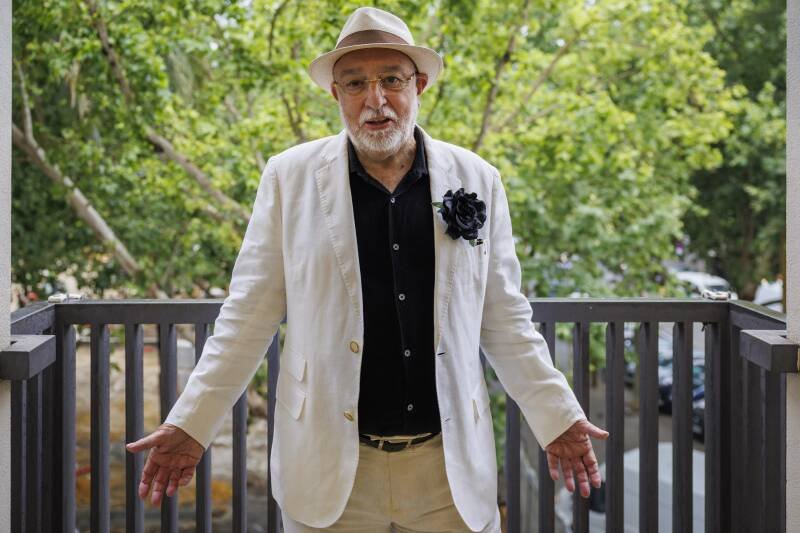
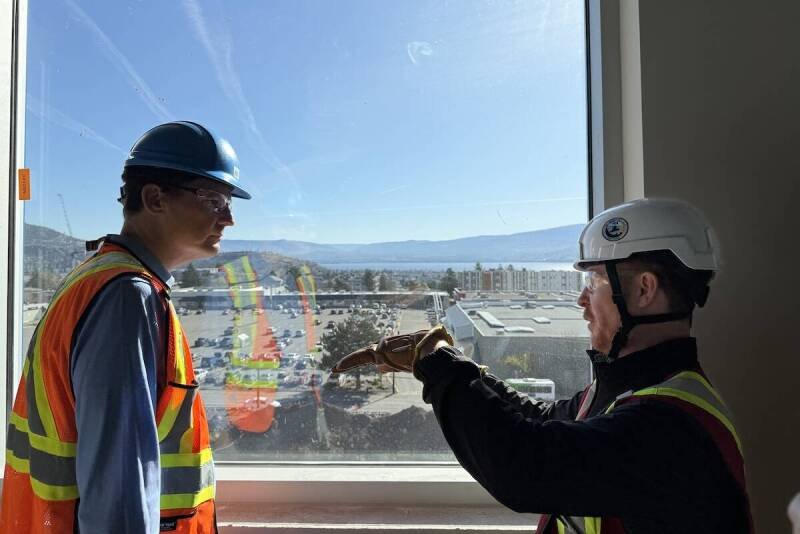
Premier David Eby recently visited West Kelowna, British Columbia, to tour the future site of George Pringle Secondary School. This visit underscored a growing concern across the province: the need for more schools to accommodate a rapidly increasing population.
West Kelowna, like many communities in BC, is experiencing significant population growth. This surge in residents places a strain on existing infrastructure, particularly schools. The planned George Pringle Secondary is intended to alleviate some of this pressure, providing much-needed classroom space for local students.
While the visit focused on West Kelowna, the Premier's remarks highlighted the broader provincial issue. BC is attracting new residents at a rapid pace, and ensuring adequate educational facilities is crucial for supporting families and maintaining a high quality of life. This requires strategic planning, significant investment, and a commitment to building schools in areas where they are most needed.
The need for more schools in BC is not just a local issue; it's a provincial challenge with far-reaching implications. Without sufficient school capacity, students may face overcrowded classrooms, limited access to resources, and potential delays in their education. This can negatively impact their academic performance and future opportunities.
Furthermore, the availability of quality education is a key factor for families considering where to live. Failing to address the school shortage could deter families from moving to BC, potentially impacting the province's economy and long-term prosperity. Therefore, this issue has implications on multiple fronts.
In our opinion, Premier Eby's visit to West Kelowna served as a vital reminder of the challenges posed by rapid population growth. While the government's commitment to building new schools is commendable, the pace of construction needs to keep up with the ever-increasing demand. Simply put, more action is needed.
Investing in education is an investment in the future. Prioritizing school construction and ensuring adequate funding for educational resources should be a top priority for the provincial government. This includes addressing not just the number of schools but also the quality of education provided, teacher-to-student ratios, and access to support services.
The future outlook for BC's school system depends heavily on the government's ability to address the current capacity challenges proactively. Several factors will play a crucial role:
This could impact the province's economic growth. If BC doesn't address the school shortage, it risks losing families to other provinces with better educational infrastructure. Conversely, effectively managing this challenge could enhance BC's attractiveness as a place to live and raise a family, further boosting the economy. It all comes down to careful management and the correct allocation of resources.
Ultimately, the success of BC's education system hinges on a collaborative effort involving the government, educators, parents, and the community. By working together, they can ensure that all students have access to the high-quality education they deserve.