165 Children Rescued from Train in India: Trafficking Concerns
Indian authorities rescued 165 children from a train in Katni, raising serious concerns about child trafficking. Learn more about the rescue, the implications, and the future outlook.



Indian authorities rescued 165 children from a train in Katni, raising serious concerns about child trafficking. Learn more about the rescue, the implications, and the future outlook.
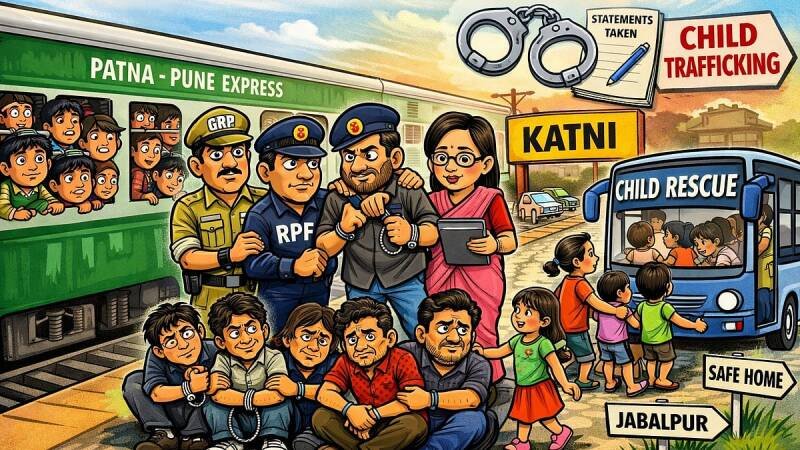
In a concerning incident in Katni, Madhya Pradesh, India, authorities rescued 165 children from the Patna-Pune Express. The children were reportedly being transported to Mumbai. This operation, conducted by a joint team of the Government Railway Police (GRP), the Railway Protection Force (RPF), and child welfare officials, highlights the ongoing challenges of child trafficking in the region.
Following the rescue, seven individuals believed to be acting as handlers were detained by the police. They face charges related to human trafficking, a serious crime that exploits vulnerable individuals, particularly children. The authorities are currently investigating the full extent of their involvement and the intended destination of the children in Mumbai.
The rescued children have been temporarily moved to children's homes in Katni and Jabalpur, ensuring their immediate safety and well-being. They will receive necessary care and support while the authorities gather more information about their backgrounds and the circumstances that led them to be on the train. Detailed statements will be taken from each child to understand the situation fully and to identify potential victims of trafficking.
This incident is a stark reminder of the persistent problem of child trafficking in India. It highlights the vulnerabilities faced by children from marginalized communities who are often lured with false promises of a better life but end up being exploited for labor or other illegal activities. This rescue underscores the importance of vigilance and coordinated efforts by law enforcement, child welfare organizations, and the community at large.
Child trafficking is a global issue, and India remains a significant source, transit, and destination country. Addressing this problem requires a multi-faceted approach, including strengthening law enforcement, raising awareness among vulnerable populations, and providing education and economic opportunities to prevent children from falling prey to traffickers.
In our opinion, the successful rescue operation demonstrates the effectiveness of inter-agency collaboration. The coordinated effort between the GRP, RPF, and child welfare officials was crucial in intercepting the potential trafficking attempt. However, this also begs the question of how such a large group of children managed to travel such a distance without raising suspicion earlier. This suggests potential gaps in monitoring and security along railway routes.
The fact that the children were headed to Mumbai, a major economic hub, suggests that they were likely being trafficked for labor. Mumbai is known to have industries that exploit vulnerable populations, including child labor. This could impact the city if the root causes of these problems aren't addressed and policies are not implemented to protect these children.
The detention of the seven handlers is a positive step, but it's crucial that the investigation delves deeper to uncover the entire trafficking network, including those who orchestrate and profit from this heinous crime.
Moving forward, increased vigilance at railway stations and other transportation hubs is essential. This should include enhanced training for law enforcement and railway personnel to identify potential trafficking victims. We believe there is a strong need for increased public awareness campaigns, especially in vulnerable communities, to educate families about the risks of trafficking and how to protect their children.
The long-term well-being of the rescued children must be a priority. They will require comprehensive rehabilitation services, including counseling, education, and vocational training, to help them reintegrate into society and break the cycle of poverty and exploitation. This could impact these children for the better if done effectively.
Ultimately, tackling child trafficking requires a sustained and coordinated effort from the government, law enforcement, NGOs, and the community. Strengthening legal frameworks, improving law enforcement capacity, and addressing the underlying socio-economic factors that make children vulnerable are all crucial steps in combating this pervasive problem. This will also require long term policies to protect children and reduce poverty.