10 Meat Buying Mistakes to Avoid: Expert Tips for Grocery Shopping
Avoid common pitfalls in the meat aisle! Learn expert tips for choosing the freshest, safest, and most cost-effective meat. Save money and stay healthy with our guide.
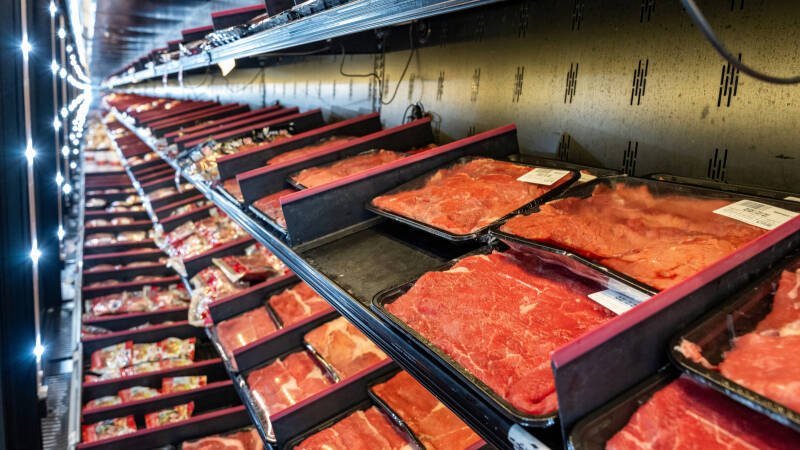



Avoid common pitfalls in the meat aisle! Learn expert tips for choosing the freshest, safest, and most cost-effective meat. Save money and stay healthy with our guide.
Navigating the meat aisle can feel like a minefield. Choosing the right cut, ensuring freshness, and getting the best value requires knowledge and attention. We've consulted experts to identify ten common mistakes people make when buying meat, so you can avoid these pitfalls and make smarter choices at the grocery store.
It seems obvious, but it's crucial. Always check the "sell by" or "use by" dates. These dates are indicators of quality, not necessarily safety, but choosing the freshest possible meat ensures the best flavor and shelf life. Don't grab the first package you see; reach for the one with the latest date in the back.
Damaged packaging can compromise the meat's safety and quality. Look for tears, punctures, or excessive liquid in the package. These could indicate the meat has been exposed to air or bacteria. If you see anything suspicious, choose a different package or ask a store employee for assistance.
The color of meat can tell you a lot about its freshness. Beef should be a bright, cherry-red color. Poultry should be pinkish-white. Pork should be pinkish-gray. Discoloration, especially a brownish or grayish tint, can signal that the meat is starting to spoil. However, remember that some packaged meat can appear darker due to lack of oxygen – ask the butcher for guidance.
Trust your nose! Fresh meat should have a faint, neutral odor. A sour or ammonia-like smell is a major red flag and indicates spoilage. Don't hesitate to give the meat a sniff before you buy it, especially if you have any doubts about its freshness.
Understanding different cuts of meat is essential for choosing the right one for your recipe and budget. Tenderloin is expensive but tender, while chuck roast is tougher but flavorful and more affordable for slow cooking. Research your recipes and choose cuts that suit your needs. This will save you money and ensure better cooking results.
Planning your meals in advance helps you avoid buying too much meat, which can lead to spoilage and waste. Consider how many people you're cooking for and the size of the portions you need. Conversely, don't underestimate. A slightly larger piece can provide leftovers for lunch the next day.
Fat content impacts both flavor and cooking method. Lean cuts are great for grilling and roasting, while fattier cuts are better for braising and slow cooking. Consider your dietary needs and preferences when choosing meat. Remember, some fat is necessary for flavor, but too much can be unhealthy.
If you're buying meat from a refrigerated display case, make sure the temperature is cold enough. The meat should feel cold to the touch. If it feels warm or room temperature, it may not be stored properly. Report it to store staff, but avoid the item in question.
Once you get your meat home, proper storage is crucial for preventing spoilage. Store meat in the coldest part of your refrigerator, typically the bottom shelf. Use it within a day or two, or freeze it for longer storage. Wrap meat tightly to prevent freezer burn.
Keep an eye out for sales and markdowns. Stores often mark down meat that is nearing its "sell by" date. This can be a great way to save money, but only buy marked-down meat if you plan to cook it within a day or two. Freezing it immediately is also a good option.
These tips empower consumers to make informed decisions about their meat purchases, resulting in safer, healthier, and more economical grocery shopping experiences. Avoiding these mistakes reduces food waste, saves money, and protects against foodborne illnesses. It's about being a responsible and knowledgeable consumer.
In our opinion, the most critical aspect of meat buying is understanding food safety. Checking expiration dates, packaging integrity, and smell are paramount to preventing illness. This information highlights the importance of being an engaged and proactive shopper. While some tips focus on optimizing flavor and budget, the foundation lies in ensuring the meat is safe for consumption. This could impact the number of people that get food poisoning each year.
Looking ahead, we anticipate increased consumer awareness of sustainable meat sourcing and animal welfare. Shoppers will likely demand more transparency from meat producers and retailers regarding farming practices and environmental impact. Furthermore, innovations in meat packaging, such as modified atmosphere packaging (MAP), will likely extend shelf life and improve meat quality. The rise of plant-based alternatives is also likely to influence the meat market, pushing for greater affordability and accessibility of these options. This will mean a change in the way meat is sourced, packaged and consumed in the future.