Yaqui Ridge Trail Closure: Border Wall Construction Disrupts Coronado National Memorial
The Yaqui Ridge Trail at Coronado National Memorial is closed for border wall construction, potentially for over a year. Learn about the impact and future outlook.
Yaqui Ridge Trail Closed: Border Wall Construction Disrupts Coronado National Memorial
The popular Yaqui Ridge Trail within the Coronado National Memorial is currently closed to the public. This closure is directly related to the construction of a new border barrier along the U.S.-Mexico border. Officials have stated that the trail will remain closed for an extended period, potentially exceeding a year, due to the ongoing construction and blasting activities.
What's Happening?
Construction crews are actively working to erect a new section of the border wall. This process involves heavy machinery, significant ground disturbance, and, crucially, blasting to level the terrain. Blasting presents safety concerns for hikers and visitors, prompting the National Park Service to close the trail to ensure public safety.
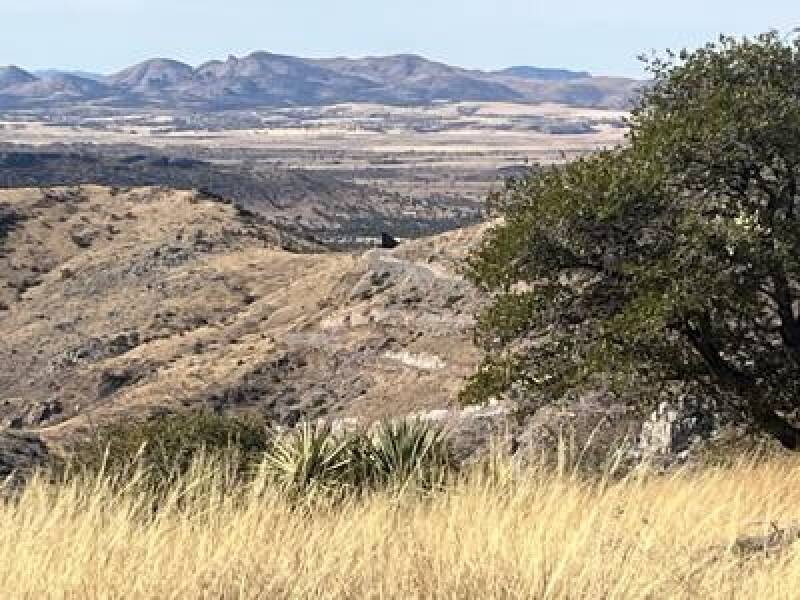
The Coronado National Memorial commemorates the 1540 expedition of Francisco Vásquez de Coronado, who led an army into the area from Mexico in search of wealth. It's a beautiful, rugged landscape and a popular spot for hiking and enjoying the natural beauty of the Arizona-Mexico border region.
Why This News Matters
The closure of the Yaqui Ridge Trail has several significant implications:
- Loss of Recreational Access: Hikers and outdoor enthusiasts will be unable to access this popular trail for an extended period, impacting their ability to enjoy the natural resources of the Coronado National Memorial.
- Environmental Impact: Construction and blasting activities can have a negative impact on the local environment, potentially affecting wildlife habitats, water quality, and soil stability.
- Economic Impact: The closure could potentially impact local tourism revenue, as fewer people may visit the memorial without access to all its trails.
- Symbolic Significance: The construction of the border wall in a national memorial dedicated to cross-cultural exchange and exploration raises questions about the message being conveyed.
Our Analysis
In our opinion, the closure of the Yaqui Ridge Trail highlights the complex trade-offs involved in border security measures. While border security is undoubtedly a priority, it's crucial to consider the environmental, recreational, and cultural costs associated with such projects. The extended duration of the closure suggests that the construction project is substantial and will have a long-lasting impact on the area.
The decision to close the trail, while understandable from a safety perspective, underscores the tension between national security objectives and the preservation of natural and cultural resources. The National Park Service faces the difficult task of balancing these competing interests.
Future Outlook
The future of the Yaqui Ridge Trail remains uncertain. The trail will remain closed until the border wall construction is completed and authorities deem it safe for public use. Predicting the exact timeline is difficult, as construction projects often face unexpected delays. It's entirely plausible that the closure could extend beyond the initially estimated one-year timeframe.
This could impact future trail usage. We anticipate that once the trail reopens, there will be increased scrutiny of the environmental impact of the wall construction. Monitoring efforts will be crucial to assess the long-term effects on the local ecosystem. Furthermore, the experience of hiking the Yaqui Ridge Trail will likely be altered, as the presence of the border wall will undoubtedly change the landscape and the overall atmosphere.
Looking Ahead
We believe open communication between the National Park Service, construction crews, and the public will be essential to navigate this situation. Transparency regarding the project's progress, environmental mitigation efforts, and expected reopening date will help manage expectations and minimize frustration. It's also important to advocate for responsible environmental stewardship during and after the construction process to protect the valuable natural resources of the Coronado National Memorial.
The long term consequences of the wall extend beyond just the trail. They effect the landscape, the wildlife, and the spirit of the memorial. While difficult, we must continue to monitor and advocate for the preservation of these important resources.