Black Bear Spotted in Downtown Salmon Arm: What It Means
A black bear was photographed in downtown Salmon Arm! Learn why this sighting is significant, our analysis, and what it means for the future of human-wildlife interaction in the area.
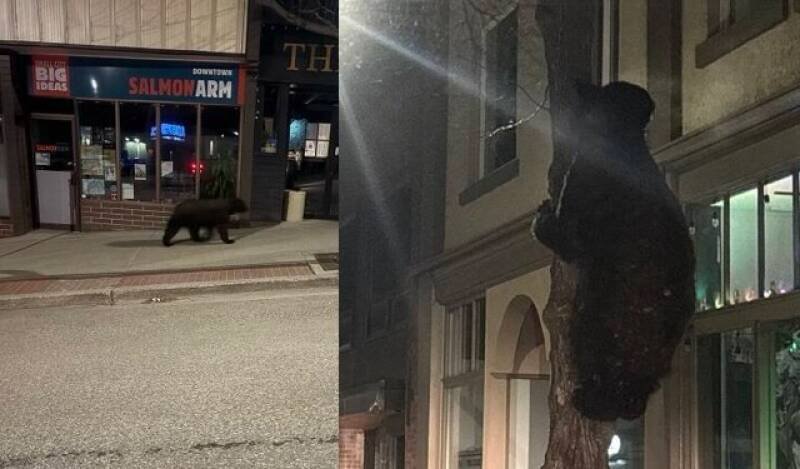



A black bear was photographed in downtown Salmon Arm! Learn why this sighting is significant, our analysis, and what it means for the future of human-wildlife interaction in the area.
Imagine taking a late-night stroll and encountering a bear! That's exactly what Salmon Arm RCMP officers experienced during a routine patrol on March 28th. They captured photos of a black bear roaming through the downtown core, marking an unusual encounter in the heart of the city. The photos released by the RCMP show the bear walking around and even climbing a tree on Lakeshore Drive.
The photos reveal a seemingly calm bear, but its presence raises important questions about why it ventured into the downtown area. Black bears are typically found in forested areas, seeking food and shelter. So, what drew this particular bear to the lights and activity of downtown Salmon Arm?
This incident highlights the increasing intersection between human development and wildlife habitats. As cities and towns expand, they often encroach upon areas traditionally inhabited by animals, leading to more frequent encounters. This bear sighting serves as a reminder of the importance of responsible development and proactive measures to mitigate potential conflicts.
Beyond immediate safety concerns, this event raises broader questions about the health of the local bear population. Is the bear struggling to find food in its natural habitat? Is it habituated to human food sources, making it more likely to enter populated areas? These are critical questions that wildlife experts need to investigate.
In our opinion, this bear sighting is a symptom of a larger problem: habitat loss and fragmentation. As forested areas shrink and become disconnected, animals like black bears are forced to venture into more populated areas in search of food and territory.
Another factor to consider is the availability of attractants in urban areas. Improperly stored garbage, accessible compost bins, and even fruit trees can entice bears into towns and cities. While we don't know what drew this bear in particular, managing attractants is crucial for preventing future encounters.
This event underscores the need for a comprehensive approach to managing human-wildlife interactions in Salmon Arm. This could impact the local conservation efforts and community awareness. We believe that a multi-faceted strategy involving habitat protection, attractant management, and public education is essential.
Ultimately, the future of human-wildlife coexistence in Salmon Arm depends on our willingness to take proactive measures to protect bears and minimize potential conflicts. The late-night bear sighting serves as a stark reminder of the importance of responsible stewardship and a commitment to creating a community where both humans and wildlife can thrive.
























