NCAA Targeting Rule Change: What It Means for College Football
The NCAA is softening its targeting rule penalty in college football. Learn what's changing, why it matters, and what the future holds for player safety.




The NCAA is softening its targeting rule penalty in college football. Learn what's changing, why it matters, and what the future holds for player safety.
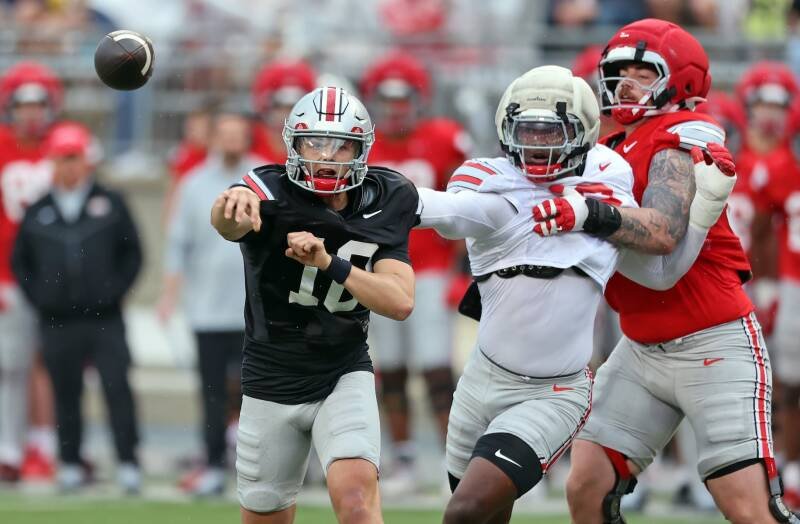
Starting in the 2026 season, the automatic suspension of a player for the *subsequent* game is being dialed back for certain types of targeting fouls. Previously, any player ejected for targeting was automatically suspended for the first half of their team's next game. The revised rule means that for some targeting fouls, a player won't necessarily be suspended for the next game.
Before this change, the targeting rule was strict. Any player flagged for targeting was immediately ejected from the game. A review followed to confirm the penalty. If confirmed, the player was also suspended for the first half of their team's next game. The intention was clear: to deter dangerous hits and prioritize player safety. However, it often led to situations where players were ejected and suspended for plays that, while meeting the technical definition of targeting, didn't seem intentionally malicious or excessively dangerous.
The new rule, to be implemented in 2026, introduces nuance. The specific details of which targeting fouls will trigger the automatic suspension are still being refined. It seems likely that the harshest penalties will still be applied for hits deemed egregious or intentional. However, for less severe cases, the review process might lead to ejection without the automatic next-game suspension.
This change is significant for several reasons:
In our opinion, this change is a complex one with both potential benefits and drawbacks. On one hand, it addresses the criticism that the targeting rule was too harsh, especially in cases where the intent was not malicious. It also acknowledges the difficulty officials face in making split-second decisions in a fast-paced game.
However, this change could also be interpreted as a weakening of the NCAA's commitment to player safety. Some fear that reducing the severity of the penalty could lead to an increase in dangerous hits. The key will be how the NCAA defines "less severe" targeting fouls and how consistently officials enforce the rule. It is vital to ensure that the rule change doesn't inadvertently make players more hesitant to prioritize safety and avoid head contact.
The fact that this change isn't being implemented until 2026 suggests the NCAA wants time to observe the effects of current enforcement and potentially make further adjustments before the new rule takes effect. This cautious approach seems prudent.
The future of the targeting rule remains uncertain. Several factors will influence its evolution:
This could impact player behavior, as the reduction in immediate consequences might create a different risk assessment during gameplay. In the long run, we anticipate the NCAA will continue to refine the targeting rule in an effort to strike a better balance between player safety and the integrity of the game. The 2026 season will be a crucial test for this new approach, and it’s highly likely further adjustments will be made based on its practical application and consequences.